Post by : Saif Nasser
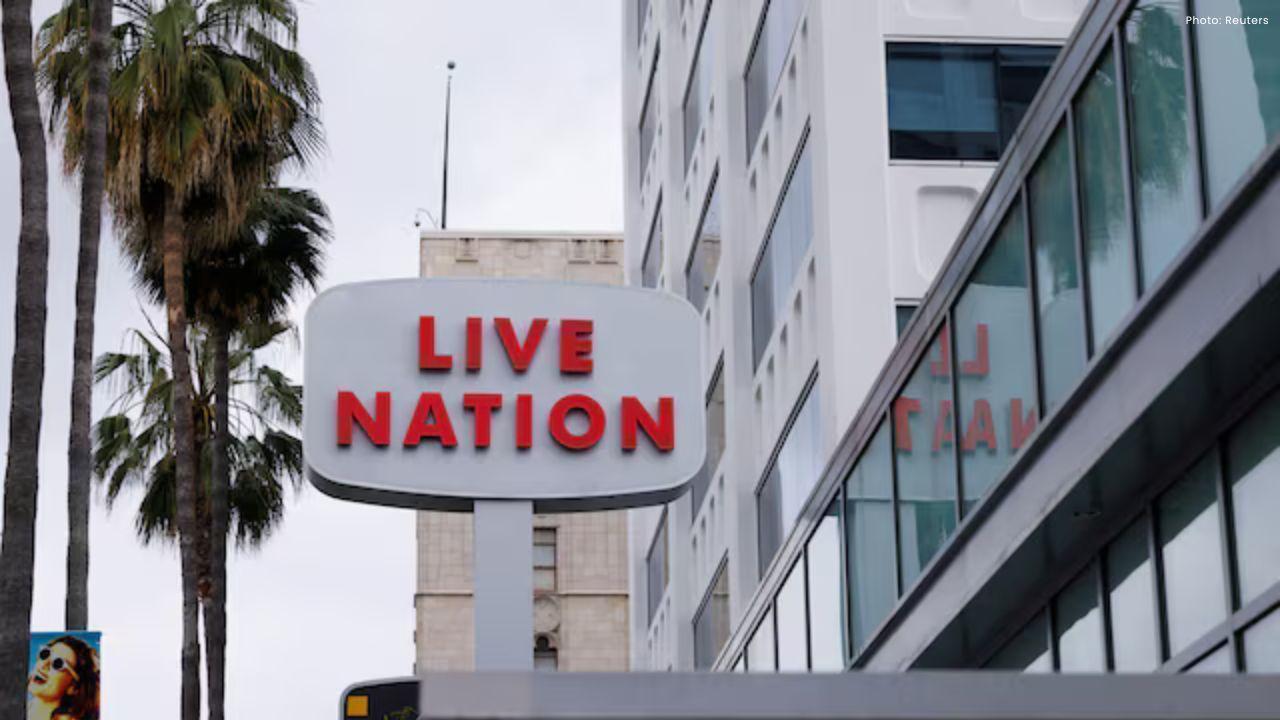
Live Nation Entertainment, the world’s largest concert promoter and owner of the ticketing platform Ticketmaster, is reportedly close to reaching a settlement in a major antitrust lawsuit in the United States. The case has attracted wide attention because it challenges the company’s powerful position in the live entertainment and ticketing industry.
The lawsuit was filed by the U.S. Department of Justice along with several state governments. Officials accuse Live Nation of using its strong market position to limit competition in the concert business and control the way tickets are sold.
Recent reports suggest that both sides are discussing a possible settlement as the court trial continues. If an agreement is reached, it could end one of the most significant legal battles in the modern entertainment industry.
Live Nation became a dominant force in the music business after it merged with Ticketmaster in 2010. The merger brought together two major parts of the industry: concert promotion and ticket sales. Since then, the company has managed concert tours, operated venues, and sold tickets for many of the world’s biggest music events.
Government officials argue that this structure gives the company too much influence over the live music market. According to the lawsuit, Live Nation controls several key steps in the concert business, including organizing tours, managing venues, and selling tickets.
Regulators say this level of control can make it difficult for competitors to enter the market. Some venue owners have claimed they felt pressured to use Ticketmaster’s ticketing services if they wanted to host concerts promoted by Live Nation.
The Justice Department believes this system may reduce competition and could lead to higher ticket prices for consumers. The lawsuit aims to examine whether the company used unfair practices to maintain its dominance in the industry.
Live Nation has denied these accusations. The company says the live entertainment market remains competitive and that many different promoters, venues, and ticket sellers operate across the industry.
Company leaders argue that ticket prices are mostly determined by the popularity of artists, production costs, and market demand rather than by ticketing platforms alone.
The trial began earlier this year in a federal court and is expected to involve testimony from industry executives, venue managers, and legal experts. The case could continue for several weeks if a settlement is not reached.
Reports indicate that negotiations between the company and government officials have intensified as the trial progresses. Some sources suggest that the potential settlement may focus on changes in business practices rather than forcing Live Nation to sell Ticketmaster.
Earlier discussions had raised the possibility that regulators might require the company to separate from Ticketmaster in order to restore competition. However, recent reports suggest that a breakup of the company may not be part of the final agreement.
The case comes after years of criticism of the ticketing industry, particularly from music fans who have complained about high ticket prices and service fees. Ticketmaster has often been at the center of these complaints because of its large role in selling tickets for major concerts.
Public attention on the issue increased significantly during the ticket sales for Taylor Swift’s “Eras Tour” in 2022. High demand and technical problems during ticket sales caused frustration among fans and led to government hearings on ticketing practices.
Lawmakers and regulators began examining whether large companies in the entertainment industry had gained too much power over the ticketing market.
The outcome of the Live Nation case could influence how the music business operates in the future. If regulators succeed in forcing changes to the company’s practices, it could open the door for more competition among ticket sellers and concert promoters.
On the other hand, if the company reaches a settlement that allows it to continue operating largely as it does today, the structure of the industry may remain mostly unchanged.
Live music has become one of the most important sources of income for artists and performers. As streaming services reduced profits from recorded music, concerts and tours have grown into a major part of the global entertainment economy.
Live Nation plays a central role in this market. The company organizes thousands of concerts each year and works with many of the world’s most popular performers.
Because of this influence, the legal battle has been closely watched by artists, venue owners, and music fans.
If a settlement is reached soon, it could bring an end to the case without a long court fight. However, the terms of any agreement will likely shape the future of concert ticketing and the live entertainment business for years to come.
The case highlights a broader global debate about the power of large companies and the need to ensure fair competition in modern industries.









Price Increase for Sony PS5 in Southeast Asia Effective May 1
Sony announces a price increase for the PS5 across Southeast Asia starting May 1, 2026, impacting ga

Potential ‘Super El Niño’ in 2026: Understanding the Climate Risks
Could a Super El Niño emerge in 2026? Discover its implications and potential global climate impacts

Global Energy Crisis Intensifies: Markets React to Oil Supply Challenges
Markets are on edge as oil disruptions escalate, influencing prices and economic stability. Explore

Must-See Tourist Spots in London You Can't Overlook
Explore London's essential attractions, from royal landmarks to vibrant markets, ensuring an unforge

Ultimate Guide to Snagging Cheap Flights in 2026
Unlock the secrets to booking affordable flights in 2026 with insightful tips and strategies tailore

The Impact of Consistent Small Investments on Wealth Building
Discover how investing small amounts regularly can positively transform your financial future over t




