Post by : Saif Nasser
Germany’s industrial sector faced an unexpected setback at the start of the year as new data showed a drop in factory production in January. The decline surprised economists and raised new questions about the strength of Europe’s largest economy.
According to official figures from Germany’s federal statistics office, industrial production fell by 0.5% in January compared with the previous month. This result came as a surprise because analysts had predicted a 1.0% increase in output.
Germany is known as Europe’s biggest industrial economy. Its factories produce cars, machinery, chemicals, electronics, and many other products that are exported across the world. Because of this, changes in German industrial production often affect the wider European economy.
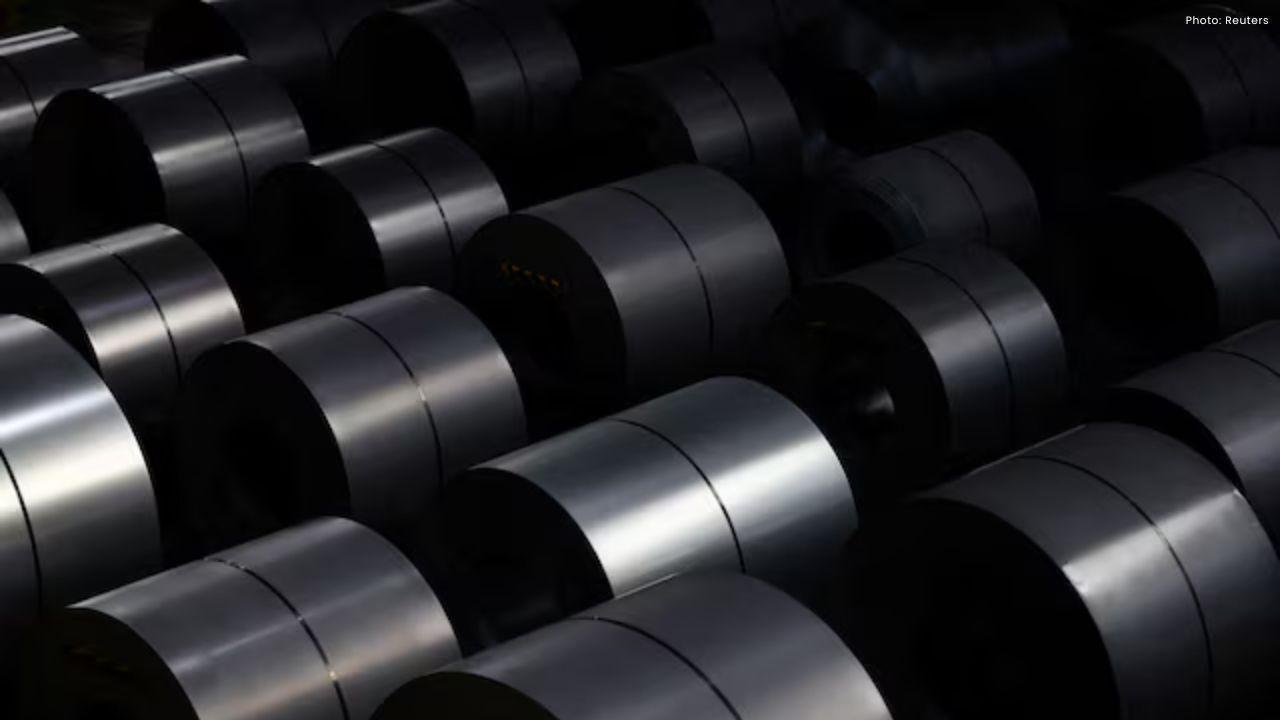
The latest data shows that the manufacturing sector is still facing challenges. A major reason for the drop in January was weaker production in several important industries. Output in fabricated metal products, excluding machinery and equipment, fell sharply by 12.4%, which had a strong impact on overall industrial performance.
Production also declined in industries such as pharmaceuticals and in the computer, electronic, and optical products sectors. These industries normally play a key role in Germany’s manufacturing strength. When activity slows in these areas, it can quickly affect the country’s overall industrial output.
The fall in January followed another difficult month for German industry. In December, industrial production had already dropped sharply, showing that the sector is struggling to regain strong momentum after a period of global economic uncertainty.
Germany’s economy depends heavily on manufacturing and exports. The country is one of the world’s leading exporters of industrial products, including vehicles, machinery, and industrial equipment. Because of this strong connection to global trade, any slowdown in international demand can affect German factories.
Economic experts say several factors are putting pressure on the country’s industrial sector. Rising energy costs, global political tensions, and weaker international demand have made the situation more complicated for manufacturers. These challenges have made it harder for factories to maintain strong growth.
In recent years, Germany’s economy has faced several structural challenges. High energy prices, global supply chain disruptions, and increased competition from other countries have all affected the country’s traditional industrial strengths.
Another challenge is the transition toward cleaner energy and new technologies. Many companies are investing heavily in electric vehicles, renewable energy systems, and digital production technologies. While these changes are important for the future, they also require time and large investments, which can temporarily slow industrial growth.
Despite the weak start to the year, some economists believe there are still reasons for cautious optimism. Recent business surveys have suggested that parts of the manufacturing sector may slowly recover as demand improves and investment increases.
For example, some indicators show that factory activity in Europe has begun to stabilize after a long period of weakness. Government spending on infrastructure and defense, along with investments in new technologies, could also support industrial growth in the coming years.
Still, the unexpected drop in January production shows that Germany’s economic recovery remains fragile. Policymakers and business leaders will be watching upcoming economic data closely to see whether the decline is temporary or a sign of deeper problems.
For the European economy, the performance of German industry is especially important. When Germany’s factories grow, they create demand for suppliers, workers, and businesses across the region. But when production slows, the impact can be felt across many sectors.
The latest figures therefore serve as an important reminder that Europe’s economic recovery still faces challenges. While there are signs of improvement in some areas, the industrial sector must overcome several obstacles before growth becomes stable again.










DAE Achieves Remarkable Growth in Q1 2026 With Record Revenue
Dubai Aerospace Enterprise announces impressive financial results for Q1 2026, reflecting a surge in

Price Increase for Sony PS5 in Southeast Asia Effective May 1
Sony announces a price increase for the PS5 across Southeast Asia starting May 1, 2026, impacting ga

Potential ‘Super El Niño’ in 2026: Understanding the Climate Risks
Could a Super El Niño emerge in 2026? Discover its implications and potential global climate impacts

Global Energy Crisis Intensifies: Markets React to Oil Supply Challenges
Markets are on edge as oil disruptions escalate, influencing prices and economic stability. Explore

Must-See Tourist Spots in London You Can't Overlook
Explore London's essential attractions, from royal landmarks to vibrant markets, ensuring an unforge

Ultimate Guide to Snagging Cheap Flights in 2026
Unlock the secrets to booking affordable flights in 2026 with insightful tips and strategies tailore




