Post by : Saif Nasser
Global drugmakers Eli Lilly and Novo Nordisk are locked in a growing battle to dominate India’s fast-expanding market for obesity medicines. With millions of potential patients and cheaper generic drugs expected to arrive next year, both companies are moving quickly to secure their position in one of the world’s most promising healthcare markets.
India is expected to have the second-largest overweight or obese population in the world by 2050. Although obesity drugs are still expensive and mostly paid for by patients themselves, demand is rising rapidly. Analysts believe the Indian obesity drug market could grow beyond $1 billion within the next two years, making it a key focus for global pharmaceutical firms.
Lilly currently holds an advantage because it launched its drug Mounjaro earlier than Novo Nordisk introduced Wegovy. Mounjaro, approved in India for both diabetes and weight loss, quickly became the top-selling obesity drug by value within months of its launch. Doctors say its early entry and strong results in weight reduction have helped it gain popularity among patients.
Novo Nordisk, however, has responded aggressively. The company cut prices on Wegovy by up to 37% in November to improve access and compete with Lilly. It also launched its diabetes drug Ozempic in India at a lower monthly price. Novo’s India head said the company realised early that affordability was key in a price-sensitive market like India.
The competition is expected to intensify further in March 2026, when patents on semaglutide, the active ingredient in Wegovy and Ozempic, expire. More than 20 Indian drugmakers plan to launch cheaper generic versions, which analysts say could cost up to 60% less. This poses a greater challenge for Novo, while Lilly benefits from longer patent protection for its drug Mounjaro, which extends well into the next decade.
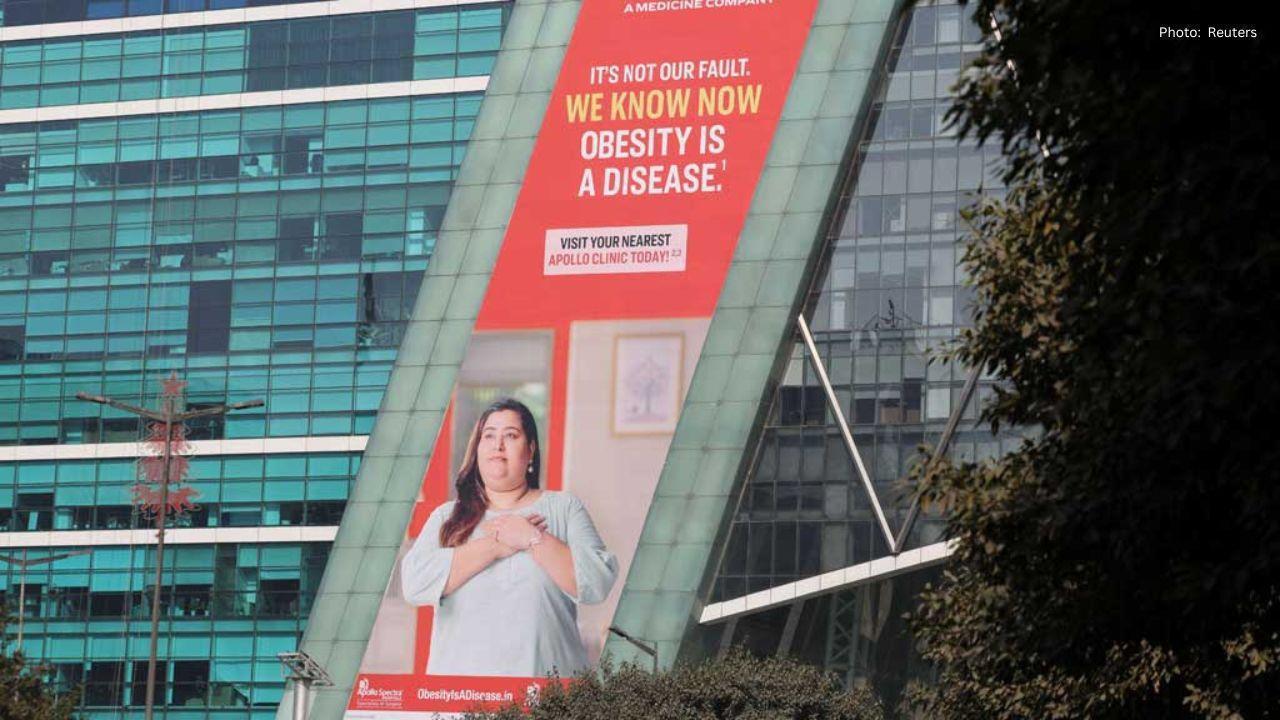
Beyond pricing, both companies are working hard to expand their reach. Lilly has partnered with Cipla to launch a second version of its drug aimed at smaller towns and has tied up with Apollo Hospitals to raise awareness about obesity and diabetes. The company is also investing heavily in manufacturing facilities in India.
Novo Nordisk has taken similar steps by partnering with Emcure Pharmaceuticals and launching a second semaglutide brand to widen distribution. It has also teamed up with digital health platforms and hospitals to offer patient support and promote awareness.
Since direct advertising of prescription drugs is banned in India, both companies are running large public campaigns to educate people about obesity as a disease. Through billboards, newspaper ads, and wellness clinics, they are encouraging patients to seek medical advice rather than treat obesity as a lifestyle issue alone.
As interest in weight-loss treatments spreads beyond major cities to smaller towns and middle-class families, the fight between Lilly and Novo is becoming more intense. The outcome of this competition will shape how obesity is treated in India and how affordable these life-changing medicines become in the years ahead.








Mattel Revives Masters of the Universe Action Figures Ahead of Film Launch
Mattel is reintroducing Masters of the Universe figures in line with its upcoming film, tapping into

China Executes 11 Members of Criminal Clan Linked to Myanmar Scam
China has executed 11 criminals associated with the Ming family, known for major scams and human tra

US Issues Alarm to Iran as Military Forces Deploy in Gulf Region
With a significant military presence in the Gulf, Trump urges Iran to negotiate a nuclear deal or fa

Copper Prices Reach Unprecedented Highs Amid Geopolitical Turmoil
Copper prices soar to all-time highs as geopolitical tensions and a weakening dollar boost investor

New Zealand Secures First Win Against India, Triumph by 50 Runs
New Zealand won the 4th T20I against India by 50 runs in Vizag. Despite Dube's impressive 65, India