Post by : Saif Nasser
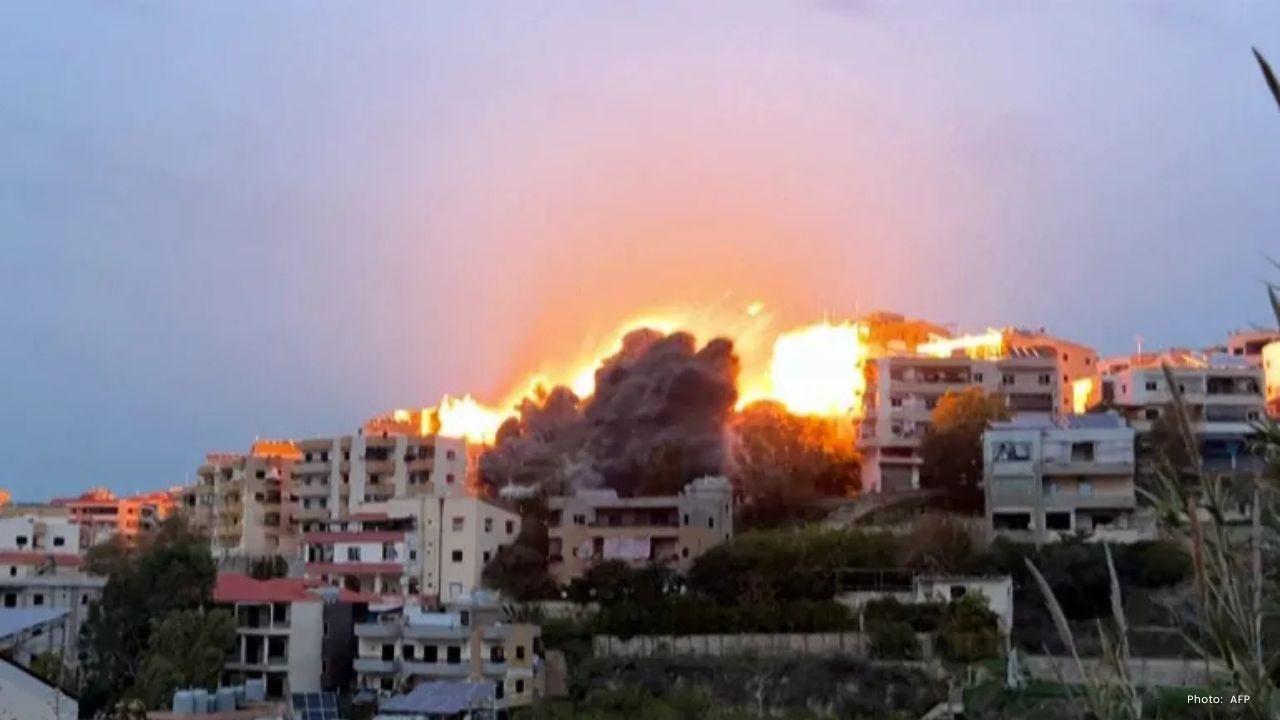
One year has passed since the ceasefire between Israel and Hezbollah was announced, but for tens of thousands of people in southern Lebanon, peace still feels very far away. More than 64,000 Lebanese remain displaced, unable to return to their homes due to destruction, fear, and ongoing security concerns.
The ceasefire was meant to end months of intense fighting along the Lebanon–Israel border. Villages were heavily damaged, homes were destroyed, and entire communities were forced to flee. The agreement raised hopes that families could soon return and begin rebuilding their lives.
However, the situation on the ground has not improved enough to make that possible for many. Large parts of southern Lebanon remain unsafe. Some areas still have unexploded weapons left behind from the fighting, while others face continued military activity and tension. Residents say they do not feel protected enough to return permanently.
Many displaced families are living in rented rooms, with relatives, or in temporary shelters. Life in displacement is difficult. People struggle to find steady work, children face disruptions in education, and families rely heavily on aid. The emotional toll is also heavy, as many are unsure if they will ever be able to return to their original homes.
Several villages near the border were almost completely destroyed. Homes, schools, roads, and farms were badly damaged. For farmers, the loss is even greater because their land, which once supported their families, is no longer usable. Without proper rebuilding and safety guarantees, returning makes little sense for them.
Financial help for reconstruction has been limited. While some assistance has reached affected areas, it is often not enough to fully repair damaged homes. Lebanon’s ongoing economic crisis has made the situation worse. With high inflation and weak government finances, rebuilding efforts are slow and uneven.
Displaced residents also speak about fear. Even after the ceasefire, there have been reports of strikes and clashes. This uncertainty makes families hesitate. Parents do not want to raise their children in areas where violence could return at any moment.
Humanitarian groups warn that displacement could become long-term if conditions do not change. They stress the need for real security, faster rebuilding, and stronger support for affected communities. Without these steps, thousands of people may remain stuck in temporary living conditions for years.
The situation in southern Lebanon shows that ending fighting on paper does not always bring real peace to people’s lives. A ceasefire may stop large battles, but true recovery takes time, safety, and support. For now, many Lebanese families are still waiting, hoping that one day they can finally go home.









DAE Achieves Remarkable Growth in Q1 2026 With Record Revenue
Dubai Aerospace Enterprise announces impressive financial results for Q1 2026, reflecting a surge in

Price Increase for Sony PS5 in Southeast Asia Effective May 1
Sony announces a price increase for the PS5 across Southeast Asia starting May 1, 2026, impacting ga

Potential ‘Super El Niño’ in 2026: Understanding the Climate Risks
Could a Super El Niño emerge in 2026? Discover its implications and potential global climate impacts

Global Energy Crisis Intensifies: Markets React to Oil Supply Challenges
Markets are on edge as oil disruptions escalate, influencing prices and economic stability. Explore

Must-See Tourist Spots in London You Can't Overlook
Explore London's essential attractions, from royal landmarks to vibrant markets, ensuring an unforge

Ultimate Guide to Snagging Cheap Flights in 2026
Unlock the secrets to booking affordable flights in 2026 with insightful tips and strategies tailore




