Post by : Saif Nasser
India and the United States have moved a step closer to a new trade agreement. Both countries have released an interim framework that sets the direction for a wider deal in the future. The plan talks about lower tariffs, stronger energy ties, and deeper business cooperation. Leaders say the goal is to build more reliable global supply chains and increase two-way trade.
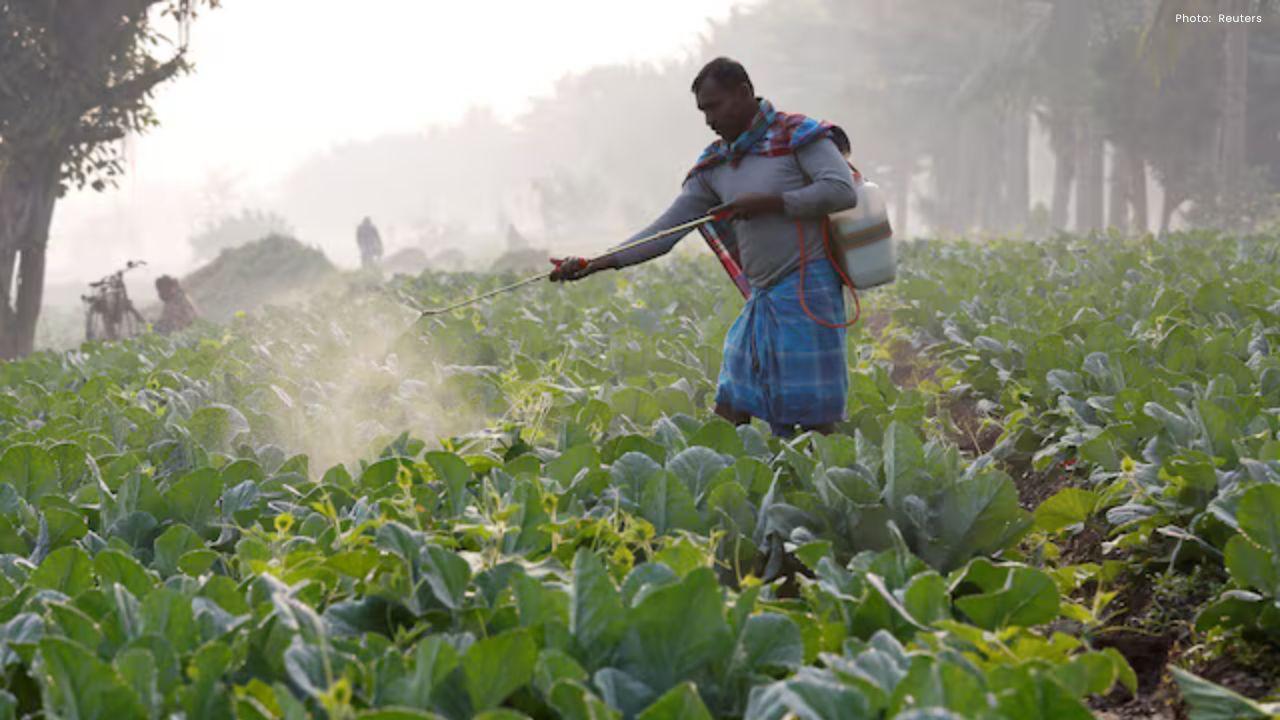
But while the agreement promises economic benefits, it has also started a serious debate in India — especially among farmers. Agriculture is not just another sector in India. It supports millions of families and shapes rural life. Even small changes in import and export rules can affect incomes across villages. That is why the farm part of the trade framework is getting close attention.
India has not fully opened its farm markets, and reports suggest Indian negotiators resisted pressure to do so. Even then, New Delhi has agreed to lower trade barriers on some farm goods from the United States. This has led to criticism from farmer groups and opposition parties, who fear cheaper imports could hurt local producers.
One of the biggest discussion points is India’s expected approval of imports of DDGS — distillers dried grains with solubles. This is a protein-rich byproduct made during ethanol production, mainly from corn. It is widely used as animal feed. The United States produces large amounts of DDGS and wants to sell more to India.
Higher DDGS imports could help India’s poultry industry. Feed is the biggest cost for poultry farmers, often making up 60 to 70 percent of their total expenses. If feed becomes cheaper, poultry producers may earn more and keep chicken and egg prices stable for consumers. That is clearly a benefit for that sector.
However, the same move may hurt Indian oilseed farmers and processors. India already has extra DDGS supply in the local market. More imports could reduce demand for oilmeals such as soyameal, which are also used in animal feed. When demand falls, prices fall. That puts pressure on soybean and peanut farmers. Some may switch crops, which can disturb the government’s long-term plan to increase oilseed production and reduce edible oil imports.
There is also a side effect for ethanol producers. Many Indian ethanol plants earn part of their income by selling DDGS. If imported DDGS floods the market and prices drop, their earnings may shrink. This comes at a time when the ethanol sector is already facing slower demand after India reached its 20% fuel blending target.
Another concern is edible oil, especially soyoil. There were fears that the deal would allow duty-free imports from the United States. Under the current framework, however, duty-free soyoil imports would be allowed only up to a fixed quota. Imports above that level would still face normal duties. This quota system is designed to give limited access while protecting Indian producers from a sudden price crash.
Cotton is also part of the discussion. India now charges an 11% duty on cotton imports. The new framework allows some duty-free imports, but only for extra-long staple cotton and only under a quota. This type of cotton is needed by the textile industry and is already imported because India does not produce enough of it. Since the rule is narrow and limited, the effect on most Indian cotton farmers may be small.
Fruits and dry fruits show a mixed picture. India produces a large number of apples but still imports a lot to meet rising demand. Under the trade framework, U.S. apples would get a lower duty rate but also face a minimum import price. This price floor is meant to stop very cheap imports from undercutting Indian growers. Dry fruits such as almonds and walnuts are already heavily imported because local production is limited. Lower duties here are unlikely to hurt many Indian farmers.
On the positive side, several Indian farm export sectors could gain. The United States is offering duty-free access for Indian tea, coffee, spices, and fruits. That gives Indian growers and exporters a better chance in a large and high-value market. Rice exporters may also benefit from lower duties, which could support both basmati and non-basmati rice shipments.
From an editorial point of view, the trade framework is neither fully good nor fully bad for Indian agriculture. It is a balancing act. Some sectors will gain from cheaper inputs and better export access. Others may face new competition and price pressure. The real impact will depend on how quotas are set, how strictly rules are applied, and how quickly support reaches affected farmers.
Trade deals should not be judged only by total export numbers. They must also be judged by how they affect small producers. If one group gains while another group suffers badly, the government must step in with safeguards, price support, or transition help.
India and the U.S. both want stronger economic ties. That goal is reasonable. But for India, protecting farmer income and rural stability must remain a top priority as the deal moves from framework to final agreement.








Anticipated Dates for UAE Eid Al Adha 2026 Unveiled by Astronomical Experts
Experts predict Eid Al Adha 2026 in the UAE to start on May 27, prompting early holiday planning amo

DAE Achieves Remarkable Growth in Q1 2026 With Record Revenue
Dubai Aerospace Enterprise announces impressive financial results for Q1 2026, reflecting a surge in

Price Increase for Sony PS5 in Southeast Asia Effective May 1
Sony announces a price increase for the PS5 across Southeast Asia starting May 1, 2026, impacting ga

Potential ‘Super El Niño’ in 2026: Understanding the Climate Risks
Could a Super El Niño emerge in 2026? Discover its implications and potential global climate impacts

Global Energy Crisis Intensifies: Markets React to Oil Supply Challenges
Markets are on edge as oil disruptions escalate, influencing prices and economic stability. Explore

Must-See Tourist Spots in London You Can't Overlook
Explore London's essential attractions, from royal landmarks to vibrant markets, ensuring an unforge




