Post by : Saif Nasser
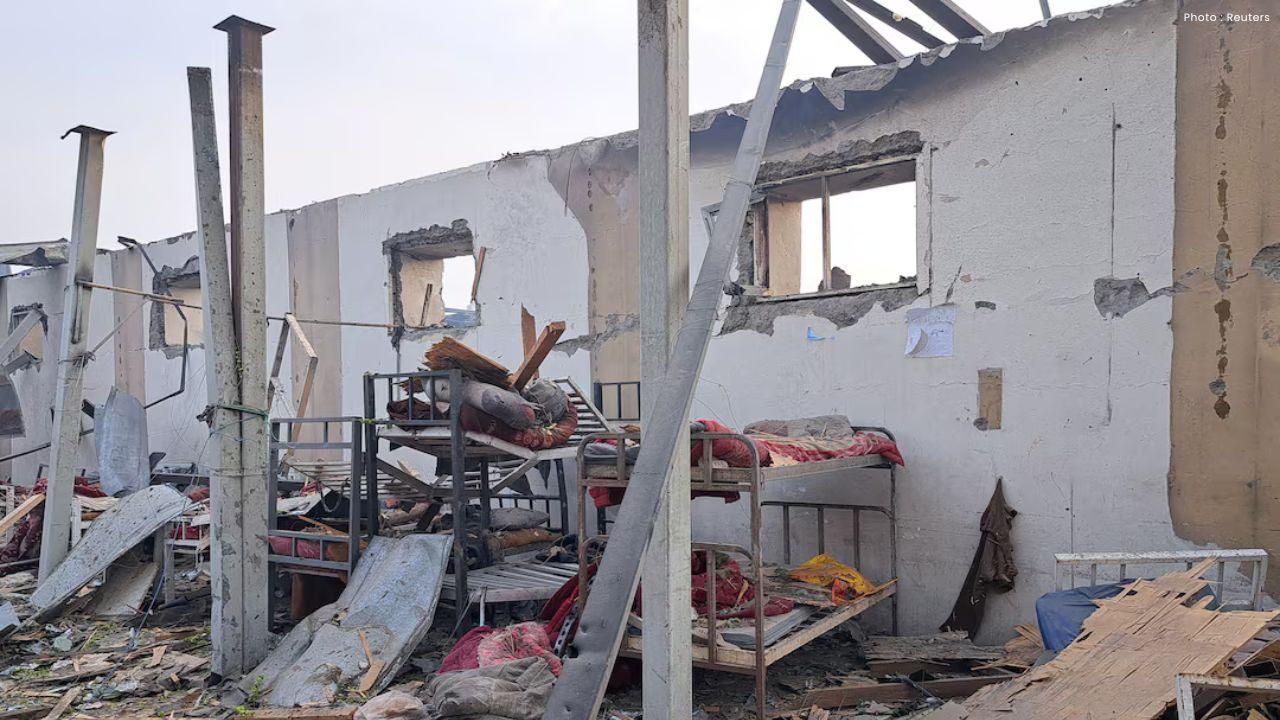
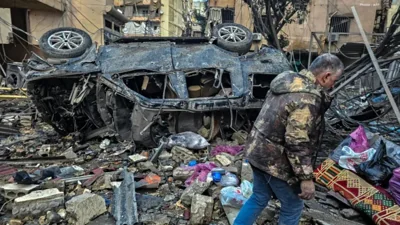
A deadly airstrike in Kabul has sharply increased tensions between Afghanistan and Pakistan, raising serious concerns about civilian safety and the risk of a wider conflict. According to officials from the Afghan Taliban, at least 400 people were killed and around 250 injured after a strike hit a drug rehabilitation hospital in the Afghan capital.
The Taliban described the attack as one of the deadliest incidents in recent months. They said the hospital, which was treating hundreds of vulnerable patients, was destroyed in the strike. Witnesses reported scenes of fire, smoke, and widespread destruction, with emergency teams struggling to rescue survivors from the rubble.
However, Pakistan has strongly denied targeting any civilian site. Officials in Islamabad said their military carried out precise strikes aimed only at militant bases and infrastructure linked to terrorism. They called the Taliban’s claims “false and misleading,” adding that their actions were focused on protecting national security.
This sharp difference in claims has made it difficult to confirm the exact details of what happened. Still, the scale of reported casualties has shocked the international community and increased calls for an independent investigation.
The incident comes at a time when relations between Afghanistan and Pakistan are already at a breaking point. The two countries have been involved in repeated clashes along their shared border in recent weeks. Each side has accused the other of supporting militant groups that carry out attacks across the border.
Pakistan has long blamed the Afghan Taliban for allowing groups like the Pakistani Taliban to operate from Afghan territory. On the other hand, Afghanistan has rejected these accusations and has accused Pakistan of carrying out aggressive military actions inside its borders.
The conflict has now grown into what many observers describe as one of the most serious crises between the two neighbors in years. Airstrikes, border clashes, and rising political tensions have created a dangerous situation that could easily spiral further.
The Kabul strike has added a strong humanitarian dimension to this conflict. If the Taliban’s claims are accurate, the attack on a medical facility raises serious questions about the protection of civilians during military operations. Hospitals are meant to be safe places, even during war, and any attack on such sites is seen as a major violation of international norms.
Global organizations, including the United Nations, have called for calm and urged both sides to avoid further escalation. There are growing demands for both countries to return to dialogue and find a peaceful solution before the situation worsens.
From an editorial point of view, this tragedy highlights the human cost of conflict. Behind the numbers are real people—patients, workers, and families—whose lives have been lost or changed forever. When violence reaches hospitals and civilian areas, it shows how deeply a conflict has spread.
It also raises questions about accountability. In modern warfare, advanced technology is often used to carry out precise strikes. Yet incidents like this show that mistakes, misjudgments, or disputed claims can still lead to heavy civilian losses.
Another important issue is the growing mistrust between the two countries. When both sides strongly deny each other’s claims, it becomes harder to find common ground. Without trust, peace talks become more difficult, and the chances of further violence increase.
The situation also has wider regional importance. Afghanistan and Pakistan share a long and sensitive border, and instability in one country can quickly affect the other. Continued conflict could lead to more displacement, economic disruption, and security risks across the region.
In the long term, this crisis shows the urgent need for better conflict management and stronger communication between neighboring countries. Military action may bring short-term results, but it often creates long-term problems that are much harder to solve.
The Kabul airstrike has become a symbol of how dangerous the current situation has become. With both sides holding firm to their positions, the path forward remains uncertain. What is clear, however, is that without restraint and dialogue, the cost of this conflict will continue to rise.





Mattel Revives Masters of the Universe Action Figures Ahead of Film Launch
Mattel is reintroducing Masters of the Universe figures in line with its upcoming film, tapping into

China Executes 11 Members of Criminal Clan Linked to Myanmar Scam
China has executed 11 criminals associated with the Ming family, known for major scams and human tra
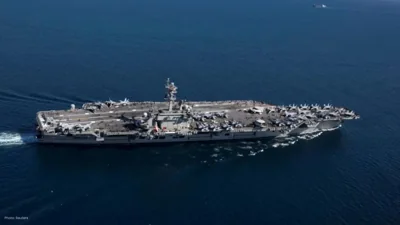
US Issues Alarm to Iran as Military Forces Deploy in Gulf Region
With a significant military presence in the Gulf, Trump urges Iran to negotiate a nuclear deal or fa

Copper Prices Reach Unprecedented Highs Amid Geopolitical Turmoil
Copper prices soar to all-time highs as geopolitical tensions and a weakening dollar boost investor

New Zealand Secures First Win Against India, Triumph by 50 Runs
New Zealand won the 4th T20I against India by 50 runs in Vizag. Despite Dube's impressive 65, India