Post by : Saif Nasser
The conflict in the Middle East has taken a dangerous turn as fighting between Iran and forces linked to the United States and Israel continues to spread across the region. The situation has become more serious with new attacks, rising pressure on global oil routes, and growing concern among countries around the world.
Recent events show how wide the conflict has become. Explosions were heard in Dubai as the United Arab Emirates briefly closed its airspace after facing incoming missiles and drones. The country later reopened its skies once the situation became stable, but the incident shows how even countries not directly involved in the war are now facing risks.
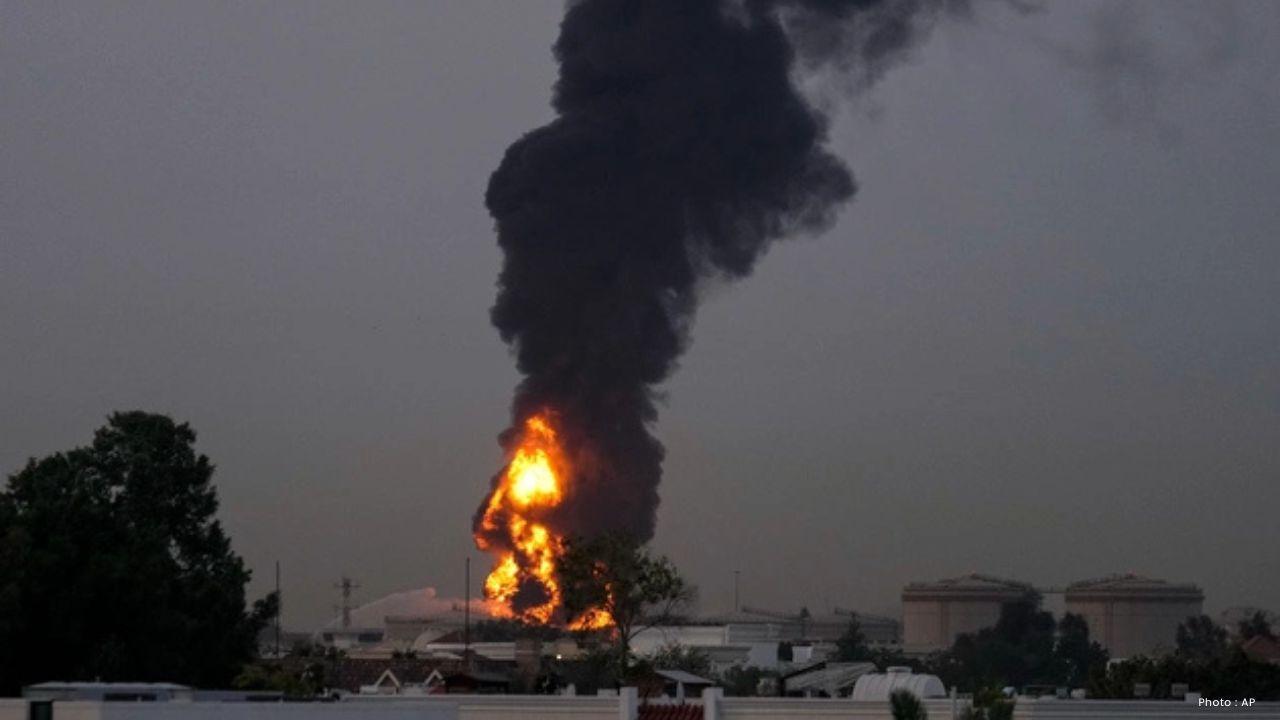
Iran has been launching drones and missiles not only at Israel but also at American bases and energy facilities in Gulf countries. These attacks have increased fear and uncertainty in the region. Oil facilities and airports have been targeted, and in some cases, fires and damage have been reported. A missile strike even killed one person in the UAE, showing the human cost of the conflict.
At the center of the political debate is Donald Trump, who has been urging other countries to join efforts to protect the Strait of Hormuz. This waterway is one of the most important routes for global oil supply. A large part of the world’s oil passes through it, making it critical for the global economy.
Trump has asked around seven countries to send warships to help keep the strait open. However, so far, there has been little response. Many countries have not made clear commitments, which has caused frustration in Washington.
This lack of support highlights a growing divide between the United States and its allies. While the U.S. sees the situation as urgent, other countries appear cautious about getting directly involved in a conflict that could grow even larger.
Meanwhile, the war itself continues to expand. Since the fighting began in late February, Iran has repeatedly carried out attacks across the region. At the same time, U.S. and Israeli strikes have targeted Iranian military sites. The conflict has already caused serious damage, including destruction of buildings and infrastructure inside Iran.
The situation in Iraq has also become tense. Iran-backed groups have launched attacks on U.S. facilities there, showing how the conflict is spreading beyond its original borders. This raises fears that more countries could be pulled into the fighting if tensions continue to rise.
From an editorial point of view, this crisis shows how quickly regional conflicts can turn into global concerns. What started as a military clash is now affecting air travel, oil supply, and international relations. Countries far from the battlefield are still feeling the impact.
The Strait of Hormuz has become a key point in this conflict. If it is blocked or becomes unsafe, oil prices could rise sharply, affecting everyday people around the world. Higher fuel costs can lead to more expensive goods and services, making life harder for many families.
Another important issue is the growing gap between the United States and its allies. In past conflicts, Western countries often acted together. Now, there are signs of hesitation and disagreement. This could weaken joint efforts and make it harder to manage global crises.
The conflict also raises questions about long-term stability in the Middle East. Continuous attacks and counterattacks increase the risk of a wider war. Civilian safety, economic stability, and diplomatic relations are all under pressure.
At the same time, Iran has shown that it can still respond strongly despite ongoing strikes. Its ability to carry out attacks across the region suggests that the conflict may not end quickly. Instead, it could continue for a longer time, with more risks ahead.
In conclusion, the current situation is a serious warning about how fragile global peace can be. The fighting between Iran and U.S.-linked forces is no longer limited to one area. It is spreading, affecting many countries, and raising fears of a larger crisis. The coming days will be important as world leaders decide whether to step in, stay out, or try to find a path toward peace.









DAE Achieves Remarkable Growth in Q1 2026 With Record Revenue
Dubai Aerospace Enterprise announces impressive financial results for Q1 2026, reflecting a surge in

Price Increase for Sony PS5 in Southeast Asia Effective May 1
Sony announces a price increase for the PS5 across Southeast Asia starting May 1, 2026, impacting ga

Potential ‘Super El Niño’ in 2026: Understanding the Climate Risks
Could a Super El Niño emerge in 2026? Discover its implications and potential global climate impacts

Global Energy Crisis Intensifies: Markets React to Oil Supply Challenges
Markets are on edge as oil disruptions escalate, influencing prices and economic stability. Explore

Must-See Tourist Spots in London You Can't Overlook
Explore London's essential attractions, from royal landmarks to vibrant markets, ensuring an unforge

Ultimate Guide to Snagging Cheap Flights in 2026
Unlock the secrets to booking affordable flights in 2026 with insightful tips and strategies tailore




