Post by : Saif Nasser
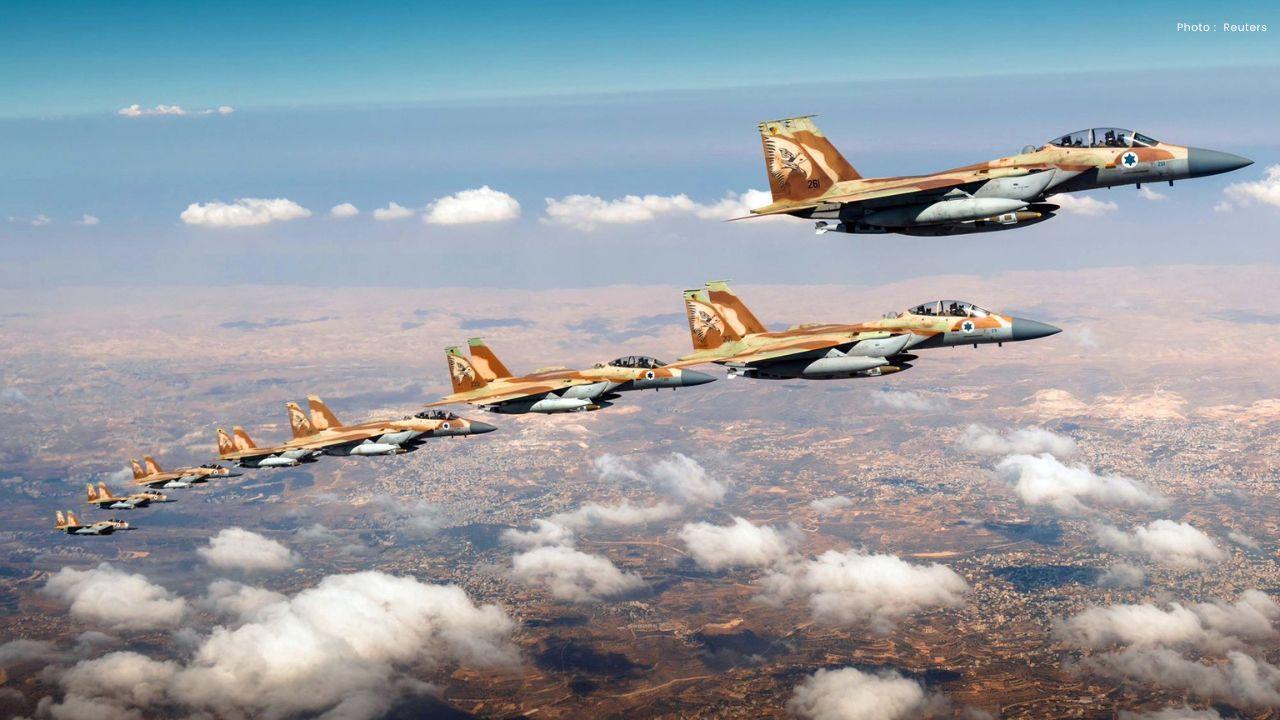
The ongoing war involving the United States, Israel, and Iran has created not only a military crisis but also a growing political divide among global powers. At the center of this situation is the Strait of Hormuz, one of the most important oil routes in the world, which has become unsafe due to the conflict.
US President Donald Trump has strongly criticised several allied countries for refusing to support his request to help secure the Strait of Hormuz. This narrow waterway carries nearly 20 percent of the world’s oil and gas, making it critical for global energy supply.
The crisis began after joint US and Israeli strikes on Iran triggered a strong response from Tehran. Iran has used missiles, drones, and naval mines to disrupt shipping in the region. As a result, many oil tankers have stopped moving through the strait, causing serious concern across the world.
To control the situation, Trump called on allies such as the United Kingdom, Germany, France, Japan, and others to send naval forces to help reopen and protect the route. However, most of these countries either refused or showed hesitation.
Leaders from Europe have explained that they were not consulted before the war began and do not want to get directly involved in a conflict they did not start. Some officials also said that this issue is not linked to NATO and therefore does not require their military participation.
Trump has reacted sharply to this refusal. He argued that countries benefiting from safe oil supply should take responsibility for protecting it. He also warned that failing to support the United States could affect future relations within NATO.
At the same time, the war continues to grow more intense. Airstrikes and missile attacks are happening on both sides, and key infrastructure has been damaged. Reports suggest that more than 2,000 people have already lost their lives since the fighting began.
The economic impact of the crisis is also severe. With the Strait of Hormuz disrupted, global oil prices have increased sharply. This is affecting fuel costs, transportation, and the prices of everyday goods in many countries.
From an editorial point of view, this situation shows how quickly global alliances can be tested during times of conflict. While the United States expects support from its partners, those partners are acting carefully to avoid deeper involvement in a dangerous war.
One major issue is trust. Many allied countries feel that they were not part of the decision-making process before the conflict started. As a result, they are now reluctant to join military efforts that could increase risks for their own nations.
Another important concern is the danger of escalation. Sending more military forces into the region could turn the conflict into a wider war. This is one of the main reasons why several countries are choosing a cautious approach.
The crisis also highlights the importance of the Strait of Hormuz in the global economy. When such a key route is disrupted, the effects are felt everywhere. From rising fuel prices to supply shortages, the impact reaches both rich and developing nations.
At the same time, the situation raises questions about global responsibility. If many countries depend on the same trade route, should they also share the responsibility of protecting it? Or should such efforts be handled by a few powerful nations?
There is also a lesson about planning and preparedness. Countries may need to rethink how they manage energy security and reduce dependence on risky regions. This could include investing more in renewable energy or building stronger reserves.
In conclusion, the disagreement between the United States and its allies over the Strait of Hormuz reflects deeper challenges in global politics. As the war continues and tensions rise, the need for cooperation, dialogue, and careful decision-making becomes more important than ever.








DAE Achieves Remarkable Growth in Q1 2026 With Record Revenue
Dubai Aerospace Enterprise announces impressive financial results for Q1 2026, reflecting a surge in

Price Increase for Sony PS5 in Southeast Asia Effective May 1
Sony announces a price increase for the PS5 across Southeast Asia starting May 1, 2026, impacting ga

Potential ‘Super El Niño’ in 2026: Understanding the Climate Risks
Could a Super El Niño emerge in 2026? Discover its implications and potential global climate impacts

Global Energy Crisis Intensifies: Markets React to Oil Supply Challenges
Markets are on edge as oil disruptions escalate, influencing prices and economic stability. Explore

Must-See Tourist Spots in London You Can't Overlook
Explore London's essential attractions, from royal landmarks to vibrant markets, ensuring an unforge

Ultimate Guide to Snagging Cheap Flights in 2026
Unlock the secrets to booking affordable flights in 2026 with insightful tips and strategies tailore




