Post by : Saif Nasser
The ongoing war involving Iran, the United States, and Israel has entered a more complex phase, as political tensions between the United States and its allies begin to grow. At the center of this issue is the Strait of Hormuz, a key global oil route that has been heavily affected by the conflict.
US President Donald Trump has openly criticised several allied countries for not supporting his call to help secure and reopen the Strait of Hormuz. This waterway is one of the most important routes for oil shipments, carrying around one-fifth of the world’s energy supply.
The problem began after Iran responded to US and Israeli military actions by launching attacks across the region and disrupting shipping in the strait. Iran has used drones, missiles, and naval mines to make the route unsafe for oil tankers. This has slowed down or even stopped shipments in some areas, creating a major global concern.
To deal with this situation, Trump asked several countries to send warships and help protect the shipping route. However, many of these countries refused or showed hesitation. Nations such as Germany, Spain, Italy, Japan, and Australia said they had no immediate plans to join any military effort.
This lack of support has frustrated Trump. He said that some of these countries have benefited from US protection for many years but are now unwilling to help in return. His comments highlight growing differences between the United States and its allies at a time when cooperation is needed the most.
European leaders have also explained their position. Some countries said they need approval from international bodies like the United Nations or NATO before joining such operations. Others are worried that sending military forces could pull them deeper into the conflict.
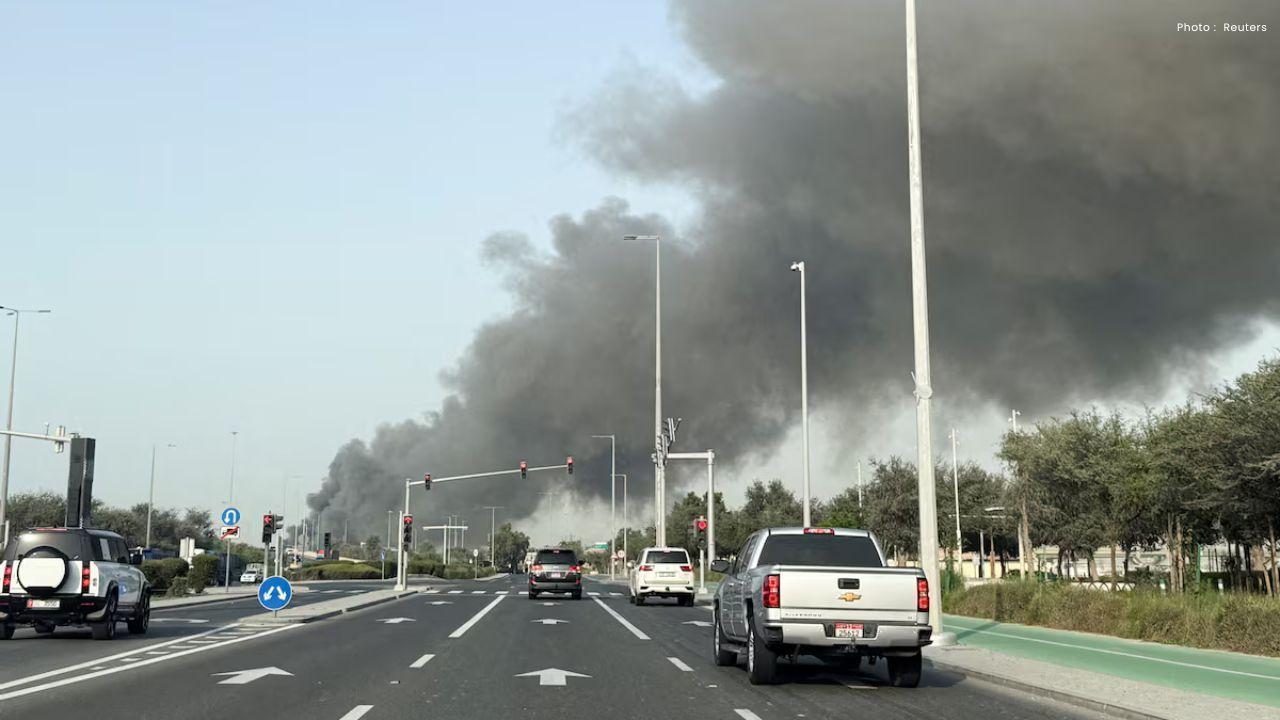
At the same time, the war itself continues to intensify. Iran has launched fresh attacks on US allies in the Gulf, including the United Arab Emirates and Saudi Arabia. These attacks have targeted oil facilities and important infrastructure, increasing fear and uncertainty in the region.
The conflict has already caused heavy losses. Reports suggest that more than 2,000 people have died since the fighting began, and there is still no clear end in sight.
The economic impact is also becoming more serious. With the Strait of Hormuz disrupted, oil prices have risen sharply. This affects not only the countries involved in the conflict but also the global economy. Higher oil prices can lead to increased costs for fuel, transportation, and everyday goods.
From an editorial point of view, this situation shows how quickly military conflict can turn into a diplomatic challenge. The disagreement between the United States and its allies raises important questions about global cooperation and shared responsibility.
One key issue is trust. In the past, allies often worked closely together during crises. Now, there seems to be hesitation and caution. This may be due to concerns about the risks of war, lack of clear international support, or differences in political priorities.
Another important point is the role of the Strait of Hormuz in the global economy. When such a vital route is disrupted, the effects are felt worldwide. Countries that depend on oil imports are especially vulnerable, and even small disruptions can lead to big economic problems.
The situation also highlights the risks of escalation. As more countries become involved, either directly or indirectly, the chances of a larger conflict increase. This makes diplomatic solutions even more important.
At the same time, the crisis shows the limits of military power. Even with strong military action, controlling a region as complex as the Middle East requires cooperation from many countries. Without that support, it becomes harder to manage the situation.
There is also a lesson about global dependence. Many countries rely on the same energy routes, but when it comes to protecting them, agreement is not always easy. This may push nations to rethink their energy strategies and reduce reliance on risky routes.
In conclusion, the current tension between the United States and its allies over the Strait of Hormuz reflects a deeper challenge in global politics. As the war continues and the risks grow, the need for cooperation, careful decision-making, and diplomatic efforts becomes more urgent than ever.









DAE Achieves Remarkable Growth in Q1 2026 With Record Revenue
Dubai Aerospace Enterprise announces impressive financial results for Q1 2026, reflecting a surge in

Price Increase for Sony PS5 in Southeast Asia Effective May 1
Sony announces a price increase for the PS5 across Southeast Asia starting May 1, 2026, impacting ga

Potential ‘Super El Niño’ in 2026: Understanding the Climate Risks
Could a Super El Niño emerge in 2026? Discover its implications and potential global climate impacts

Global Energy Crisis Intensifies: Markets React to Oil Supply Challenges
Markets are on edge as oil disruptions escalate, influencing prices and economic stability. Explore

Must-See Tourist Spots in London You Can't Overlook
Explore London's essential attractions, from royal landmarks to vibrant markets, ensuring an unforge

Ultimate Guide to Snagging Cheap Flights in 2026
Unlock the secrets to booking affordable flights in 2026 with insightful tips and strategies tailore




