Post by : Saif Nasser
The Middle East is facing one of its most dangerous moments in recent years as fighting between Iran, Israel, and the United States continues to grow. Military attacks from all sides have raised fears that the conflict could spread across the region and affect many countries beyond the battlefield.
The crisis began when the United States and Israel launched major airstrikes on targets across Iran. The attacks focused on military bases, missile sites, and other strategic facilities. The strikes marked one of the largest coordinated military operations against Iran in modern history and signaled a serious escalation in tensions that had been building for months.
The situation became even more dramatic when Iranian state media confirmed that the country’s Supreme Leader, Ayatollah Ali Khamenei, had been killed during the attacks. His death created a major leadership crisis in Iran and added further uncertainty to an already dangerous conflict.
The strikes were part of a campaign by the United States and Israel to weaken Iran’s military power and reduce what they see as a growing threat from Iran’s nuclear program and missile capabilities. Both countries have long accused Iran of trying to develop nuclear weapons, a claim that Iranian leaders strongly deny.
Soon after the attacks, Iran responded with a wave of missile and drone strikes aimed at Israel and at American military bases in the Middle East. Iranian forces launched attacks toward several locations, including bases and facilities connected to U.S. troops stationed in the region.
Missiles were also reported hitting or targeting areas in Israel and nearby Gulf countries. The expanding battlefield shows how quickly the conflict has moved beyond a simple military clash between two countries. Instead, it is turning into a regional crisis involving several nations.
According to reports, the fighting has already caused significant casualties. Hundreds of people have been killed in Iran since the attacks began, while deaths and injuries have also been reported in Israel and other countries affected by missile strikes.
The conflict has also affected American forces in the region. U.S. officials confirmed that several American soldiers were killed during the attacks, highlighting the serious risks facing troops stationed in the Middle East.
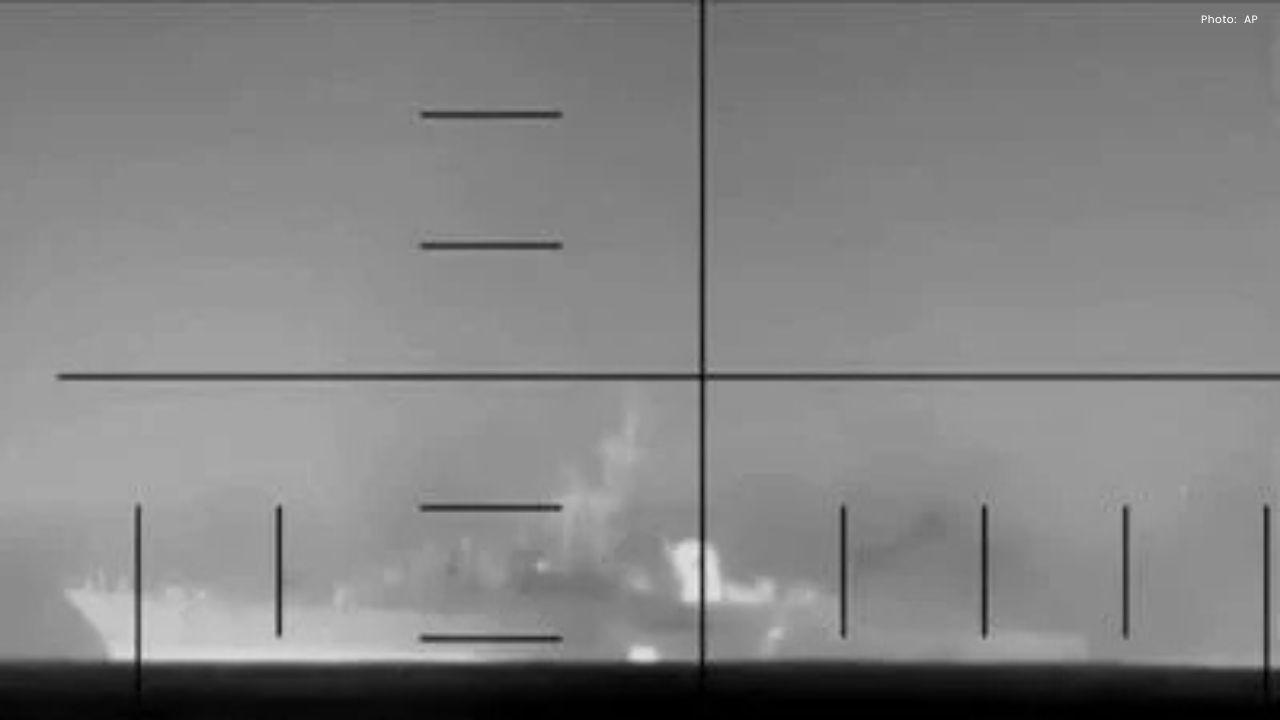
Military operations have continued to intensify in the days following the first strikes. In one dramatic development, a U.S. submarine reportedly sank an Iranian warship in the Indian Ocean. This rare naval attack showed that the conflict is not limited to airstrikes and missiles but is also spreading into naval battles.
Iran has warned that if attacks continue, it could respond with even stronger retaliation across the region. Iranian leaders have threatened to target military and economic infrastructure in the Middle East if they believe their country remains under attack.
At the same time, Israel has continued to defend itself against incoming Iranian missiles and drones. Israeli defense systems have been working to intercept many of these attacks, although some missiles have still managed to reach targets.
The conflict has also begun to draw attention from other countries. Governments in the Gulf region are worried that the fighting could spread to their territories. Some of these countries host American military bases, which could make them targets during Iranian retaliation.
There are also concerns about global economic effects. The Middle East is one of the world’s most important regions for oil production and shipping. Any major war in the region could disrupt oil supplies and affect global markets.
Political leaders around the world have called for calm and urged all sides to avoid further escalation. Many experts warn that if the fighting continues, it could turn into a much larger regional war involving multiple countries and armed groups.
The crisis also comes at a moment of political uncertainty inside Iran. With the death of its supreme leader and the destruction of several government and military facilities, the country is now facing questions about leadership and stability.
For ordinary people in the region, the war has brought fear and uncertainty. Air raid sirens, missile warnings, and military strikes have become part of daily life in some areas. Families worry about safety, while businesses and transportation networks face serious disruption.
The coming days will be critical. If diplomatic efforts fail and military operations continue to grow, the Middle East could face a prolonged and devastating conflict.
At the same time, there are still voices calling for dialogue. Many international leaders believe that only diplomacy and negotiation can prevent the situation from becoming a full-scale regional war.
For now, the world is watching closely as events unfold. The conflict between Iran, Israel, and the United States has already changed the political landscape of the Middle East, and its long-term consequences may shape the region for many years to come.








Reopening of the Strait of Hormuz: New Regulations to Impact Global Trade
Iran reopens the strategic Strait of Hormuz with new regulations affecting oil transport and global

Top 10 Must-See Attractions in NYC for First-Time Explorers
Discover essential experiences for first-time visitors to NYC, including attractions, culture, and i

Starbucks Engages Boyu Capital for Major Chinese Expansion
Starbucks teams up with Boyu Capital, selling a majority stake to boost growth and adapt to the Chin

Three Individuals Charged in Massive Meth Trafficking Case in Malaysia
In Malaysia, a married couple and another suspect are charged with trafficking 510kg of meth, facing

Singapore Police Revisit Geylang Murder Scene with Suspect
In Geylang, police return a murder suspect to the scene of a crime involving the fatal stabbing of a