Post by : Saif Nasser
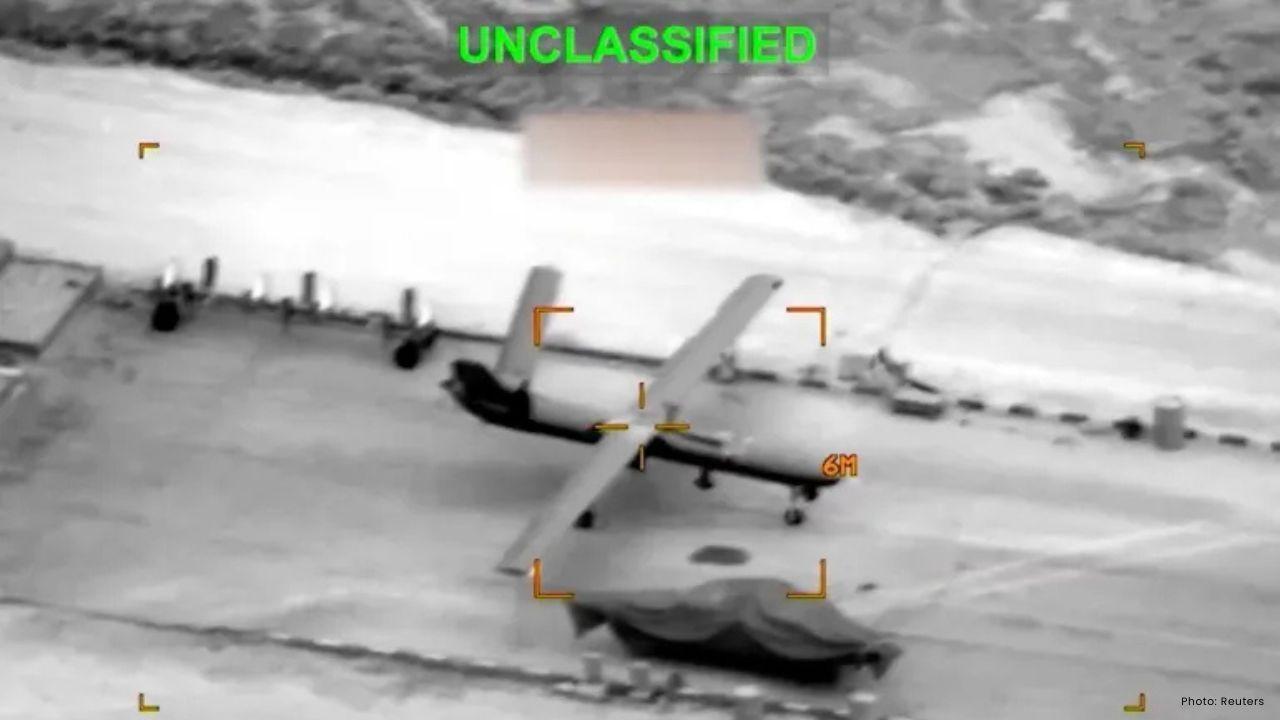
The growing conflict between the United States and Iran is not only a military issue. It is also a major economic concern. Many Americans are asking one important question: how much could the Iran war cost the United States? Experts say the answer depends on how long the conflict lasts and how deeply it affects global markets.
Military spending is the first and most direct cost. When the United States sends troops, ships, aircraft and advanced weapons into action, the expenses rise quickly. Fighter jets, missiles, naval ships and air defense systems are extremely expensive to operate. Daily operations require fuel, maintenance, food supplies and salaries for service members. Even a short military campaign can cost billions of dollars.
If the conflict continues for months, the cost of military operations could grow much larger. Past wars in the Middle East have shown that long-term involvement can cost trillions of dollars when all expenses are counted. These include not only combat costs but also medical care and benefits for veterans in the years after the fighting ends.
Another major factor is oil prices. The Middle East plays a key role in global oil production. When tensions rise in this region, global oil prices often increase. Higher oil prices can quickly affect the United States economy. Gasoline becomes more expensive, transportation costs rise, and everyday goods may cost more in stores.
When oil prices rise sharply, inflation can increase. Inflation means that people pay more money for the same products. Families may struggle with higher grocery bills, fuel costs and utility payments. Businesses also face higher operating costs, which can slow down economic growth.
The stock market can also react to war uncertainty. Investors often become cautious during times of conflict. Markets may experience sudden ups and downs. If the war creates long-term instability, it could weaken business confidence and slow hiring and investment.
Government borrowing is another concern. If the United States spends large amounts of money on the war, it may need to borrow more funds. This can increase national debt. Higher debt means more interest payments in the future, which can put pressure on government budgets for years to come.
There are also hidden or indirect costs. These include long-term medical care for injured soldiers, support programs for military families, and rebuilding damaged equipment. These expenses continue long after the fighting ends.
Some economic experts warn that even short disruptions in global energy supply can have lasting effects. If shipping routes in the region are disturbed, trade could slow down. This may affect supply chains, causing delays and higher prices for goods in the United States.
Supporters of military action argue that national security must come first. They believe that preventing greater threats may justify the financial cost. Critics, however, warn that war expenses can burden taxpayers and future generations.
At this stage, the exact cost of the Iran war remains uncertain. It could be limited if the conflict ends quickly. However, if it expands or lasts longer, the financial impact on the United States could be significant. Rising oil prices, higher inflation, increased military spending and long-term debt are all possible outcomes.
The true cost of war is measured not only in dollars but also in its effect on people’s lives. As events continue to unfold, Americans and policymakers will closely watch both the battlefield and the economy.








Reopening of the Strait of Hormuz: New Regulations to Impact Global Trade
Iran reopens the strategic Strait of Hormuz with new regulations affecting oil transport and global

Top 10 Must-See Attractions in NYC for First-Time Explorers
Discover essential experiences for first-time visitors to NYC, including attractions, culture, and i

Starbucks Engages Boyu Capital for Major Chinese Expansion
Starbucks teams up with Boyu Capital, selling a majority stake to boost growth and adapt to the Chin

Three Individuals Charged in Massive Meth Trafficking Case in Malaysia
In Malaysia, a married couple and another suspect are charged with trafficking 510kg of meth, facing

Singapore Police Revisit Geylang Murder Scene with Suspect
In Geylang, police return a murder suspect to the scene of a crime involving the fatal stabbing of a