Post by : Saif Nasser
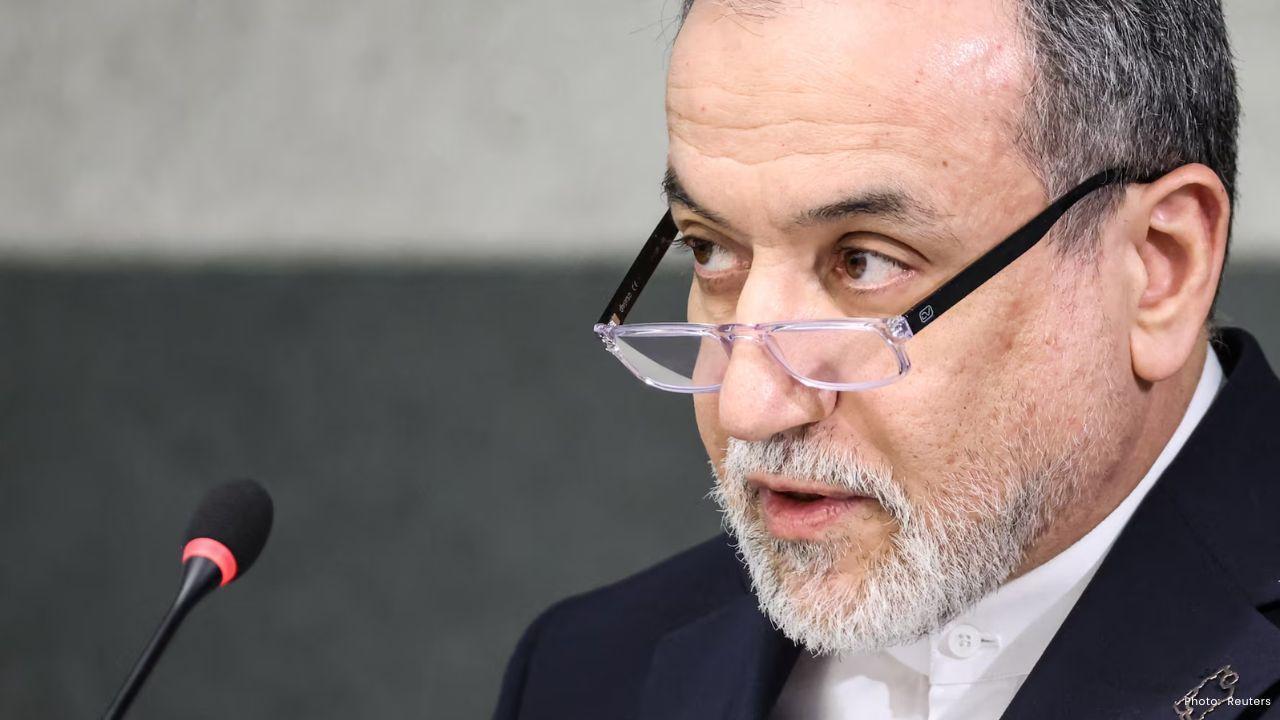
Fresh talks between Iran and the United States in Geneva have shown signs of progress, according to Iran’s foreign minister. Officials from both sides discussed the long-running nuclear dispute and agreed on what were described as basic guiding principles. While this is seen as a positive step, leaders have warned that a final deal is not close yet and many difficult details remain.
Iranian Foreign Minister Abbas Araqchi said negotiators had serious discussions and reached general agreement on some core ideas. He described the moment as a “new window of opportunity” and said he hopes the talks can lead to a stable and lasting solution. However, he also made clear that agreeing on principles is only the beginning, not the end, of the process.
On the American side, officials also confirmed that progress was made, but said there are still many technical and political gaps. A U.S. official said Iran is expected to present more detailed proposals within the next two weeks. Those proposals will be used to test whether both sides can move from broad ideas to specific rules and limits.
The talks were indirect and were helped by mediation from Oman, which has often played the role of a quiet go-between in past negotiations. Omani officials said both sides left the meeting with clear next steps, but also stressed that much more work is needed. This careful language shows that while the mood may be slightly better, trust is still limited.
At the same time the talks were taking place, Iran temporarily closed parts of the Strait of Hormuz during military drills. This waterway is one of the most important oil shipping routes in the world. Even a short closure can worry markets because a large share of global oil supply passes through it. Oil prices fell after news of progress in the talks, suggesting traders believe diplomacy could lower the risk of conflict.
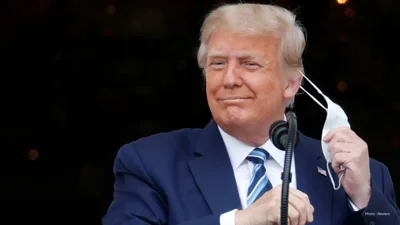
Iran’s Supreme Leader warned that outside pressure and threats would not force political change inside the country. On the other side, Donald Trump said he was involved indirectly in the negotiation process and believes Iran wants an agreement. He has also warned in the past that failure to reach a deal could lead to serious consequences.
The core dispute remains the same as it has been for years. The United States and its allies worry that Iran’s nuclear program could be used to build a weapon. Iran says its program is only for peaceful energy and research. Iran has enriched uranium to high levels, closer to weapons grade, which has increased Western concern. Tehran argues that enrichment is its right and says it will not give it up completely.
Washington wants wider limits that could include missile programs and regional security issues. Iran has rejected that approach and says the talks must focus only on nuclear activity and sanctions relief. This difference in scope is one of the biggest barriers to a full agreement.
Another key player is the International Atomic Energy Agency, which monitors nuclear programs around the world. Iran says the agency can play an important role in verifying any future deal. Independent verification is likely to be necessary if sanctions are to be lifted and trust rebuilt.
The wider region also watches closely, especially Israel, which strongly opposes any deal it believes is too weak. Past conflicts and recent strikes on nuclear sites have made the situation more tense. Military pressure and diplomatic talks are now happening at the same time, which makes the environment fragile.
The real test will come in the next rounds of negotiation. It is easier to agree on general principles than on exact limits, timelines, and inspections. Still, even small progress matters. It lowers immediate fear and keeps channels open. In conflicts like this, silence and distance are often more dangerous than slow, difficult dialogue.
For now, the message from Geneva is cautious but important: the door to agreement is not closed. Whether leaders can walk through it depends on patience, realism, and the willingness to compromise on hard issues.





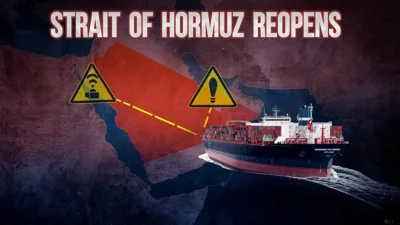
Reopening of the Strait of Hormuz: New Regulations to Impact Global Trade
Iran reopens the strategic Strait of Hormuz with new regulations affecting oil transport and global

Top 10 Must-See Attractions in NYC for First-Time Explorers
Discover essential experiences for first-time visitors to NYC, including attractions, culture, and i

Starbucks Engages Boyu Capital for Major Chinese Expansion
Starbucks teams up with Boyu Capital, selling a majority stake to boost growth and adapt to the Chin

Three Individuals Charged in Massive Meth Trafficking Case in Malaysia
In Malaysia, a married couple and another suspect are charged with trafficking 510kg of meth, facing

Singapore Police Revisit Geylang Murder Scene with Suspect
In Geylang, police return a murder suspect to the scene of a crime involving the fatal stabbing of a