Post by : Saif Nasser
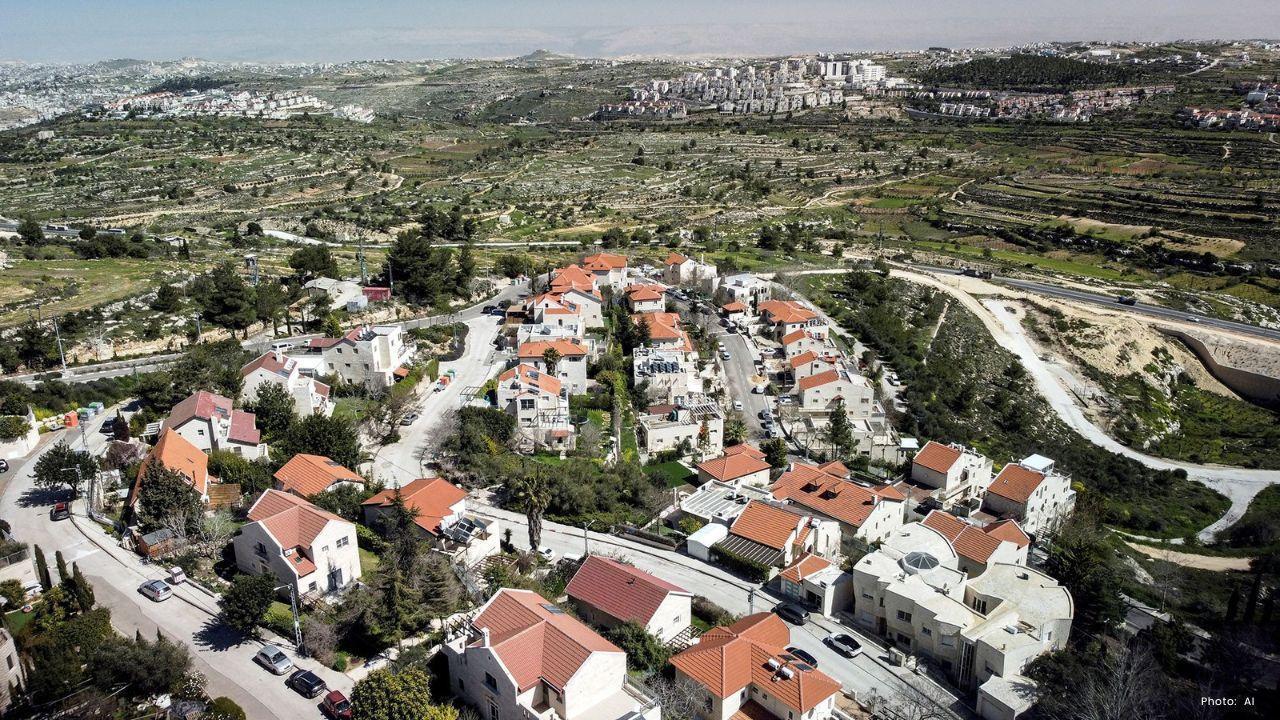
The statement was delivered by the Palestinian envoy to the United Nations, who spoke on behalf of a large group of member states and international organizations. In their joint message, the coalition said unilateral decisions to expand control over West Bank territory are not only illegal under international law, but also undermine peace efforts and future negotiations. These steps, they argued, violate long-standing agreements and resolutions designed to protect the rights of both Palestinians and Israelis.
A key concern is a recent decision to implement a land registration plan in parts of the West Bank — known as Area C — where Israel is moving to classify land as “state property.” Critics say such policies make it easier to build settlements, change land ownership, and shift population patterns in a territory occupied since 1967. They warn this could create facts on the ground that are very hard to reverse.
The coalition’s list of signatories is wide and includes countries from every region of the world. Nations such as Australia, Canada, China, France, Pakistan, Russia, South Korea, Saudi Arabia, Turkiye, and the United Arab Emirates were part of the statement, as were major regional groups like the European Union, the League of Arab States, and the Organisation of Islamic Cooperation.
At the heart of the dispute is the question of sovereignty and occupation. The international community generally considers the West Bank to be occupied territory, and it has repeatedly affirmed that no country can change the legal status of occupied land by itself. Land registration, expansion of settlements, and changes to administrative rules are seen by many nations as part of a broader effort to solidify control — a process that could weaken the possibility of an independent Palestinian state. United Nations resolutions and international court opinions have emphasized the need to uphold international law and protect the rights of all people living in the territory.
The statement also highlighted the risk that these policies could worsen tensions and slow down any serious peace talks. A peace settlement between Israelis and Palestinians has long been viewed as a way to bring stability and security not just to the immediate area, but to the wider Middle East. Many member states stressed that unilateral changes to land status make it harder to build trust between the two sides and to restart meaningful negotiations.
Beyond political statements, some member states have pointed to legal obligations. They cited UN resolutions, past peace plans, and an advisory opinion from the International Court of Justice that described aspects of the occupation and related policies as unlawful under international law. These legal frameworks are meant to guide how countries behave during conflicts and occupations, and many argue that ignoring them sets dangerous precedents.
There are also practical concerns for people living in the West Bank. Altering land classification and expanding settlements can affect daily life for Palestinian families, their access to resources, and their movement. Critics argue that such changes deepen inequality and hardship for residents, fuelling anger and mistrust. Observers say that without a clear direction toward peace and shared rights, more instability could unfold in years ahead.
Despite these strong international objections, the Israeli government defends its actions as necessary for its security and national interests. Officials say they are responding to security threats and legal needs on the ground. Supporters of these decisions within Israel argue they reflect longstanding claims and concerns about historic ties to the land. These conflicting views reflect the deep divisions that have long existed in this conflict.
From an editorial perspective, the global response underlines just how sensitive the issue of land and sovereignty has become in the Middle East. When more than 80 countries and leading international groups speak with one voice, it shows that many nations see the existing situation as dangerous and potentially damaging to peace. But words alone do not always change policies, especially when on-the-ground realities and political pressures pull in different directions.
In the end, both sides say they want peace, but disagreement over how to reach it and what fairness looks like continues to divide leaders and ordinary people alike. For lasting peace to become possible, many argue that policies must respect international law, protect human rights, and work toward a future where both peoples can live securely and with dignity.







Reopening of the Strait of Hormuz: New Regulations to Impact Global Trade
Iran reopens the strategic Strait of Hormuz with new regulations affecting oil transport and global

Top 10 Must-See Attractions in NYC for First-Time Explorers
Discover essential experiences for first-time visitors to NYC, including attractions, culture, and i

Starbucks Engages Boyu Capital for Major Chinese Expansion
Starbucks teams up with Boyu Capital, selling a majority stake to boost growth and adapt to the Chin

Three Individuals Charged in Massive Meth Trafficking Case in Malaysia
In Malaysia, a married couple and another suspect are charged with trafficking 510kg of meth, facing

Singapore Police Revisit Geylang Murder Scene with Suspect
In Geylang, police return a murder suspect to the scene of a crime involving the fatal stabbing of a