Post by : Saif Nasser
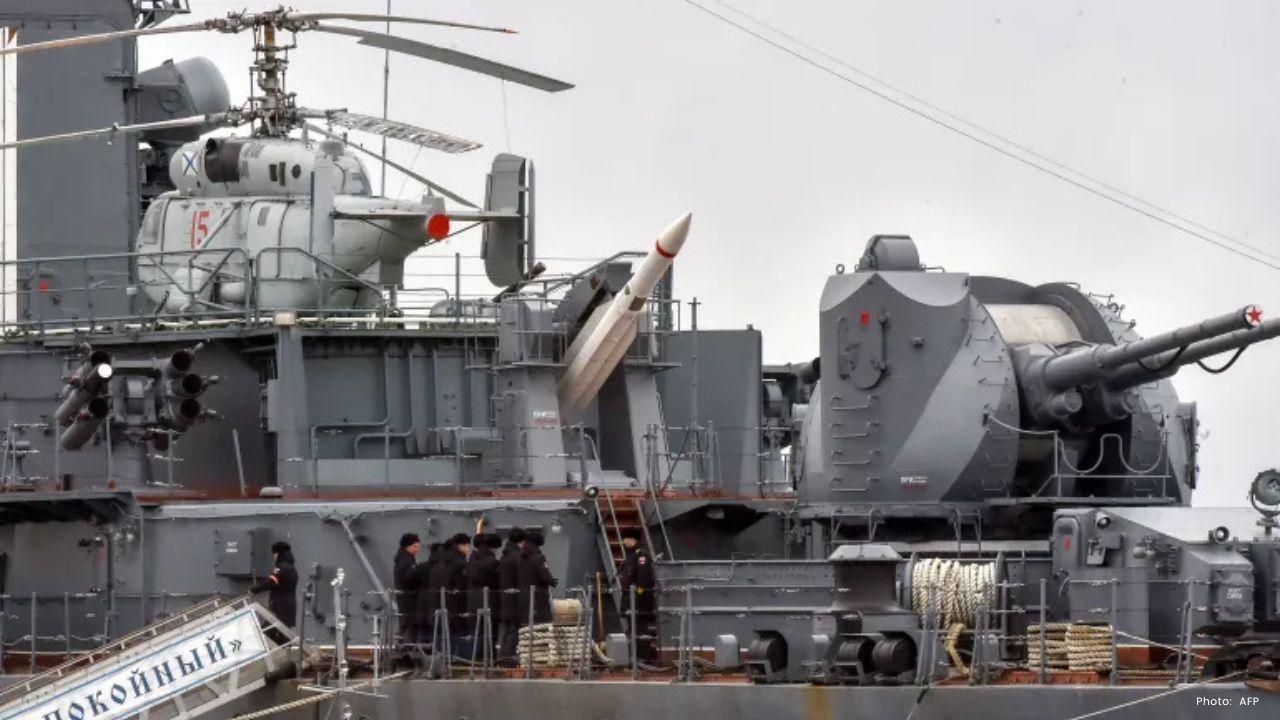
A senior official from Russia has warned that the country could use its navy to stop Western nations from seizing Russian merchant ships at sea. The statement has added new tension to an already fragile global situation shaped by sanctions, war, and trade restrictions.
According to official comments reported in international media, Moscow believes some Western countries are going too far by detaining or interfering with ships linked to Russian trade. The official said these actions look like illegal seizures and economic pressure rather than normal law enforcement. He added that if such incidents continue, Russia may respond with direct naval protection for its commercial vessels.
Merchant ships are cargo vessels that carry oil, gas, grain, metals, and other goods between countries. Russia depends heavily on sea routes to sell energy and raw materials to buyers around the world. If these routes are blocked or disrupted, it can hurt both Russia’s economy and global supply chains.
The warning comes during a period of strained relations between Russia and several Western governments over the war in Ukraine and the sanctions that followed. Many Western states have placed limits on Russian exports, shipping, insurance, and banking. These rules are meant to increase pressure on Moscow. Russia argues that some enforcement steps at sea cross legal limits.
From the Russian point of view, stopping and holding ships in international waters can threaten freedom of navigation. Officials say that if merchant vessels are treated like military targets or political tools, then normal trade cannot function safely. That is why, they argue, naval escorts or other defense measures may be needed.
Western countries see the matter differently. They say ship detentions are tied to sanction enforcement, safety checks, or suspected violations involving cargo, ownership, or insurance rules. In their view, these are legal tools, not acts of piracy. They also argue that sanctions lose their power if they are not enforced in real situations, including at sea.
This dispute shows how quickly trade rules can turn into security issues. The oceans are shared spaces, and many countries depend on open sea lanes. When naval forces become involved in trade protection, the risk level rises. Even a small misunderstanding between patrol ships and cargo vessels could grow into a diplomatic or military crisis.
There is also a wider concern for global markets. If shipping routes become tense or dangerous, insurance costs rise and deliveries slow down. That can affect fuel prices, food supplies, and factory production in many countries, not just those directly involved in the dispute.
A careful path is needed. Strong words and military signals may satisfy domestic audiences, but they can also harden positions on the other side. Clear communication, transparent legal processes, and neutral maritime rules are important to keep trade moving and avoid conflict.
The current moment is a test for international maritime order. Nations must balance sanction enforcement with safe navigation. If that balance fails, the world could see more naval standoffs around commercial shipping lanes. That would benefit no one and increase risks for global trade.









Reopening of the Strait of Hormuz: New Regulations to Impact Global Trade
Iran reopens the strategic Strait of Hormuz with new regulations affecting oil transport and global

Top 10 Must-See Attractions in NYC for First-Time Explorers
Discover essential experiences for first-time visitors to NYC, including attractions, culture, and i

Starbucks Engages Boyu Capital for Major Chinese Expansion
Starbucks teams up with Boyu Capital, selling a majority stake to boost growth and adapt to the Chin

Three Individuals Charged in Massive Meth Trafficking Case in Malaysia
In Malaysia, a married couple and another suspect are charged with trafficking 510kg of meth, facing

Singapore Police Revisit Geylang Murder Scene with Suspect
In Geylang, police return a murder suspect to the scene of a crime involving the fatal stabbing of a