Post by : Saif Nasser
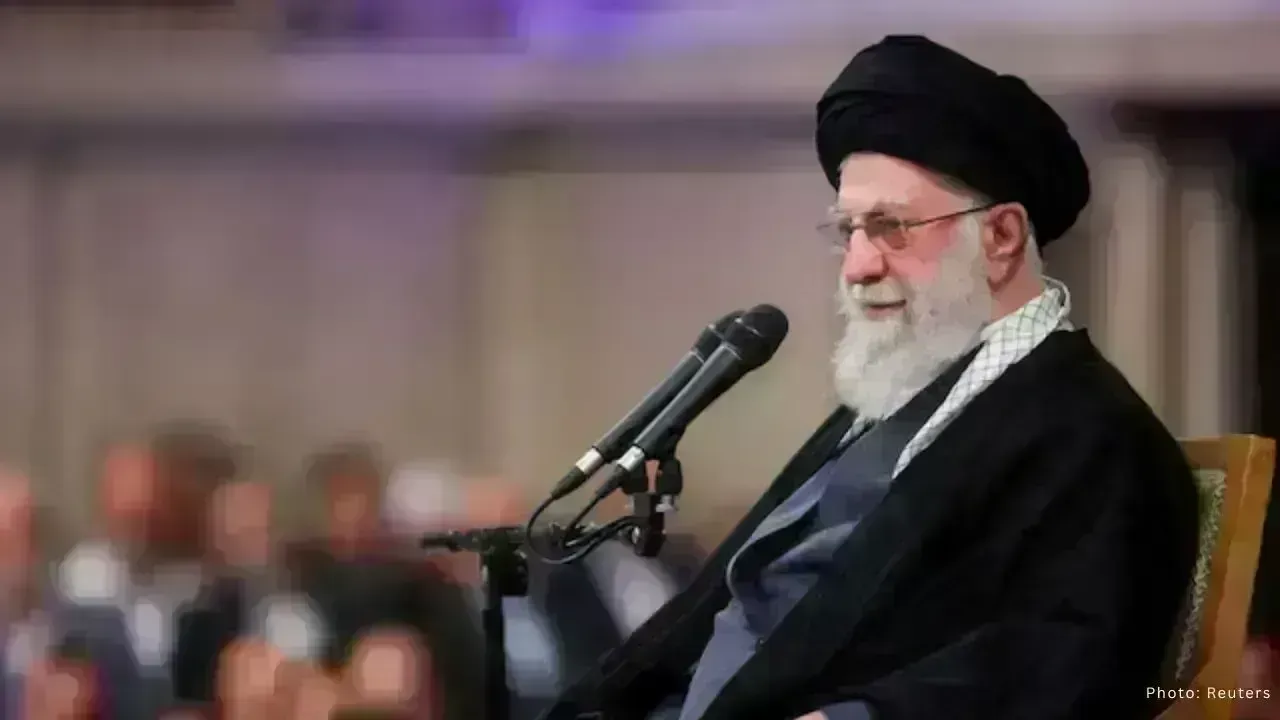
Iran is once again at a tense moment as Supreme Leader Ayatollah Ali Khamenei prepares to address the nation amid widespread protests linked to economic hardship. Iranian state television announced that his speech would focus on what authorities describe as “terrorist actions,” while demonstrations over daily living costs continue to spread across the country.
The protests began in Tehran, where shopkeepers in the historic Grand Bazaar reacted angrily to the sharp fall of Iran’s national currency, the rial. As prices rose and incomes failed to keep up, frustration quickly moved beyond traders. Young men across several cities have now joined the protests, showing a shift from earlier unrest in 2022 and 2023, when women and girls were at the forefront.
Reports from internet monitoring groups show that Iran experienced a nationwide internet blackout starting Thursday and continuing into Friday. This disruption came at the same time as renewed calls for protests by Reza Pahlavi, the son of Iran’s last monarch, who has lived in exile since the 1979 Islamic Revolution. Limited internet access has made it harder for people to share information, adding to public anger and uncertainty.
Human rights groups based outside Iran report that the unrest has already turned deadly. At least 34 protesters and four members of the security forces have been killed, while around 2,200 people have been arrested. Analysts say these numbers reflect deep disappointment among citizens who feel their voices are not being heard and their economic problems are not being solved.
The Iranian authorities appear to be taking two different paths at the same time. Officials have said that protests about economic issues are understandable and that dialogue is possible. However, on the streets, security forces have used tear gas and other measures to control crowds, especially when demonstrations turn violent. This mixed response has raised questions about whether real solutions will follow words of reassurance.
Nearly fifty years after the Islamic Revolution, Iran’s leadership is facing a growing gap between state policies and the expectations of a young population. Many protesters are not only angry about rising prices and job shortages but also about Iran’s involvement in conflicts beyond its borders. Chants such as “Not Gaza, not Lebanon, my life for Iran” show that many citizens want the government to focus more on problems at home.
As Ayatollah Khamenei prepares to speak, many Iranians are watching closely. His words may set the tone for how the government handles this latest wave of unrest. Whether the speech calms tensions or deepens divisions will likely shape Iran’s political and social climate in the days ahead.




The Impact of Consistent Small Investments on Wealth Building
Discover how investing small amounts regularly can positively transform your financial future over t

7.5 Magnitude Earthquake Strikes Japan, Tsunami Alerts Issued
Japan experiences a hefty 7.5 quake, prompting tsunami alerts and safety measures. Stay updated on a
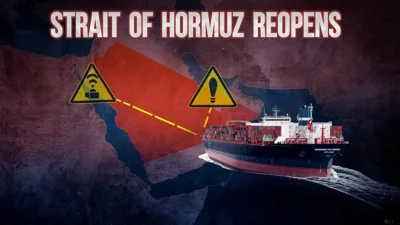
Reopening of the Strait of Hormuz: New Regulations to Impact Global Trade
Iran reopens the strategic Strait of Hormuz with new regulations affecting oil transport and global

Top 10 Must-See Attractions in NYC for First-Time Explorers
Discover essential experiences for first-time visitors to NYC, including attractions, culture, and i

Starbucks Engages Boyu Capital for Major Chinese Expansion
Starbucks teams up with Boyu Capital, selling a majority stake to boost growth and adapt to the Chin

Three Individuals Charged in Massive Meth Trafficking Case in Malaysia
In Malaysia, a married couple and another suspect are charged with trafficking 510kg of meth, facing