Post by : Saif Nasser
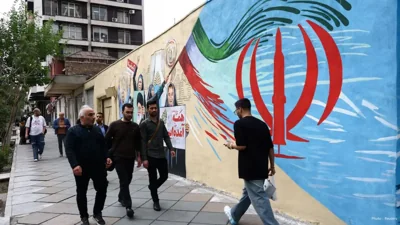
Iran is going through a tense and uncertain time. Protests are spreading across the country, driven by economic pain, public anger, and long-standing political frustration. At the same time, many Iranians are closely watching recent U.S. military action in Venezuela. Though the event happened far away, it has deeply affected how people in Iran feel about their own future.
The United States recently carried out a military operation in Venezuela that led to the capture of President Nicolás Maduro, a long-time ally of Iran. Iranian officials strongly condemned the action, calling it illegal and dangerous. State media in Iran quickly criticized the United States, warning that such actions threaten global stability and ignore international rules.
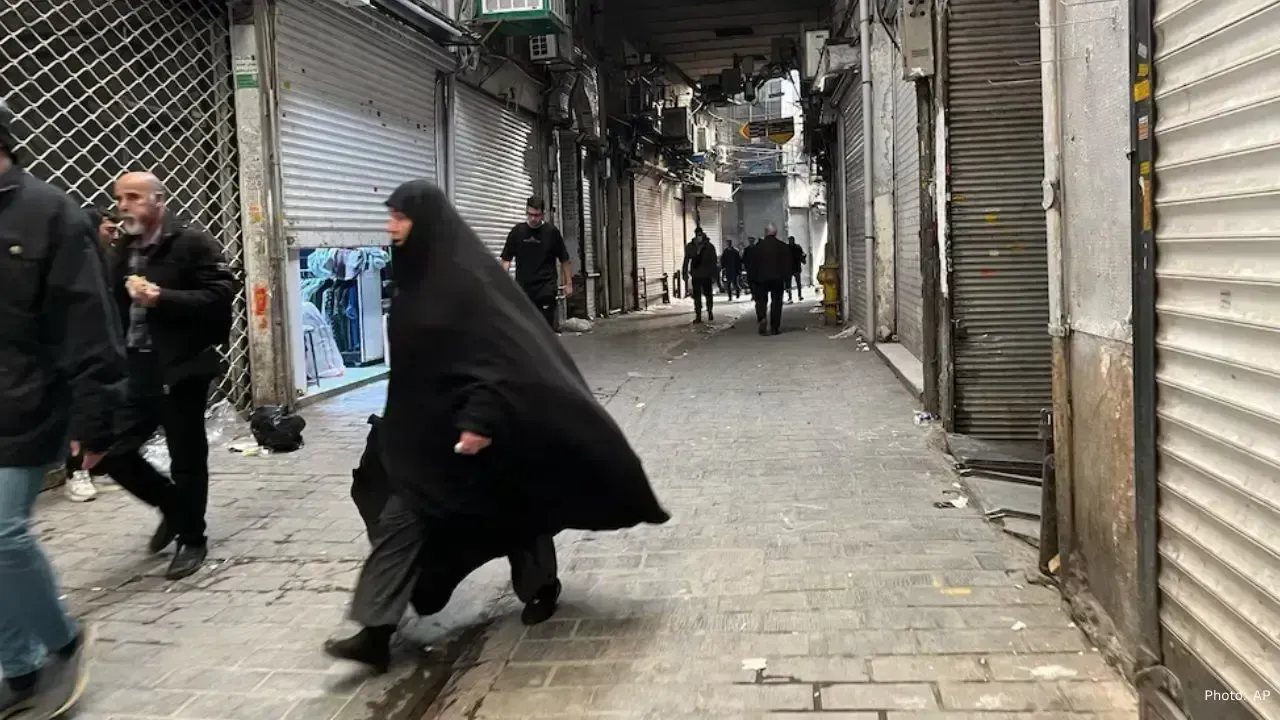
Beyond official statements, ordinary Iranians are talking about what the U.S. action could mean for them. In markets, homes, and even workplaces, people are quietly asking the same question: if the United States can target a foreign leader like this, could Iran be next? This fear has grown stronger because Iran already feels under pressure from outside forces.
These concerns come at a time when Iran is facing serious internal unrest. Protests have erupted in many cities due to rising prices, unemployment, and the weakening national currency. For many families, daily life has become harder, and frustration has turned into open demonstrations. Security forces have responded firmly, leading to arrests and clashes that have increased public tension.
The fear of foreign intervention adds another layer to this unrest. Many Iranians remember recent conflicts in the region, including attacks on Iranian military officials and nuclear facilities. These events have created a sense of vulnerability. Some people believe that Iran’s top leaders, including the supreme leader, are taking extra security measures due to these threats.
For the government, the situation is delicate. Leaders insist that protests are being fueled by outside enemies, while also trying to show strength against foreign pressure. At the same time, the public mood reflects anxiety rather than confidence. Even those who support the system worry about the safety and stability of the country.
Experts say that while Iran and Venezuela are very different, the psychological impact of the U.S. action is real. It has reminded Iranians of how powerful global politics can directly affect their lives. The fear may or may not match reality, but it influences how people think, protest, and react to authority.
As protests continue and global tensions remain high, Iran stands at a difficult crossroads. The country is dealing with anger at home and fear from abroad at the same time. What happens next will depend on how leaders respond to public demands and how international powers choose to act in an already fragile region.




The Impact of Consistent Small Investments on Wealth Building
Discover how investing small amounts regularly can positively transform your financial future over t

7.5 Magnitude Earthquake Strikes Japan, Tsunami Alerts Issued
Japan experiences a hefty 7.5 quake, prompting tsunami alerts and safety measures. Stay updated on a
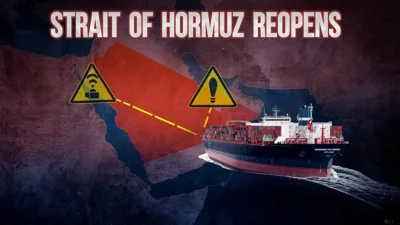
Reopening of the Strait of Hormuz: New Regulations to Impact Global Trade
Iran reopens the strategic Strait of Hormuz with new regulations affecting oil transport and global

Top 10 Must-See Attractions in NYC for First-Time Explorers
Discover essential experiences for first-time visitors to NYC, including attractions, culture, and i

Starbucks Engages Boyu Capital for Major Chinese Expansion
Starbucks teams up with Boyu Capital, selling a majority stake to boost growth and adapt to the Chin
Three Individuals Charged in Massive Meth Trafficking Case in Malaysia
In Malaysia, a married couple and another suspect are charged with trafficking 510kg of meth, facing