Post by : Saif Nasser
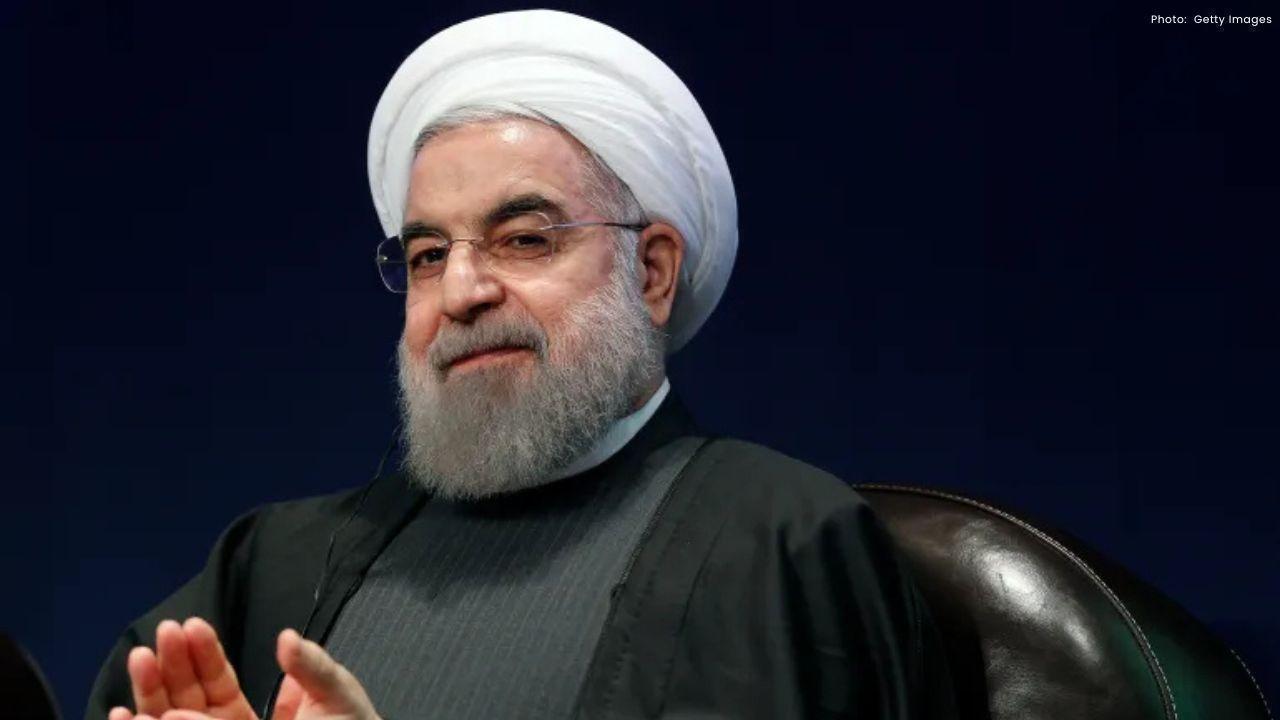
The political atmosphere in Iran has entered a period of deep uncertainty as questions about leadership continue to dominate national discussions. With a sudden leadership void shaking the country’s power structure, political observers and analysts are closely watching how Iran’s system will respond. In the middle of these discussions, the name of former Iranian president Hassan Rouhani has begun to appear again in political conversations, raising new questions about the direction Iran might take in the coming years.
Iran’s leadership structure is unique compared to many other countries. At the top of the system is the supreme leader, who holds the highest authority over the government, the military, and the country’s major political decisions. The role of the supreme leader is far more powerful than that of the president, making any change in this position extremely significant for Iran’s future.
For decades, Iran’s leadership structure remained relatively stable. However, recent developments have created a political vacuum that has forced the country’s political and religious establishment to consider what comes next. The uncertainty has triggered debate inside Iran’s political circles, where various factions are now discussing possible paths forward.
During this moment of uncertainty, Hassan Rouhani’s name has quietly resurfaced in public and political discussions. Rouhani served as Iran’s president from 2013 to 2021 and was widely known for promoting diplomacy and dialogue with the international community. His presidency was marked by attempts to reduce tensions with Western countries and improve Iran’s economic situation through international agreements.
Rouhani gained global attention during the negotiations that led to the 2015 nuclear agreement between Iran and several world powers. The deal aimed to limit Iran’s nuclear activities in exchange for the removal of international sanctions that had severely affected the country’s economy. Many people inside and outside Iran viewed the agreement as an important moment of diplomacy, though it later faced serious challenges and criticism.
Despite his earlier prominence, Rouhani’s political influence appeared to weaken after his presidency ended. Hardline political groups gained stronger control over Iran’s political institutions, and Rouhani himself was later prevented from running for certain political positions. For a time, it seemed that his role in national politics had largely faded.
However, the current leadership uncertainty has reopened discussions about experienced figures who might help guide the country during a sensitive period. In this context, Rouhani’s name has begun to appear again in political commentary and analysis. Some observers believe his experience in government and diplomacy could make him a useful figure during a complicated transition.
At the same time, Rouhani is not the only name being mentioned. Iran’s political system includes many influential clerics and political leaders who may be considered for key roles in shaping the country’s future. Some of these figures come from the more conservative wing of Iran’s political establishment, while others are associated with more moderate viewpoints.
The debate reflects deeper divisions inside Iran’s political system. For years, Iranian politics has been shaped by a struggle between hardline factions and more moderate voices. Hardliners generally favor strong resistance to Western pressure and strict protection of the revolutionary ideals established after the 1979 Islamic Revolution. Moderates, on the other hand, often support economic reforms, diplomacy, and greater engagement with the international community.
Rouhani has long been associated with the moderate camp. Supporters believe his approach could help reduce Iran’s international isolation and address economic challenges facing ordinary citizens. Critics, however, argue that his policies did not bring the long-term results that many people had hoped for.
Beyond the internal political debate, Iran’s leadership question also carries major consequences for the wider Middle East and global politics. Iran is an important regional power, and its policies influence conflicts, alliances, and diplomatic relations across the region. Changes in leadership could therefore affect relations with neighboring countries as well as major world powers.
Economic conditions inside Iran also add pressure to the situation. The country has struggled with inflation, unemployment, and the impact of international sanctions for many years. Many ordinary Iranians are concerned about how political decisions made by leaders will affect their daily lives.
In times like this, political uncertainty can create anxiety among citizens as well as international observers. While Iran’s political institutions are designed to manage leadership transitions, the process is often complex and takes place largely behind closed doors. This means that the final outcome is difficult to predict.
Some analysts believe that experienced political figures such as Rouhani may play a role in helping maintain stability during this uncertain period. Others argue that the country’s political establishment may prefer a leader who represents a stronger continuation of the existing system.
What is clear is that Iran is currently facing an important turning point. The decisions made by political leaders in the coming months could shape the country’s direction for many years. Whether Iran moves toward diplomatic engagement, maintains its current policies, or takes a different path will depend greatly on how the leadership question is resolved.
For now, the reappearance of Hassan Rouhani’s name in political discussions shows that Iran’s future leadership debate is still open and evolving. As the situation develops, both the Iranian public and the international community will continue to watch closely, knowing that the outcome may influence not only Iran but also the balance of politics across the Middle East.



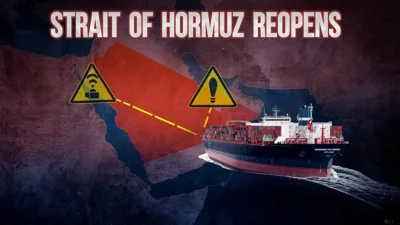
Reopening of the Strait of Hormuz: New Regulations to Impact Global Trade
Iran reopens the strategic Strait of Hormuz with new regulations affecting oil transport and global

Top 10 Must-See Attractions in NYC for First-Time Explorers
Discover essential experiences for first-time visitors to NYC, including attractions, culture, and i

Starbucks Engages Boyu Capital for Major Chinese Expansion
Starbucks teams up with Boyu Capital, selling a majority stake to boost growth and adapt to the Chin
Three Individuals Charged in Massive Meth Trafficking Case in Malaysia
In Malaysia, a married couple and another suspect are charged with trafficking 510kg of meth, facing
Singapore Police Revisit Geylang Murder Scene with Suspect
In Geylang, police return a murder suspect to the scene of a crime involving the fatal stabbing of a