Post by : Saif Nasser
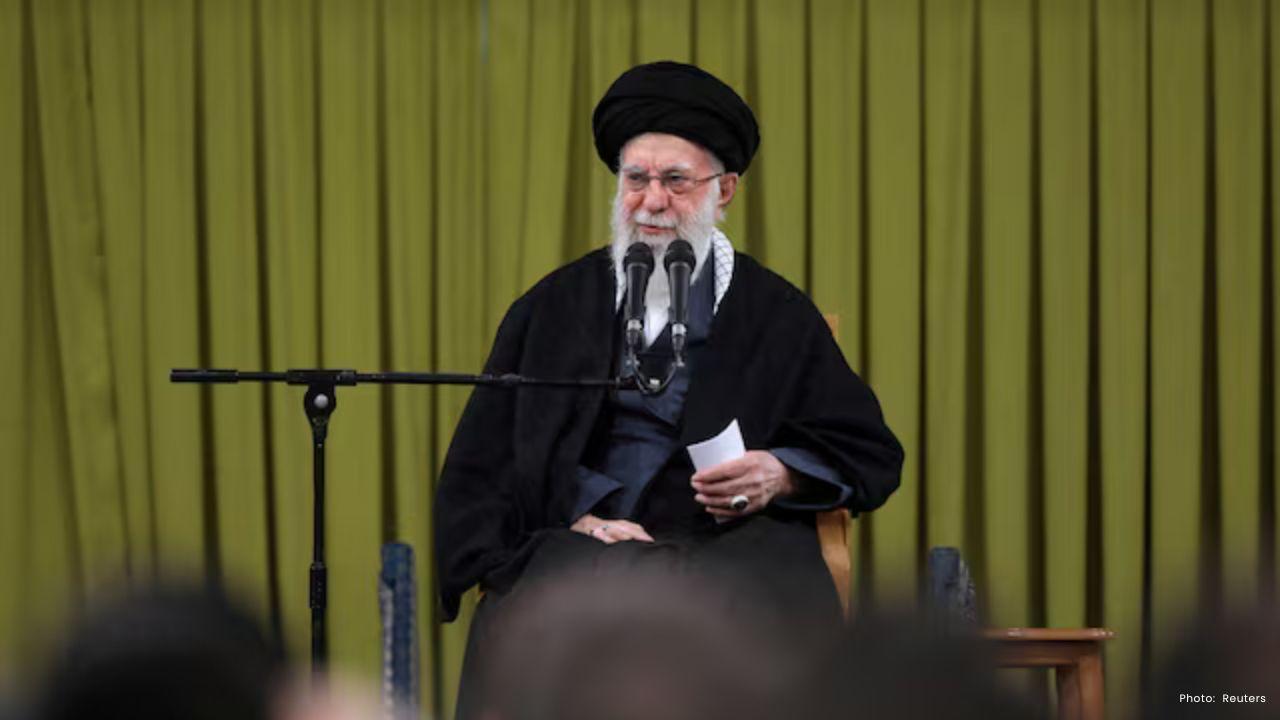
Iran and the United States are preparing to hold important negotiations in Oman over Iran’s nuclear program, but expectations are cautious as tensions remain high and trust between the two sides is very low. The planned talks come at a time when military threats, regional instability, and political pressure are all rising. Many observers say diplomacy is necessary, but success will not be easy.
Both countries have confirmed they are ready to sit down for discussions in Muscat, the capital of Oman, which has often served as a neutral meeting place in past Middle East negotiations. However, even before the talks begin, there is disagreement about what should be discussed. This difference in goals shows how wide the gap still is.
Iran says the talks should focus only on nuclear issues. Its leaders want the agenda limited to uranium enrichment, nuclear monitoring, and possible limits or guarantees linked to atomic activity. Iranian officials say they are coming with full authority and want a fair and respectful agreement focused only on the nuclear file.
The United States, however, wants a broader discussion. American officials say the nuclear program cannot be separated from other security concerns. Washington wants talks to also include Iran’s ballistic missile program, its support for armed groups in the region, and its treatment of protesters at home. This wider agenda is a major sticking point and could slow or even block progress.
The timing of the talks adds to their importance. The region is already under strain after months of conflict and unrest. The United States has increased its naval presence near Iran, sending more ships and military assets to nearby waters. American leaders say the buildup is meant to protect interests and partners in the region. Iran sees it as a threat and a pressure tactic.
U.S. officials have said clearly that diplomacy is the first choice, but not the only option. The White House has warned that if talks fail, other steps remain available, including military action. President Donald Trump has publicly warned that serious consequences could follow if no deal is reached. Such statements have raised fears that a failed negotiation could lead to airstrikes or other conflict.
Iran has responded with strong warnings of its own. Its leaders say any military attack would bring a harsh response. Tehran has also warned nearby countries that host U.S. military bases that they could become targets if they help in any strike. This exchange of warnings has increased worry across the Middle East.
Another sensitive issue is Iran’s missile program. Tehran has clearly said its defense capabilities, including missiles and their range, are not open for negotiation. This is described as a red line by Iranian officials. Just before the talks, Iranian state media reported the deployment of an advanced long-range ballistic missile at an underground facility. Moves like this send a signal of strength but also raise tension at a delicate moment.
At the same time, there are signs that Iran may be ready to show some flexibility on parts of its nuclear work. Iranian officials have suggested possible compromise ideas, such as limits on enrichment levels, sharing or transferring part of its highly enriched uranium stock, or joining a shared enrichment system with outside partners. Still, Iran insists that its basic right to enrich uranium cannot be removed.
The United States and its allies remain concerned that nuclear enrichment at high levels could shorten the path to building a nuclear weapon. Iran continues to say its nuclear program is peaceful and meant only for civilian energy and research. This disagreement over intent has been at the center of the dispute for many years.
Recent history makes the talks even more complex. Last year saw direct military strikes on Iranian nuclear sites during a short but intense period of fighting involving Israel and later the United States. Iran says parts of its enrichment work stopped after those attacks. Trust, however, was badly damaged, and rebuilding it will take time.
Internal events inside Iran also affect the situation. A recent government crackdown on nationwide protests led to many casualties and arrests. Western governments strongly criticized the response. U.S. officials say human rights concerns cannot be ignored in broader relations. Iranian leaders reject outside interference in domestic matters. This adds another layer of disagreement.
Regional power balance has also shifted. Iran’s allied groups in places such as Gaza, Lebanon, Yemen, Iraq, and Syria have suffered heavy setbacks from recent conflicts. Some analysts believe this has weakened Iran’s regional influence and may affect its negotiating position. Others argue that pressure can make talks harder, not easier.
From an editorial point of view, the Oman meeting is a necessary step, even if the chances of a quick breakthrough are small. When tensions are high and military forces are moving, dialogue becomes more important, not less. Even limited agreements or small confidence-building measures can reduce risk.
But success will require focus and realism. If both sides insist only on their full demands, talks may stall. A narrower first agreement on nuclear limits and inspections might be more practical, with other issues handled later through separate channels. Step-by-step diplomacy often works better than all-or-nothing deals.
The world will be watching these talks closely. The outcome will affect not only Iran and the United States but also the wider Middle East and global energy and security markets. Diplomacy carries risk and frustration, but the cost of failure could be far greater.




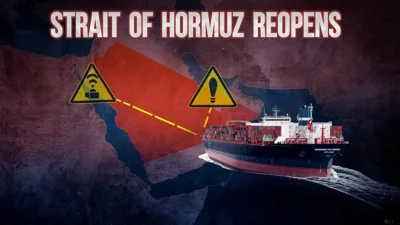
Reopening of the Strait of Hormuz: New Regulations to Impact Global Trade
Iran reopens the strategic Strait of Hormuz with new regulations affecting oil transport and global

Top 10 Must-See Attractions in NYC for First-Time Explorers
Discover essential experiences for first-time visitors to NYC, including attractions, culture, and i

Starbucks Engages Boyu Capital for Major Chinese Expansion
Starbucks teams up with Boyu Capital, selling a majority stake to boost growth and adapt to the Chin

Three Individuals Charged in Massive Meth Trafficking Case in Malaysia
In Malaysia, a married couple and another suspect are charged with trafficking 510kg of meth, facing

Singapore Police Revisit Geylang Murder Scene with Suspect
In Geylang, police return a murder suspect to the scene of a crime involving the fatal stabbing of a