Post by : Saif Nasser
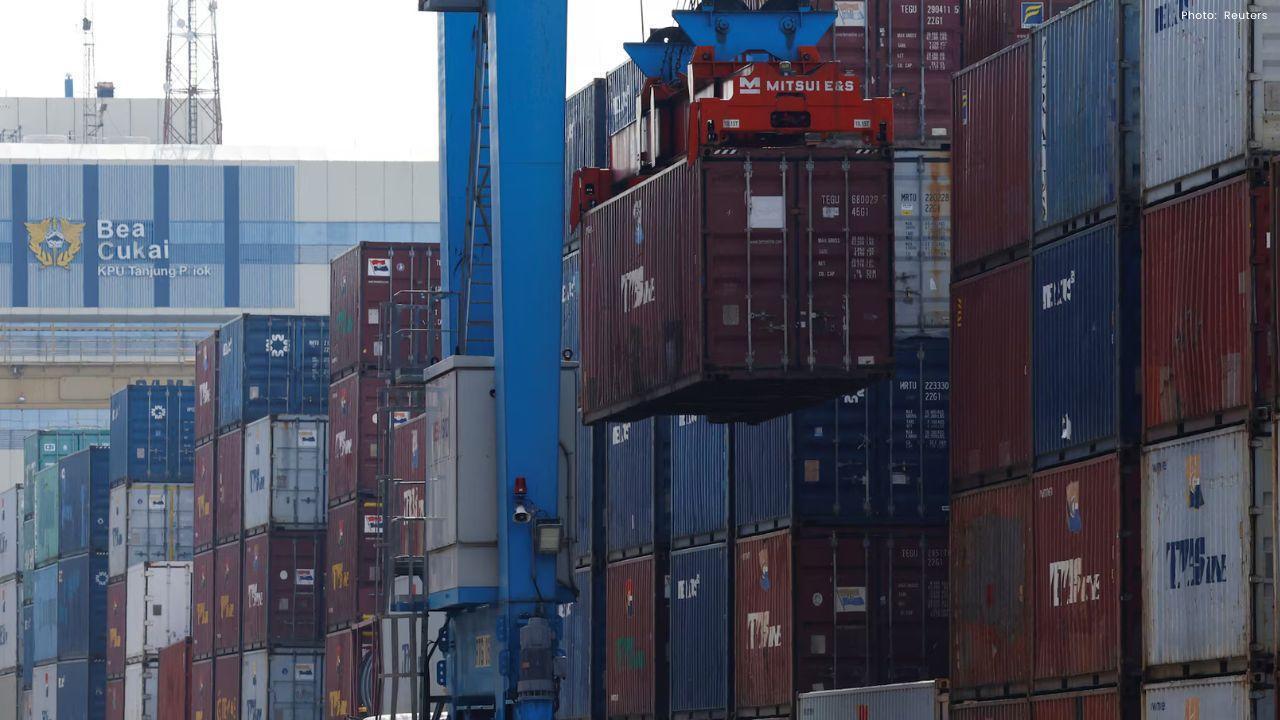
Indonesia and the United States have officially signed a reciprocal trade agreement that confirms a 19% tariff on Indonesian exports to the American market. The rate is lower than the 32% tariff that was first proposed last year, and Indonesian officials say the final deal protects national interests while keeping trade stable.
The agreement was signed by Indonesia’s senior economic minister Airlangga Hartarto and U.S. Trade Representative Jamieson Greer after several months of discussions. Speaking from Washington, Airlangga described the outcome as balanced and respectful of both nations’ sovereignty. He said the agreement shows that both countries can work together without harming each other’s core interests.
Under the deal, several key Indonesian products will enter the United States without tariffs. These include coffee, chocolate, natural rubber and spices. These goods are important for Indonesia’s farming communities and export businesses. The government also said it is seeking exemptions for nearly 1,700 additional products, including palm oil, which is Indonesia’s largest export commodity.
Textile exports will also receive special treatment. They will face a 0% levy under a Tariff-Rate Quota system. The details of this system are expected to be finalized in follow-up talks after the agreement is fully processed.
During negotiations, Indonesia said the United States agreed to remove non-trade issues from the discussion. These included topics such as nuclear reactor development and matters related to the South China Sea. Indonesian officials said they preferred to keep the agreement focused only on economic cooperation.
In return, Indonesia has agreed to remove most tariff barriers on American goods. This covers products across various sectors. The country will also work to reduce non-tariff barriers, such as local content requirements that previously required foreign companies to use a certain percentage of domestic materials.
Indonesia will accept U.S. standards in areas such as vehicle safety, emissions, medical devices and pharmaceuticals. This step is expected to make it easier for American companies to export their products to Indonesia.
Another important part of the agreement is investment cooperation. Indonesia has agreed to allow and support American investment in critical minerals and energy resources. These sectors are important for global supply chains, especially for electric vehicles and renewable energy technology. American investors will be treated under similar conditions as local investors.
The agreement will come into effect 90 days after both sides complete their legal procedures. Officials have also stated that changes can still be made if both governments agree in the future.
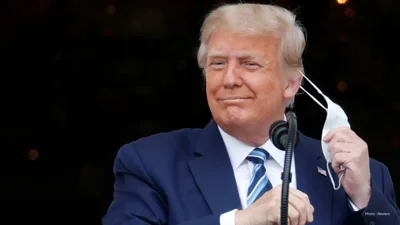
President Prabowo Subianto traveled to Washington to attend the signing ceremony and take part in a leaders’ meeting hosted by U.S. President Donald Trump. The two leaders signed a document titled “Implementation of the Agreement Toward a NEW GOLDEN AGE for the U.S.-Indonesian Alliance.” According to the White House, the agreement is expected to strengthen economic security and support growth in both countries.
For Indonesia, keeping the tariff at 19% instead of 32% avoids heavier pressure on exporters. Duty-free treatment for key agricultural and natural resource products could provide relief to farmers and producers. However, removing barriers for U.S. goods may also increase competition for Indonesian companies at home.
For the United States, the agreement improves access to Southeast Asia’s largest economy and strengthens supply links in important sectors such as energy and minerals.
Trade agreements often involve compromise, and this deal is no different. Both sides made adjustments to reach a middle ground. The real impact will depend on how the agreement is carried out and whether promised benefits reach businesses and workers in both countries.
At a time when global trade faces uncertainty, the new pact between Indonesia and the United States signals continued cooperation between the two nations. Whether it marks the start of a long-term economic boost will become clear in the months ahead.






Reopening of the Strait of Hormuz: New Regulations to Impact Global Trade
Iran reopens the strategic Strait of Hormuz with new regulations affecting oil transport and global

Top 10 Must-See Attractions in NYC for First-Time Explorers
Discover essential experiences for first-time visitors to NYC, including attractions, culture, and i

Starbucks Engages Boyu Capital for Major Chinese Expansion
Starbucks teams up with Boyu Capital, selling a majority stake to boost growth and adapt to the Chin
Three Individuals Charged in Massive Meth Trafficking Case in Malaysia
In Malaysia, a married couple and another suspect are charged with trafficking 510kg of meth, facing
Singapore Police Revisit Geylang Murder Scene with Suspect
In Geylang, police return a murder suspect to the scene of a crime involving the fatal stabbing of a