Post by : Saif Nasser
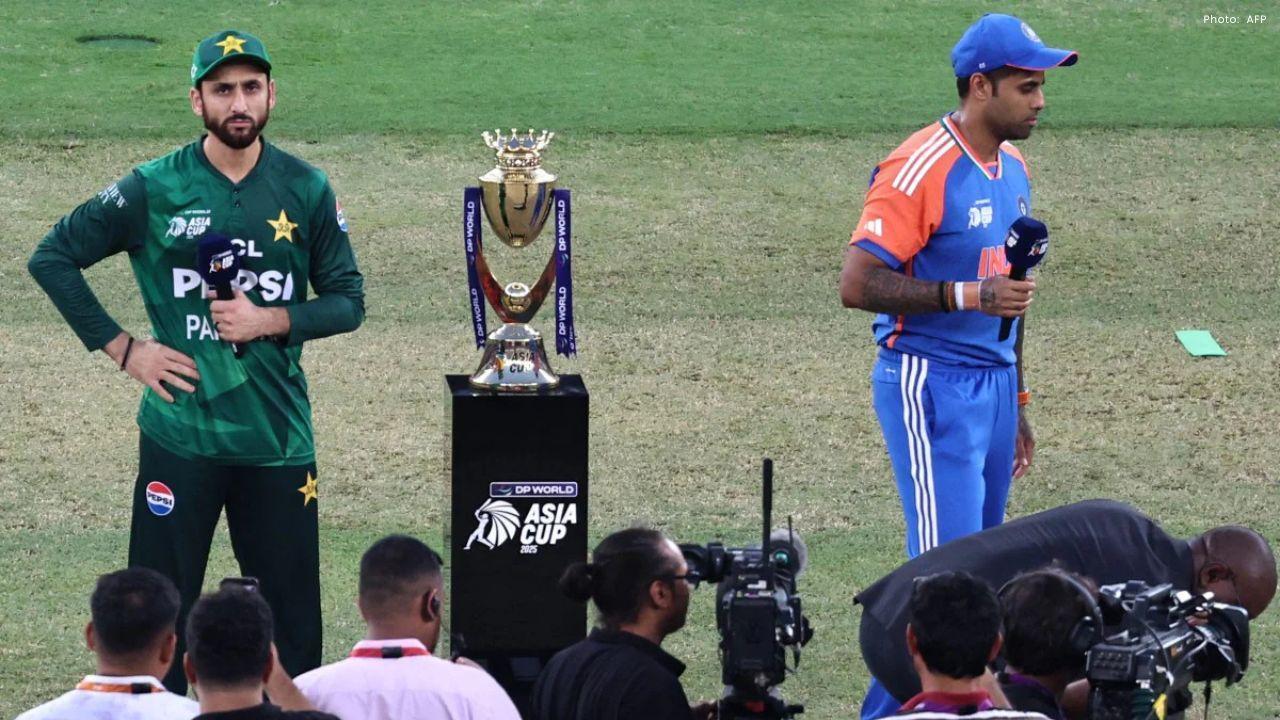
In today’s cricket world, some matches are far bigger than winning a trophy. The India versus Pakistan match at a T20 World Cup is one of them. It is not just a rivalry on the field. It is the biggest financial engine in global cricket. Now, the possibility that Pakistan may skip playing India has raised serious concerns across the sport.
Reports indicate that Pakistan may take part in the T20 World Cup but could avoid the match against India. If that happens, the impact will go far beyond politics or sporting points. The India–Pakistan T20 match is estimated to be worth around USD 500 million, or nearly Rs 4,500 crore, when television rights, advertising, sponsorships, ticket sales, and related commercial activity are all added together. No other single cricket match brings in this level of money.
For broadcasters, this match is the main attraction of the tournament. Advertising slots during an India–Pakistan game sell at extremely high prices, often much higher than even World Cup knockout matches involving other teams. If the match does not take place, broadcasters are expected to lose around Rs 300 crore in advertising revenue alone. Since broadcasters pay huge sums for tournament rights based on the certainty that such marquee matches will happen, a cancellation would sharply reduce the overall value of the World Cup.
When broadcasters lose money, they often seek compensation. This puts pressure on the ICC, which organises the tournament. Lower income at the ICC level means less money to share with member cricket boards. This does not only affect India and Pakistan. Smaller and developing cricket nations depend heavily on ICC funds for survival, training, and infrastructure. A financial shock at the top can quickly hurt these countries the most.
Both India and Pakistan are expected to lose around Rs 200 crore each if the match does not happen. For India, the loss would be significant but manageable. For Pakistan, the situation is much more serious. The Pakistan Cricket Board relies heavily on its share of ICC revenue. A voluntary withdrawal from a scheduled match is not protected under special circumstances. This means there may be no insurance cover and no legal protection.
As a result, Pakistan could face fines, delayed or withheld payments, and even legal claims from broadcasters. These losses could grow far beyond the immediate match revenue and continue for years. There is also a longer-term risk that is even more damaging than money. Trust plays a huge role in global sports business. Broadcasters and sponsors prefer certainty. If Pakistan matches are seen as risky or unpredictable, future deals involving Pakistan could be valued lower. Sponsors may step back, and broadcast rights linked to Pakistan games could lose value.
This reputational damage can quietly reduce earnings year after year. Cricket boards that are seen as reliable partners usually have a stronger voice when future commercial agreements are discussed. Those seen as uncertain often lose influence.
Amid all these numbers and contracts, fans are often forgotten. Thousands of supporters plan their travel, book hotels, and buy tickets mainly to watch the India–Pakistan clash. If the match is canceled, many fans will lose money and miss out on what they see as the biggest game in cricket.
Today, India versus Pakistan is no longer just a sporting contest. It is the financial backbone that helps global tournaments survive. Skipping this match would not only affect one World Cup but could send shockwaves through broadcasters, the ICC, cricket boards, sponsors, and fans worldwide. In the long run, Pakistan may end up paying the highest price, long after the tournament table is forgotten.








Anticipated Dates for UAE Eid Al Adha 2026 Unveiled by Astronomical Experts
Experts predict Eid Al Adha 2026 in the UAE to start on May 27, prompting early holiday planning amo

DAE Achieves Remarkable Growth in Q1 2026 With Record Revenue
Dubai Aerospace Enterprise announces impressive financial results for Q1 2026, reflecting a surge in

Price Increase for Sony PS5 in Southeast Asia Effective May 1
Sony announces a price increase for the PS5 across Southeast Asia starting May 1, 2026, impacting ga

Potential ‘Super El Niño’ in 2026: Understanding the Climate Risks
Could a Super El Niño emerge in 2026? Discover its implications and potential global climate impacts

Global Energy Crisis Intensifies: Markets React to Oil Supply Challenges
Markets are on edge as oil disruptions escalate, influencing prices and economic stability. Explore

Must-See Tourist Spots in London You Can't Overlook
Explore London's essential attractions, from royal landmarks to vibrant markets, ensuring an unforge




