Post by : Saif Nasser
India suffered a rare home setback as New Zealand defeated them 2-1 in the three-match ODI series. This was India’s first ODI series loss at home in three years, making the result even more painful for players and fans alike. After strong series wins against Australia and South Africa, expectations were high. However, New Zealand played smarter cricket and exposed several weaknesses in the Indian side.
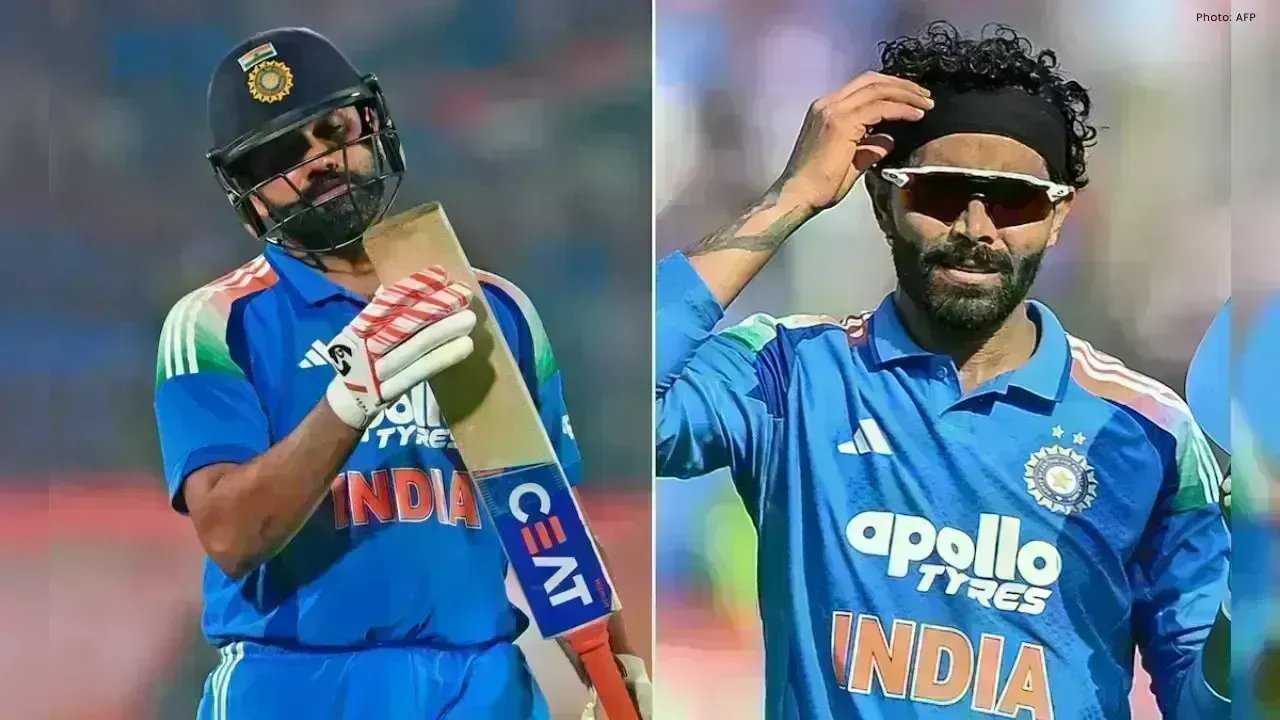
One of the biggest concerns was the form of Rohit Sharma at the top of the order. Known for his aggressive batting and ability to dominate the powerplay, Rohit struggled to find rhythm throughout the series. Instead of providing fast starts, he looked hesitant and cautious. This approach put extra pressure on his batting partners, especially Shubman Gill and Virat Kohli, who were forced to carry the responsibility of scoring runs early. Assistant coach Ryan ten Doeschate also hinted that Rohit looked short of match practice, which reflected clearly in his performances.
Ravindra Jadeja’s struggles added to India’s problems. Usually reliable with both bat and ball, Jadeja failed to make an impact in this series. His bowling in the middle overs lacked penetration, allowing New Zealand batters to score freely. In the final ODI, he gave away 41 runs in six overs without taking a wicket, which summed up his ineffective run. With the bat, his scores of 4, 27, and 12 raised serious questions about his form and role in the team. India missed the Jadeja who controls matches with calm and consistency.
The middle order’s collapse was another major reason behind the series defeat. In the deciding third ODI, India slipped from a steady 28 without loss to 71 for 4 within nine overs. Shreyas Iyer and KL Rahul could not handle the pressure created by New Zealand’s disciplined pace attack. Although Virat Kohli played a brilliant knock of 124 runs, he received little support from the rest of the batting lineup. Nitish Kumar Reddy showed courage with his quick 52, but the lack of partnerships meant India fell short when it mattered most.
Overall, the series exposed clear flaws in India’s ODI setup. Poor starts, ineffective all-round performances, and repeated middle-order failures proved costly against a well-organized New Zealand team. While defeats are part of sport, losing at home is always a warning sign. The team management now faces important decisions as it looks to correct these issues before future challenges.
This loss should serve as a lesson rather than a setback. With honest reflection, better planning, and improved performances from senior players, India can bounce back stronger. The talent is there, but consistency and responsibility will decide how the team moves forward.









Anticipated Dates for UAE Eid Al Adha 2026 Unveiled by Astronomical Experts
Experts predict Eid Al Adha 2026 in the UAE to start on May 27, prompting early holiday planning amo

DAE Achieves Remarkable Growth in Q1 2026 With Record Revenue
Dubai Aerospace Enterprise announces impressive financial results for Q1 2026, reflecting a surge in

Price Increase for Sony PS5 in Southeast Asia Effective May 1
Sony announces a price increase for the PS5 across Southeast Asia starting May 1, 2026, impacting ga

Potential ‘Super El Niño’ in 2026: Understanding the Climate Risks
Could a Super El Niño emerge in 2026? Discover its implications and potential global climate impacts

Global Energy Crisis Intensifies: Markets React to Oil Supply Challenges
Markets are on edge as oil disruptions escalate, influencing prices and economic stability. Explore

Must-See Tourist Spots in London You Can't Overlook
Explore London's essential attractions, from royal landmarks to vibrant markets, ensuring an unforge




