Post by : Saif Nasser
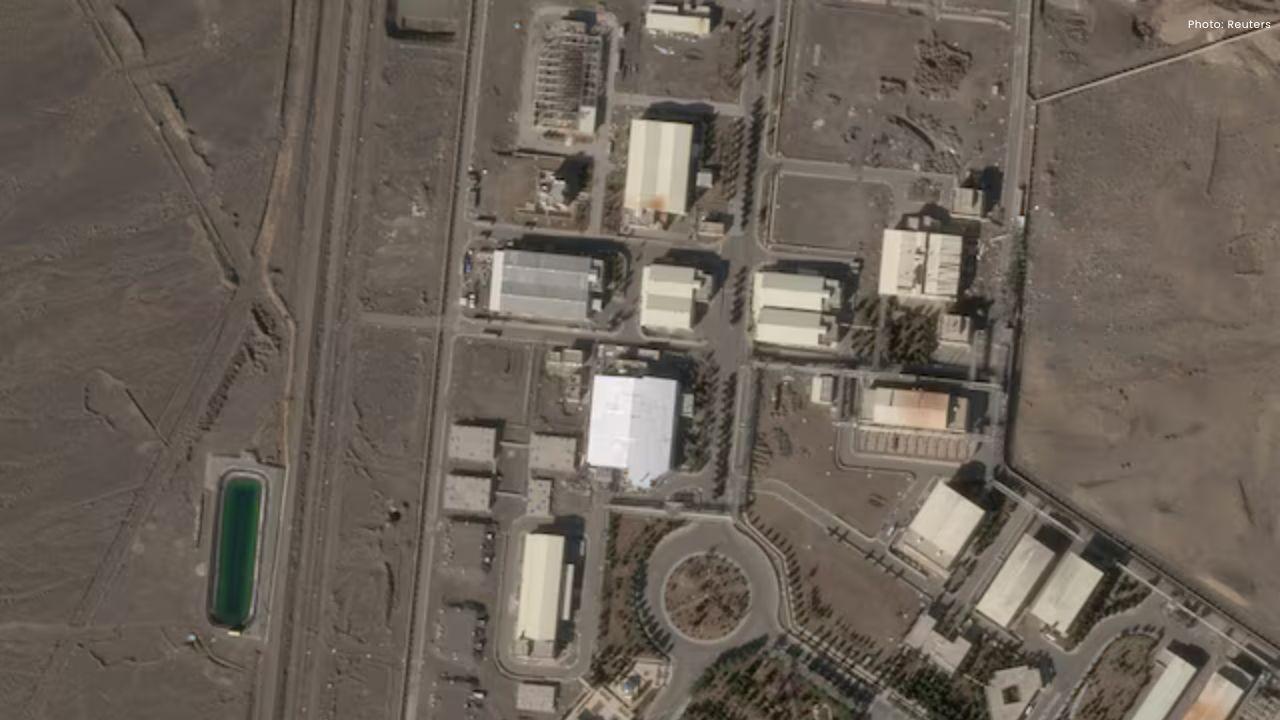
The United Nations’ atomic energy watchdog has said there is no sign that Iran’s nuclear sites were hit or damaged, even though Iran had claimed one of its facilities was struck. This difference in statements adds uncertainty to an already tense situation in the Middle East.
The International Atomic Energy Agency monitors nuclear facilities around the world to make sure they are safe and that countries follow agreed rules. After recent military strikes and rising conflict in the region, Iran had said that one of its nuclear sites was hit. The Iranian government expressed concern and claimed damage had occurred.
However, the IAEA reported that its inspections and checks have found no evidence that any major nuclear installation was struck. Its statement suggests that Iran’s nuclear facilities remain intact and that no confirmed damage has been detected so far.
This disagreement matters because Iran’s nuclear program is closely watched by many countries. Iran has nuclear energy and research facilities. Some nations worry that Iran might use its nuclear technology for weapons, though Iran says it only wants peaceful nuclear power. Because of this, any damage to nuclear sites could raise global concern about safety and the future of nuclear work in Iran.
The IAEA’s role is to provide independent and trusted information. It regularly inspects nuclear facilities and reports to member nations about safety, operations, and compliance with nuclear rules. Its recent statement was meant to clarify what it has found on the ground. According to the agency, nothing in its inspections shows destruction or damage to nuclear-related infrastructure from recent events.
Iran’s claim that one of its nuclear sites was hit was not supported by detailed evidence at the time. The government there warned that such attacks could have serious consequences and increase tensions further. Iran’s leaders have repeatedly criticized foreign strikes and said such actions threaten peace and security.
The fact that the IAEA did not find signs of attack does not fully close the issue. Independent experts say that disagreements over information are common in times of conflict. Different parties may release different accounts based on their own perspectives and interests. That is why independent monitoring by international organizations is important for transparency.
In recent weeks, the Middle East has seen rising military activity. Strikes by foreign forces, counterattacks, and broader regional tensions have heightened fears of wider conflict. As part of this atmosphere, reports about damage to strategic facilities — including nuclear sites — quickly attract strong reactions from governments and citizens alike.
Nuclear safety is a global concern because any hit to a nuclear facility can risk the release of dangerous radiation. When nuclear buildings or equipment are damaged, the consequences can affect people and the environment beyond national borders. For this reason, international oversight is often relied upon to confirm what really happened.
Experts say it is too early to draw final conclusions about the reports of damage. The IAEA has clear procedures for inspections, including visual checks, radiation measurements, and data analysis. These methods are designed to detect any changes or disruptions at nuclear sites.
Iran’s nuclear program has been at the center of international diplomacy for many years. Agreements in the past — including treaties and monitoring arrangements — were made to balance Iran’s right to peaceful nuclear energy with global concerns about safety and non-proliferation. The ongoing conflict and confusion about reports of damage underscore how fragile that balance can be.
Some countries have supported the IAEA’s findings, saying independent verification is essential to avoid misunderstandings. Others have called for calm and restraint to prevent misinformation from increasing tensions.
For the average person, the technical details of nuclear site monitoring can seem distant. But the larger issue is about safety and peace. When a country’s nuclear facilities are involved in conflict, the risk of accidents or miscalculations rises. International bodies like the IAEA work to reduce that risk by providing clear and factual reports.
The disagreement between Iran’s claim and the IAEA’s findings shows how different narratives can emerge during conflict. It also highlights the importance of independent institutions that monitor and report based on evidence.
As tensions continue to evolve in the region, attention is likely to remain on nuclear facilities, military operations, and diplomatic efforts to reduce conflict. The world will be watching to see whether further inspections confirm the IAEA’s statement and how Iran responds to independent assessments.
The ultimate goal of international monitoring is to ensure that nuclear technology is used safely and peacefully. In times of conflict, that mission becomes even more vital. Clear, unbiased information helps governments, organizations, and ordinary people understand what is happening and make informed decisions that protect safety and security.








Reopening of the Strait of Hormuz: New Regulations to Impact Global Trade
Iran reopens the strategic Strait of Hormuz with new regulations affecting oil transport and global

Top 10 Must-See Attractions in NYC for First-Time Explorers
Discover essential experiences for first-time visitors to NYC, including attractions, culture, and i

Starbucks Engages Boyu Capital for Major Chinese Expansion
Starbucks teams up with Boyu Capital, selling a majority stake to boost growth and adapt to the Chin

Three Individuals Charged in Massive Meth Trafficking Case in Malaysia
In Malaysia, a married couple and another suspect are charged with trafficking 510kg of meth, facing

Singapore Police Revisit Geylang Murder Scene with Suspect
In Geylang, police return a murder suspect to the scene of a crime involving the fatal stabbing of a