Post by : Anees Nasser
This week witnessed the rollout of various housing repair initiatives by municipalities aimed at aiding families in crucial home maintenance, enhancing safety, and preserving older residences. These programs address the escalating concerns surrounding structural decay, increased repair expenses, unpredictable weather patterns, and the growing divide between homeowners capable of managing repairs and those who struggle.
The recently launched packages emphasize affordability, accessibility, and prompt action. They reveal a deeper understanding that well-kept homes are essential for both individual well-being and community resilience. Families facing repair burdens, older residents in deteriorating homes, and low-to-moderate income households are expected to be the primary beneficiaries of these initiatives.
Municipal authorities have asserted that these programs do more than fix immediate issues; they aim to create resilient homes capable of withstanding environmental challenges, lower long-term costs for owners, and reinforce neighbourhood stability.
Recent trends have prompted municipalities to expedite their housing repair assistance offerings. Escalating material costs and a shortage of skilled labour have made vital maintenance increasingly unaffordable, compelling many homeowners to postpone necessary repairs. Moreover, unexpected weather events—such as heavy rain, cold snaps, and early heatwaves—have exacerbated wear and tear on properties.
Community welfare departments have reported a concerning trend: minor, manageable repairs are escalating into significant safety concerns because families cannot afford timely interventions. In acknowledgment of these risks, municipalities have implemented urgent support mechanisms to ensure essential home maintenance.
A focus on energy efficiency has become increasingly crucial. Many aging houses grapple with inadequate insulation, outdated electrical systems, and inefficient plumbing. The newly introduced repair programs include contemporary solutions that enhance both safety and energy efficiency, thereby reducing long-term expenses for residents.
While the programs launched this week differ regionally, they share a unified goal: to provide both financial aid and expert guidance. Significant offerings include:
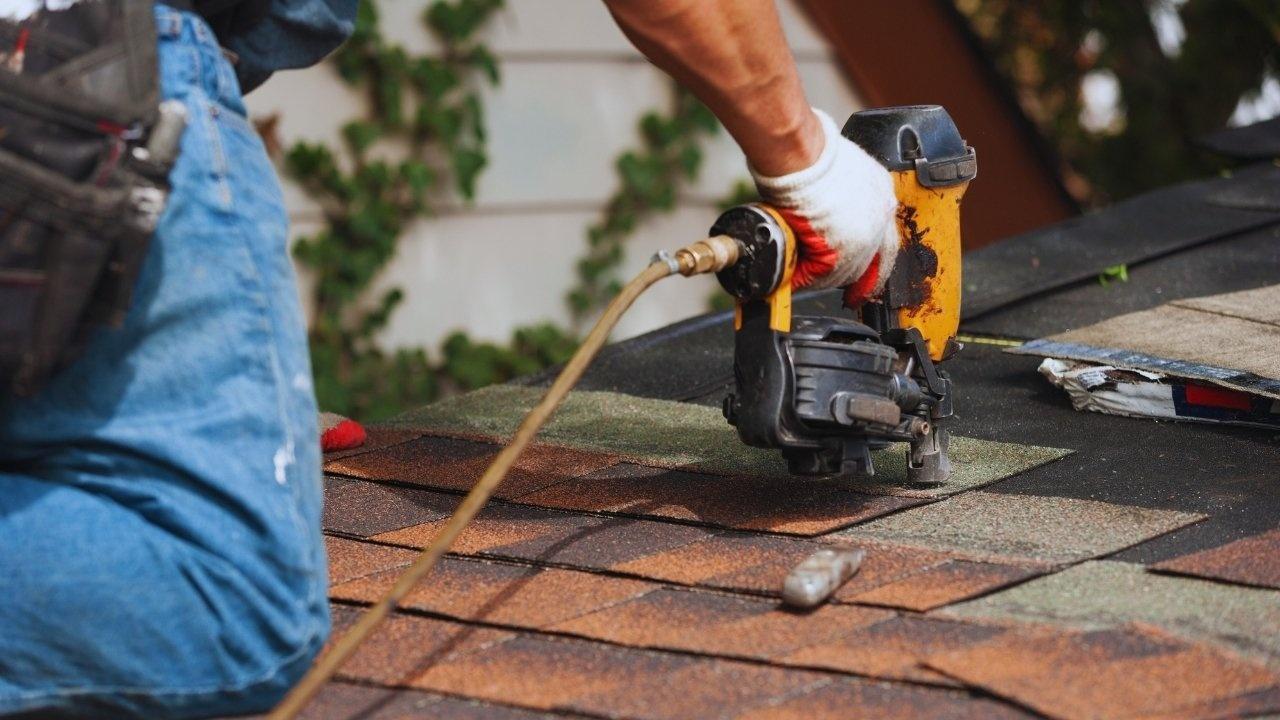
Municipalities are now providing partial or full grants for essential repairs including roof reinforcement, plumbing updates, electrical rewiring, damp-proofing, and structural fixes. These grants are specifically targeted at families with limited financial means or those living in hazardous conditions.
For households that do not qualify for grants but face financial strain, low-interest loans are being made available. These loans cover more extensive repair projects with flexible repayment terms.
Trained municipal teams are conducting home evaluations to identify repair necessities, prioritize urgent concerns, and guide homeowners towards safe and economical solutions. This strategy ensures that repairs are more than merely cosmetic.
Certain municipalities have initiated rapid-response units that address urgent issues like damaged roofs, exposed wiring, or unstable walls. These teams act promptly, particularly for elderly residents or households with young children.
To mitigate high material prices, partnerships with suppliers are being established, enabling municipalities to offer subsidized rates on cement, metal sheets, insulation, and plumbing fixtures.
Recognizing the long-term benefits linked to lowered utility bills, several programs incorporate support for installing energy-efficient lighting, enhanced roofing insulation, and improved ventilation.
Municipalities acknowledge that housing needs are varied; thus, the support packages unveiled this week are tailored to cater to different living circumstances:
Families facing daily financial challenges often defer home repairs until emergencies arise. The programs include high-subsidy grants and doorstep technical consultations for such families.
Seniors living independently encounter mobility and affordability issues. Municipalities have instituted priority services for older adults—expedited inspections, no-cost minor repairs, and safety enhancements such as grab bars and non-slip surfaces.
Older homes require significant structural interventions. New programs focus on foundation reinforcement, waterproofing, roof stabilization, and addressing wall cracks, enhancing safety and preventing long-term damage.
Homes located in regions prone to storms, floods, or excessive heat are receiving specialized aid. Engineers assess these structures to identify vulnerabilities and recommend protective measures.
In some areas, new regulations ensure landlords address safety concerns more swiftly, enabling tenants to escalate urgent issues for municipal intervention, if necessary.
Well-maintained homes uplift entire communities. When families can address structural challenges without incurring overwhelming debt, neighborhoods experience increased safety and stability. This week's initiatives underscore a range of long-term advantages:
Decreased accident and structural failure risks
Reduced healthcare costs owing to enhanced indoor conditions
Improved resilience against extreme weather
Increased property values and neighborhood cohesion
More energy-conscious communities
Heightened resilience to future challenges
Home repairs also bolster local economies—contractors, electricians, masons, and hardware suppliers benefit from the heightened activity spurred by these municipal initiatives.
Initial feedback has been overwhelmingly positive. Many families who had delayed repairs due to financial constraints are now actively scheduling assessments. Seniors, typically reluctant to seek help, are increasingly engaging owing to simplified processes and direct assistance avenues.
Working individuals value the adaptable loan schemes, while single parents appreciate the free assessments that clarify repair priorities without incurring high private evaluation costs.
Local contractors and small businesses are also recognizing new opportunities stemming from the surge in repair activities initiated by these initiatives.
Despite the strong response, several challenges remain:
High demand resulting in service delays
Shortage of qualified repair technicians in specific areas
Budgetary constraints for grant-based aid
Logistical hurdles during severe weather events
Identifying urgent cases amidst large populations
Municipalities are tackling these challenges through phased rollouts, collaborations with local construction networks, volunteer engineers, and digital systems for more efficient case prioritization.
Technology is increasingly integral to this week’s initiatives. Municipalities have harnessed digital platforms where residents can:
Submit maintenance requests
Upload photos depicting damage
Track the status of their applications
Receive estimations of costs
Arrange for inspections
Some areas are experimenting with AI-driven tools to pinpoint potential structural issues from images. Mobile applications are also streamlining updates, notifications, and emergency responses.
The initiatives launched this week signify a proactive approach to urban development. Municipalities are evolving from reactive fixes to designing residences capable of adapting to environmental shifts while minimizing long-term maintenance strains. Over time, these programs could expand to include:
Annual home safety evaluations
Government-supported home insurance initiatives
Incentives for climate-resilient construction
Neighbourhood repair volunteer programs
Community workshops for teaching essential DIY skills
This comprehensive strategy aims to cultivate stronger and more sustainable living conditions for all.
The latest housing repair programs launched this week reflect a firm commitment by municipalities to enhance living standards, support at-risk households, and build community resilience. Through the provision of financial aid, professional expertise, and rapid-response capabilities, these initiatives are designed to diminish risks, foster safety, and bolster long-term stability in homes. Now, families can better access the resources and assistance needed to maintain their residences with confidence and affordability.
This article is intended solely for informational purposes and does not serve as a substitute for official legal or financial advice.










Anticipated Dates for UAE Eid Al Adha 2026 Unveiled by Astronomical Experts
Experts predict Eid Al Adha 2026 in the UAE to start on May 27, prompting early holiday planning amo

DAE Achieves Remarkable Growth in Q1 2026 With Record Revenue
Dubai Aerospace Enterprise announces impressive financial results for Q1 2026, reflecting a surge in

Price Increase for Sony PS5 in Southeast Asia Effective May 1
Sony announces a price increase for the PS5 across Southeast Asia starting May 1, 2026, impacting ga

Potential ‘Super El Niño’ in 2026: Understanding the Climate Risks
Could a Super El Niño emerge in 2026? Discover its implications and potential global climate impacts

Global Energy Crisis Intensifies: Markets React to Oil Supply Challenges
Markets are on edge as oil disruptions escalate, influencing prices and economic stability. Explore

Must-See Tourist Spots in London You Can't Overlook
Explore London's essential attractions, from royal landmarks to vibrant markets, ensuring an unforge




