Post by : Saif Nasser
The global fight against HIV/Aids is facing one of its toughest moments in years. New assessments from international health agencies show that deep funding cuts in 2025 have shaken the entire support system meant to protect millions of people. Clinics have closed, testing has slowed, and life-saving services have weakened, especially in parts of Africa where many depend heavily on international aid.
In several countries, the scenes are worrying. In Mozambique, a teenage girl who survived sexual assault went to a clinic seeking urgent care but found the doors locked. In Zimbabwe, health workers say AIDS-related deaths are starting to rise again after years of steady decline. Ethiopia and the Democratic Republic of the Congo have reported long periods without HIV test kits, making early detection almost impossible. These disruptions are not random—they are directly linked to major reductions in funding from some of the world’s biggest donors.
At the start of 2025, the Trump administration halted overseas health spending, causing a shock to the global HIV network. Although a part of the funding was later restored, it was not enough to fill the gap. The UK and several European nations also introduced their own cuts. According to analysts, the result is a dramatic drop: total external support for HIV/Aids programmes in 2025 is down by about one-third compared with 2023. Winnie Byanyima, the head of UNAIDS, described the situation as an “ecosystem shaken to its core,” affecting dozens of low-income countries.
Experts warn that the world is now heading toward a dangerous future. UNAIDS projects that if funding is not restored quickly, the world could see an additional 3.3 million HIV infections by 2030. The most serious damage is happening in prevention programmes—the services that help people avoid infection in the first place. A recent review showed that in Burundi, for example, the number of people receiving preventive medicines has dropped by more than half. Similar patterns are being seen in many other countries.
Community groups, which often work directly with people at high risk, are also struggling. A series of studies by Frontline Aids covering Kenya, Malawi, Angola, Mozambique, Nigeria, Tanzania, Uganda, and Zimbabwe shows stalled outreach programmes, closed safe spaces, and shrinking support for groups that need it most. These include people who inject drugs, sex workers, LGBTQ+ communities, transgender people, and those living in prisons. For years, special services for these groups were responsible for major progress in reducing infections. Now, with many of these programmes cut off, health workers say it will take a long time to rebuild the trust and networks that once existed.
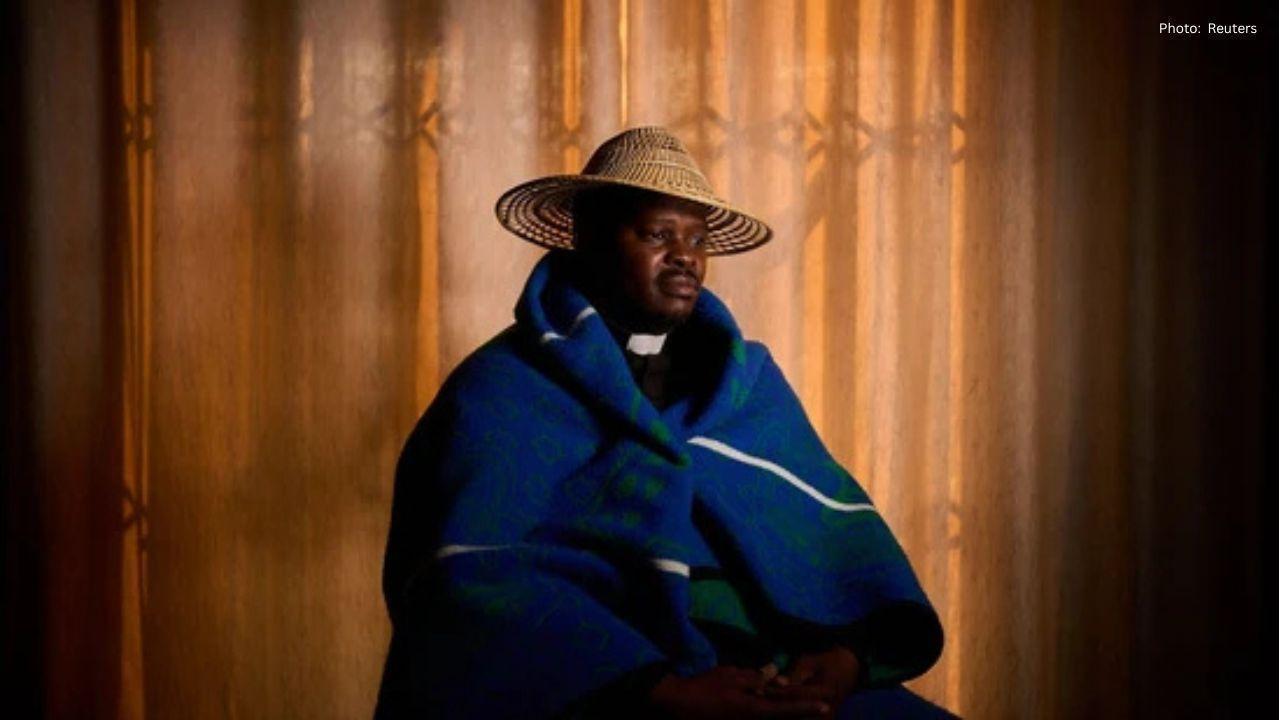
One LGBTQ+ respondent in Uganda told researchers that the loss of safe spaces has left people “isolated and exposed.” This isolation is especially dangerous because it reduces access to information, counselling, medicines, and protection.
Still, there are some signs of hope. Countries like Nigeria, Uganda, Côte d’Ivoire, South Africa, and Tanzania have promised to increase their own spending on HIV services. UNAIDS also points to new treatment options, such as long-acting injectable medicines, which could make life easier for many patients. But experts caution that these positive steps may not be enough to reverse the damage already done. John Plastow of Frontline Aids warned that progress is already “slipping backwards,” even though some governments are starting to rethink their strategies.
The current crisis shows how fragile the global fight against HIV/Aids remains. For many people, especially in countries with limited resources, international funding is not a bonus—it is a lifeline. When that support weakens, the impact is immediate and often devastating. If funding does not return to stable and predictable levels, millions could face new infections, and countries may lose years of hard-won progress. The warnings from experts are clear: the world cannot afford to ignore this growing emergency.



Price Increase for Sony PS5 in Southeast Asia Effective May 1
Sony announces a price increase for the PS5 across Southeast Asia starting May 1, 2026, impacting ga

Potential ‘Super El Niño’ in 2026: Understanding the Climate Risks
Could a Super El Niño emerge in 2026? Discover its implications and potential global climate impacts

Global Energy Crisis Intensifies: Markets React to Oil Supply Challenges
Markets are on edge as oil disruptions escalate, influencing prices and economic stability. Explore

Must-See Tourist Spots in London You Can't Overlook
Explore London's essential attractions, from royal landmarks to vibrant markets, ensuring an unforge

Ultimate Guide to Snagging Cheap Flights in 2026
Unlock the secrets to booking affordable flights in 2026 with insightful tips and strategies tailore

The Impact of Consistent Small Investments on Wealth Building
Discover how investing small amounts regularly can positively transform your financial future over t