Post by : Priya
Photo:Reuters
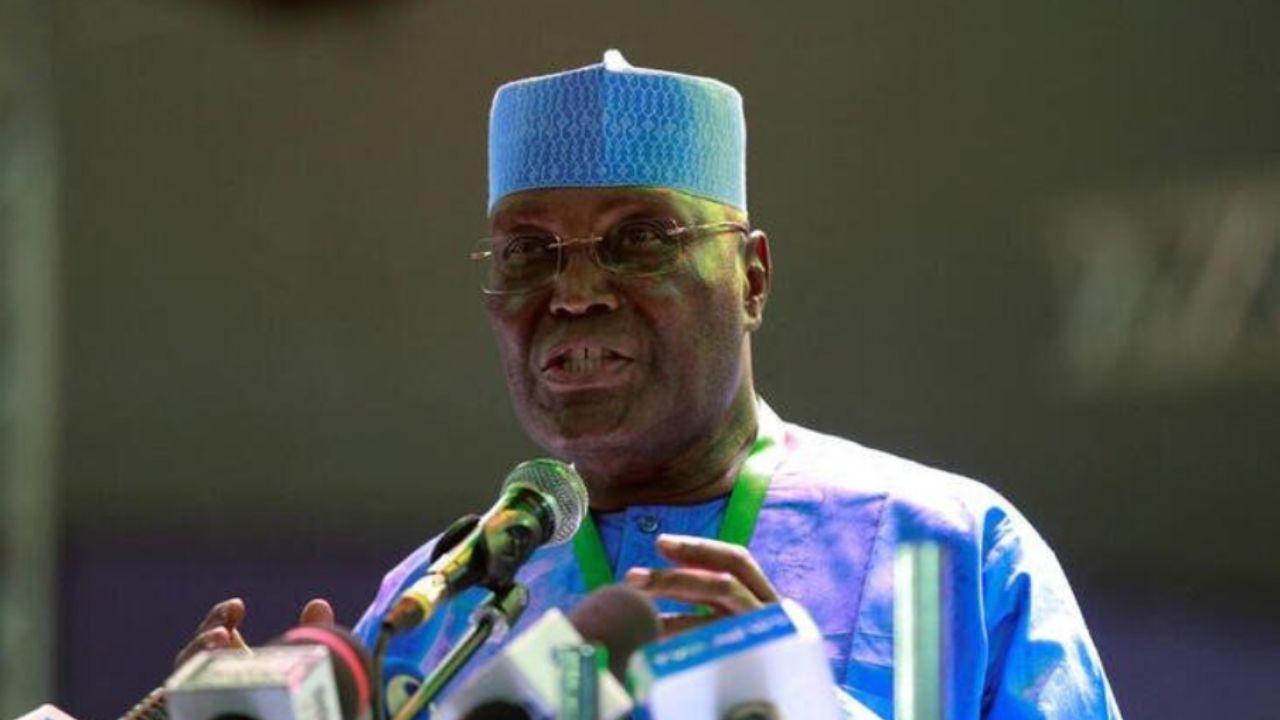
In a powerful and determined move, Nigeria’s President Bola Ahmed Tinubu has inaugurated a high-level anti-corruption task force to confront what many believe to be the country’s most deep-rooted and damaging challenge—corruption. The new national task force, which has been formally launched in Abuja, will focus on rooting out corrupt practices in public institutions, government offices, and the civil service.
This initiative, part of a broader effort to bring honesty and accountability back into governance, is being described as one of the most serious anti-corruption drives in Nigeria’s modern history. President Tinubu’s speech at the event sent a direct message to both government workers and the general public: corruption will no longer be ignored or excused, and offenders will be held accountable—regardless of their status or political connections.
Understanding the Challenge: Why Corruption Hurts Nigeria
For many decades, corruption has slowed Nigeria’s development, weakened its institutions, and robbed citizens of their future. Billions of naira meant for schools, hospitals, roads, and electricity have disappeared into the pockets of dishonest officials. Public trust in government has dropped to record lows, and ordinary Nigerians continue to suffer from poor infrastructure, high unemployment, and underfunded public services.
International reports, such as Transparency International’s Corruption Perceptions Index, have frequently ranked Nigeria among the most corrupt nations in the world. Although there have been past efforts to clean up the system, many of these campaigns failed due to weak enforcement, political interference, and lack of follow-through.
The message from the new administration is clear: this time, it will be different.
President Tinubu’s Commitment to Reform
During the inauguration ceremony, President Tinubu spoke firmly and emotionally about the need for honesty and transparency in public service. He acknowledged the pain that corruption has caused the Nigerian people and promised swift and fair action.
“We are not launching another program that will sit in silence. This task force will act, and it will act fast,” Tinubu stated. “There is no place in this government for those who steal, cheat, or betray the public’s trust.”
The president outlined five key goals for the new anti-corruption team:
Investigate and Prosecute Corrupt Officials – The task force will focus on high-level corruption cases and ensure they are taken to court, regardless of who is involved.
Protect Whistleblowers – Citizens who report corruption will receive protection and rewards, encouraging more people to come forward with valuable information.
Recover Stolen Funds – The team will work with local and international partners to trace and recover money that has been illegally taken from public funds.
Ensure Transparency in Public Spending – From government contracts to local development funds, the task force will monitor how money is spent and ensure all projects are properly executed.
Promote Ethical Standards in Public Service – Civil servants will receive training in ethics, and strict rules will be enforced to prevent bribery, favoritism, and other bad practices.
The Structure of the Task Force
The task force will include experienced investigators, legal experts, auditors, and representatives from the Economic and Financial Crimes Commission (EFCC) and the Independent Corrupt Practices and Other Related Offences Commission (ICPC). It will operate independently, with direct reporting to the Office of the President.
The federal government has promised full funding, modern tools, and access to all records needed for the task force to do its job effectively. Offices will also be set up in all 36 states, allowing citizens to report cases of corruption directly and in confidence.
Public Response: Hope Mixed with Skepticism
The reaction from across Nigeria has been mixed but largely hopeful. Many citizens, worn out by past disappointments, have expressed cautious optimism. Social media was flooded with reactions shortly after the announcement.
Chinonso Eze, a university lecturer in Enugu, said:
“We’ve seen campaigns like this before, but what we need now is action, not words. If the government arrests even one big-name corrupt official, people will start to believe.”
Halima Musa, a civil society worker in Maiduguri, added:
“This is a step in the right direction. Fighting corruption is the key to ending poverty and insecurity. Let’s give them a chance.”
Civil rights groups, religious leaders, and youth activists have also called for patience and support. They emphasize the need for judicial independence so that cases can be handled fairly and quickly without political influence.
Global Praise and International Support
Nigeria’s renewed focus on anti-corruption has received praise from international partners. The United Nations, African Union, and several Western countries have welcomed the creation of the task force. Many have pledged technical support, training, and intelligence-sharing to assist in the recovery of stolen assets hidden abroad.
An EU official, speaking on condition of anonymity, said:
“This is the kind of leadership Africa needs. If Nigeria succeeds in tackling corruption, it could lead the way for many other countries facing the same problems.”
The World Bank and International Monetary Fund (IMF) have also voiced support, noting that successful anti-corruption reforms could attract more foreign investment and boost Nigeria’s economic growth.
A History of Broken Promises: Will This Time Be Different?
This is not Nigeria’s first attempt to fight corruption. From military regimes to democratic administrations, past governments have launched various anti-corruption agencies and campaigns. While a few major figures have been prosecuted over the years, the overall impact has often been minimal.
One major problem has been political interference. Some officials were protected from investigation due to their connections, while whistleblowers were sometimes ignored or punished. Another issue was the slow pace of justice—some corruption cases dragged on for years with no final verdict.
President Tinubu’s challenge will be to overcome these problems and build a system that works fairly for all Nigerians. To succeed, the task force must be independent, fearless, and supported by strong laws.
The Economic Impact of Corruption
Economists agree that corruption has played a major role in keeping Nigeria from reaching its full potential. In addition to stealing public funds, corruption leads to inflated contracts, poor-quality infrastructure, and lack of investment.
Each year, Nigeria loses billions of dollars to illegal financial flows, according to estimates from the African Development Bank. These losses affect everything from school budgets to healthcare programs and job creation.
If the anti-corruption task force can plug these holes, the savings could be used to fund roads, power projects, small business loans, and social welfare programs.






Price Increase for Sony PS5 in Southeast Asia Effective May 1
Sony announces a price increase for the PS5 across Southeast Asia starting May 1, 2026, impacting ga

Potential ‘Super El Niño’ in 2026: Understanding the Climate Risks
Could a Super El Niño emerge in 2026? Discover its implications and potential global climate impacts

Global Energy Crisis Intensifies: Markets React to Oil Supply Challenges
Markets are on edge as oil disruptions escalate, influencing prices and economic stability. Explore

Must-See Tourist Spots in London You Can't Overlook
Explore London's essential attractions, from royal landmarks to vibrant markets, ensuring an unforge

Ultimate Guide to Snagging Cheap Flights in 2026
Unlock the secrets to booking affordable flights in 2026 with insightful tips and strategies tailore

The Impact of Consistent Small Investments on Wealth Building
Discover how investing small amounts regularly can positively transform your financial future over t