Post by : Saif Nasser
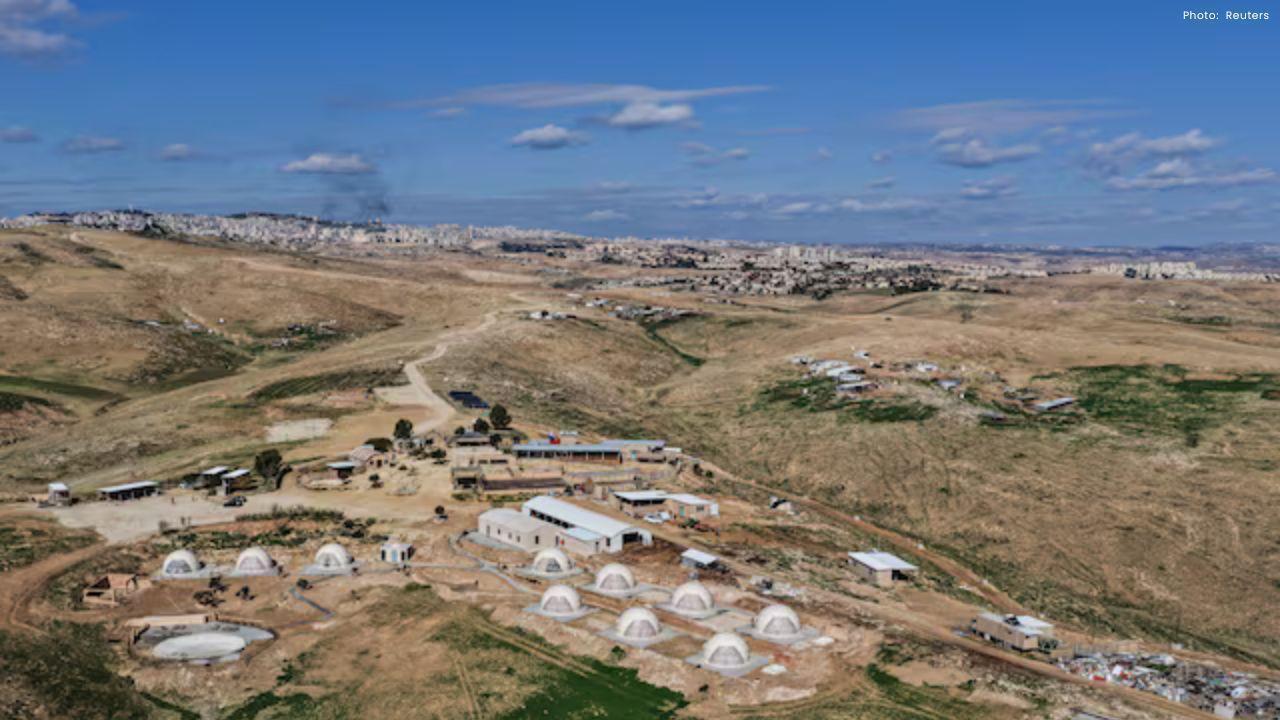
A group of foreign ministers from nearly 20 countries has strongly criticized Israel over its recent decisions in the West Bank. In a joint statement, these leaders said the new steps threaten peace efforts and go against international law.
The West Bank is a territory that Palestinians hope will become part of a future independent state. Israel has controlled the area since the 1967 Middle East war. Over the years, Israeli settlements have been built there, which has caused long-running disputes between Israelis and Palestinians.
According to the joint statement, Israel recently approved measures that make it easier to expand settlements and reclassify certain lands as state property. The foreign ministers said these actions could amount to what they described as “annexation in practice.” This means treating land as if it belongs permanently to one country without a formal agreement.
The statement was supported by leaders from different regions, including parts of Europe, the Middle East, and South America. Major regional organizations also joined in the criticism. The leaders said the new policies could seriously damage the chances of achieving peace.
Many countries support what is known as the two-state solution. This idea proposes that Israel and a future Palestinian state should exist side by side in peace. However, critics argue that expanding settlements and changing land rules in the West Bank make it harder to create clear borders for two separate states.
The foreign ministers stressed that international law must be respected. They warned that changing the status of land in occupied territories can increase tension and reduce trust between the two sides. Trust is seen as a key part of any future peace agreement.
Israel has defended its decisions, saying they are based on legal and security considerations. However, many governments believe these steps move the region further away from stability rather than closer to it.
The situation in the West Bank remains one of the most sensitive issues in global politics. For decades, efforts have been made to bring Israelis and Palestinians to the negotiating table. While there have been periods of hope, lasting peace has not yet been achieved.
The recent condemnation from foreign ministers shows that the international community is watching closely. Many leaders are urging both sides to return to talks and avoid actions that could deepen divisions.
Peace in the region will require careful dialogue, compromise, and respect for international agreements. Without these, experts fear that tensions may continue to rise, affecting not only those living in the area but also stability across the wider Middle East.









Reopening of the Strait of Hormuz: New Regulations to Impact Global Trade
Iran reopens the strategic Strait of Hormuz with new regulations affecting oil transport and global

Top 10 Must-See Attractions in NYC for First-Time Explorers
Discover essential experiences for first-time visitors to NYC, including attractions, culture, and i

Starbucks Engages Boyu Capital for Major Chinese Expansion
Starbucks teams up with Boyu Capital, selling a majority stake to boost growth and adapt to the Chin

Three Individuals Charged in Massive Meth Trafficking Case in Malaysia
In Malaysia, a married couple and another suspect are charged with trafficking 510kg of meth, facing

Singapore Police Revisit Geylang Murder Scene with Suspect
In Geylang, police return a murder suspect to the scene of a crime involving the fatal stabbing of a