Post by : Sami Jeet
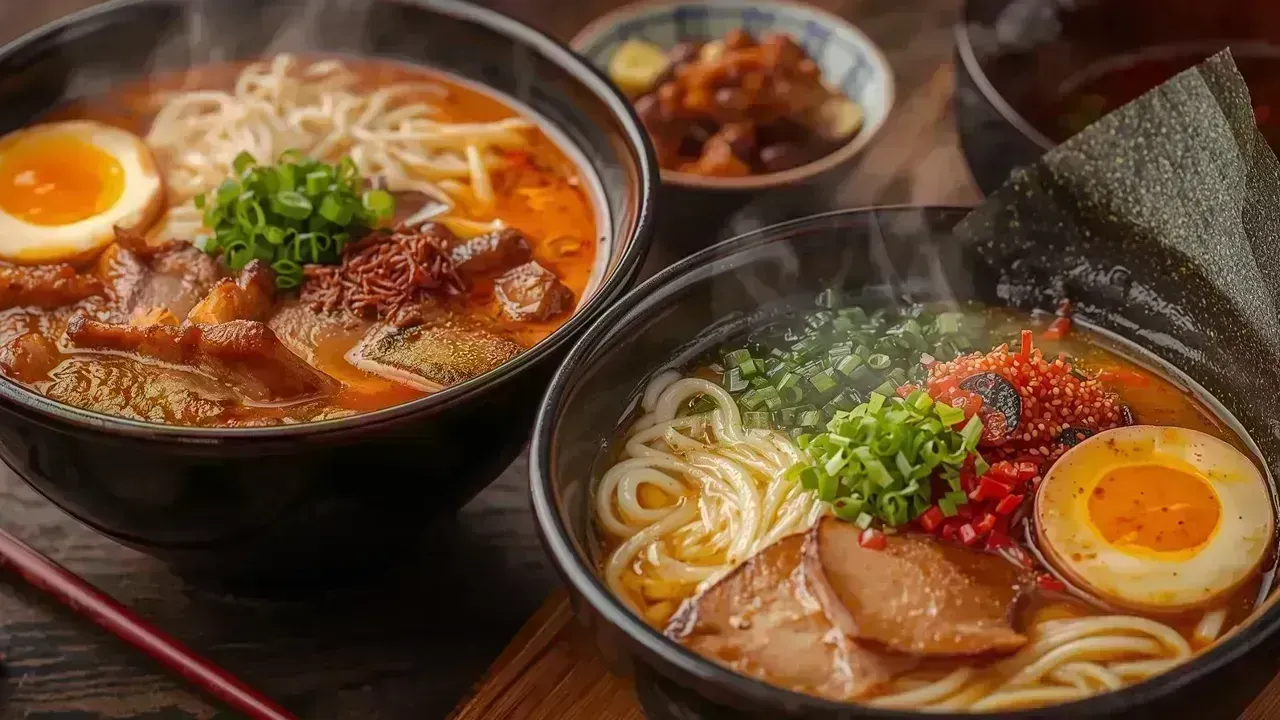
Japanese ramen transcends being a mere noodle dish in broth; it encapsulates a rich cultural heritage with numerous regional variations influenced by local ingredients and climate. This comprehensive guide introduces popular ramen styles like Tonkotsu, Shoyu, and Miso, perfect for food enthusiasts and travelers eager to expand their culinary horizons.
Four key elements define ramen's diversity: broth base, seasoning (tare), noodles, and toppings. Different areas have unique preferences, often dictated by local ingredients and climatic conditions, with regions prone to cold weather favoring richer, heartier broths.
Originating from Fukuoka, Tonkotsu ramen features a rich, creamy broth created by boiling pork bones for hours, resulting in an intensely flavorful experience.
Broth Characteristics
Thick, opaque pork bone broth
Deep umami essence with a pleasantly rich texture
Noodles
Thin, straight noodles that complement the robust broth
Toppings
Chashu pork slices
Soft-boiled egg
Green onions
Wood ear mushrooms
Tonkotsu is a hearty and satisfying option, especially for those who appreciate intense flavors and creamy mouthfeel.
Shoyu is a classic and widely enjoyed ramen variety that originated in Tokyo, recognizable by its clear, brown broth infused with soy sauce.
Broth Characteristics
Light to medium-bodied broth derived from chicken, seafood, or a combination of both
Savory taste profile enhanced by soy sauce
Noodles
Medium-thin, slightly curled noodles
Toppings
Chashu pork
Bamboo shoots
Nori seaweed
Green onions
Shoyu offers a comforting, well-balanced flavor, making it a great choice for those seeking a traditional ramen experience.
Originating in Hokkaido, Miso ramen is well-suited to colder climates due to its hearty and warming qualities.
Broth Characteristics
Rich broth crafted from fermented soybean paste
Deep, slightly sweet and salty flavor
Noodles
Thick, spiraled noodles designed to hold the dense broth
Toppings
Corn
Butter
Bean sprouts
Ground pork
Miso ramen is filling and robust, a perfect warm meal choice for cold days.
Shio ramen stands out as the lightest ramen version, using salt to accentuate the broth's natural flavors.
Broth Characteristics
Clear, light, and refreshingly palatable
Commonly chicken or seafood-based
Noodles
Thin, straight noodles
Toppings
Chicken slices
Fish cake
Seaweed
Green onions
Shio is ideal for those who prefer a lighter, more subtle ramen experience.
Beyond the prominent varieties, Japan's regional ramen showcases local creativity.
Hakata ramen (Fukuoka) combines Tonkotsu with ultra-thin noodles; Sapporo ramen (Hokkaido) features a miso base with corn and butter; Kitakata ramen (Fukushima) enhances soy broth with thick, flat noodles; Onomichi ramen (Hiroshima) pairs soy sauce broth with chicken and small fish, topped with a layer of pork fat; and Wakayama ramen mixes soy sauce and pork bone broth.
These variations mirror local tastes and add excitement to ramen exploration in Japan.
The choice of noodles is critical, as their thickness and texture greatly impact overall flavor.
Thin noodles excel in rich broths, while thicker or curly varieties suit heavy soups. Many ramen restaurants allow patrons to customize noodle firmness, especially in Tonkotsu dishes.
Toppings vary widely by region, typically including pork slices, eggs, seaweed, and green onions, with some areas featuring butter, corn, or seafood. Diners often enjoy customizing spice levels and garlic use, as well as noodle textures.
For those trying ramen for the first time, Shoyu is often a safe choice due to its balanced nature. Those who favor rich soups might lean towards Tonkotsu, while miso ramen appeals to visitors in colder locales. Shio ramen provides a lighter option.
Eating ramen is traditionally a quick affair, ideally while it’s hot. Slurping is not only acceptable but encouraged, as it enhances taste and cools the noodles. Many ramen establishments emphasize quick dining rather than leisurely meals.
The diversity of Japanese ramen highlights regional culture, climate, and culinary creativity. Tonkotsu features richness, Shoyu offers balance, Miso gives depth and warmth, while regional varieties promise endless discoveries. Indulging in different ramen types allows one to experience Japan through its cherished culinary tradition.
This article is intended for informational purposes. Ramen recipes, flavors, and cooking methods might differ by location and restaurant. Taste is subjective, and availability may vary with seasons and regions.










Anticipated Dates for UAE Eid Al Adha 2026 Unveiled by Astronomical Experts
Experts predict Eid Al Adha 2026 in the UAE to start on May 27, prompting early holiday planning amo

DAE Achieves Remarkable Growth in Q1 2026 With Record Revenue
Dubai Aerospace Enterprise announces impressive financial results for Q1 2026, reflecting a surge in

Price Increase for Sony PS5 in Southeast Asia Effective May 1
Sony announces a price increase for the PS5 across Southeast Asia starting May 1, 2026, impacting ga

Potential ‘Super El Niño’ in 2026: Understanding the Climate Risks
Could a Super El Niño emerge in 2026? Discover its implications and potential global climate impacts

Global Energy Crisis Intensifies: Markets React to Oil Supply Challenges
Markets are on edge as oil disruptions escalate, influencing prices and economic stability. Explore

Must-See Tourist Spots in London You Can't Overlook
Explore London's essential attractions, from royal landmarks to vibrant markets, ensuring an unforge




