Post by : Saif Nasser
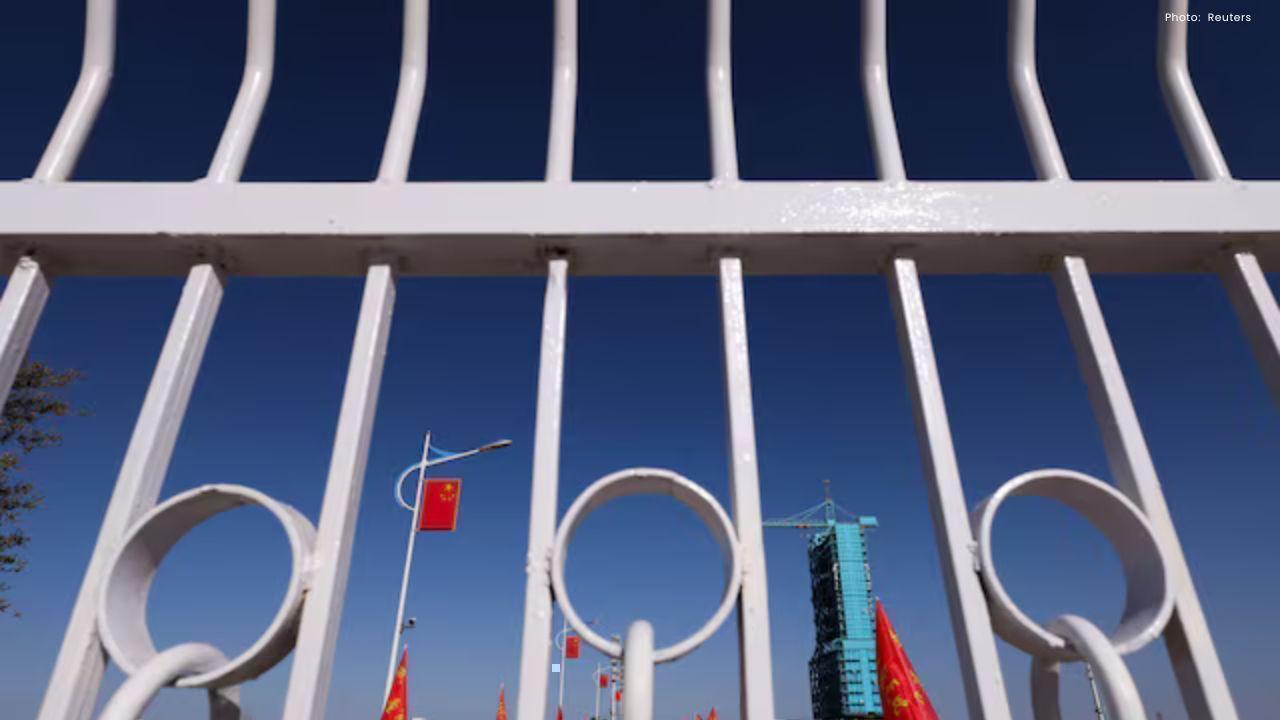
China has launched a reusable experimental spacecraft into orbit once again, marking the fourth such mission since 2020. The spacecraft was sent up aboard a Long March-2F rocket from the Jiuquan Satellite Launch Center in northwest China. Officials said the mission is meant to test and verify new reusable space technologies that could help make future space travel more efficient and less costly.
According to state reports, the spacecraft will stay in orbit for an unknown period. Authorities did not share details about how high it traveled, what systems are being tested, or what exact experiments are being carried out. This limited public information is common for experimental space missions, especially when they involve new vehicle designs and recovery systems.
Reusable spacecraft are a major focus for many space programs around the world. In the past, most rockets and spacecraft were used only once. After launch, large parts were lost or destroyed. That made missions very expensive. A reusable craft can return safely, be repaired if needed, and fly again. This lowers the cost per mission and allows more frequent launches.
China’s first reusable experimental spacecraft mission took place in September 2020 and stayed in orbit for two days. Later missions lasted much longer. One launch in 2022 remained in orbit for about nine months before returning to Earth. Another mission launched in 2024 spent many months in space as well. These longer stays suggest that engineers are testing durability, control systems, heat shielding, and landing accuracy.
From an editorial point of view, reusable spacecraft are not just about saving money. They also change how countries plan their space programs. When launch costs fall, more scientific missions become possible. Research satellites, climate monitoring tools, and communication systems can be sent more often. This can improve weather forecasts, disaster warnings, and global connectivity.
However, there is also a need for openness and trust in space activity. Space is shared by all nations. When missions are secretive, other countries may grow concerned about possible military uses, even if the stated goal is peaceful research. Clear communication and international rules can help prevent misunderstanding and tension.
Reusable space systems also push innovation on Earth. They require better materials, smarter software, and stronger safety designs. These advances often find their way into other industries such as aviation, energy, and manufacturing. In that way, space technology can have wide benefits beyond orbit.
China has made fast progress in space over the past two decades, building its own space station, sending probes to the Moon and Mars, and expanding its launch capability. The repeated testing of reusable spacecraft shows that the country wants to be competitive in the next phase of space travel, where efficiency and repeat use will matter more than ever.
The future of spaceflight will likely depend on vehicles that can fly again and again. Each successful return and relaunch brings that future closer. Careful testing today lays the ground for safer and more affordable missions tomorrow.







Reopening of the Strait of Hormuz: New Regulations to Impact Global Trade
Iran reopens the strategic Strait of Hormuz with new regulations affecting oil transport and global

Top 10 Must-See Attractions in NYC for First-Time Explorers
Discover essential experiences for first-time visitors to NYC, including attractions, culture, and i

Starbucks Engages Boyu Capital for Major Chinese Expansion
Starbucks teams up with Boyu Capital, selling a majority stake to boost growth and adapt to the Chin

Three Individuals Charged in Massive Meth Trafficking Case in Malaysia
In Malaysia, a married couple and another suspect are charged with trafficking 510kg of meth, facing
Singapore Police Revisit Geylang Murder Scene with Suspect
In Geylang, police return a murder suspect to the scene of a crime involving the fatal stabbing of a