Post by : Mikhael Nasser
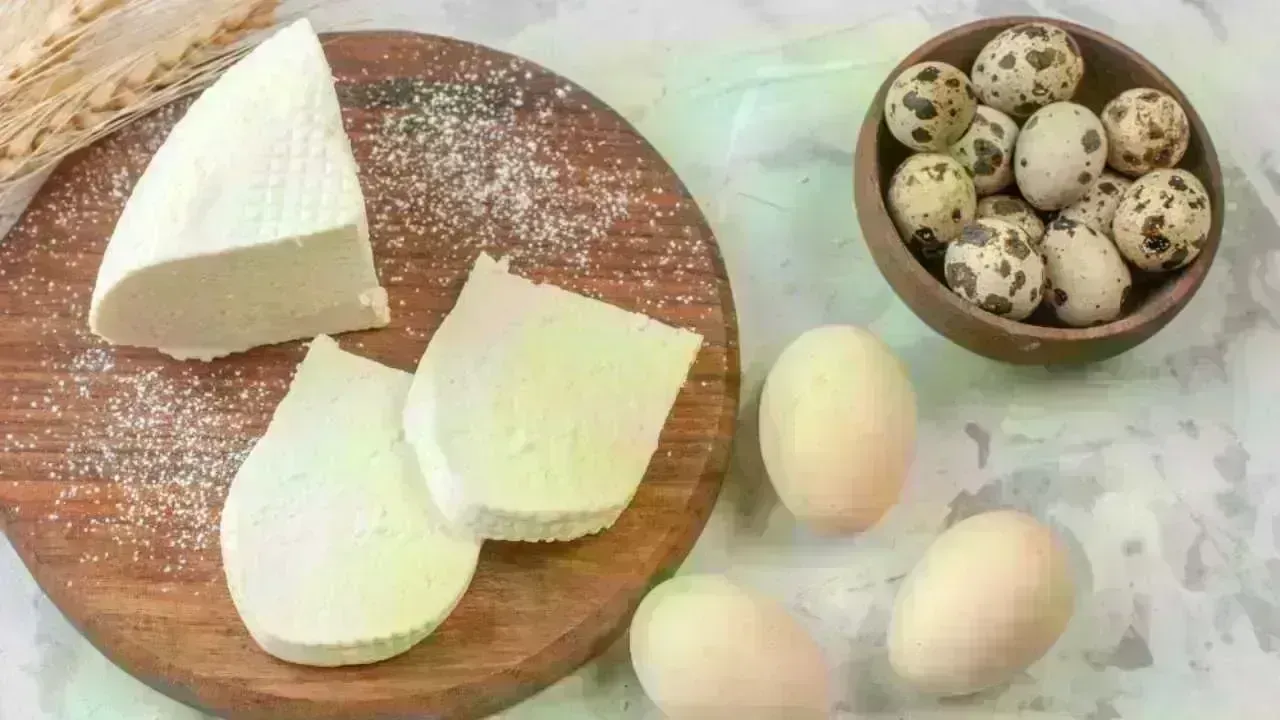
Eggs and paneer are staples in many kitchens, known for being budget-friendly and packed with nutrients essential for maintaining health. They are versatile ingredients used in various meals, leading to the common question: Which one is superior—egg or paneer?
While both foods are nutritious, they come with different advantages. Your ideal choice depends on factors such as age, health goals, and dietary requirements. Whether you're focused on weight loss, muscle gain, or nutritional needs for children, this guide breaks down the essential aspects to help you make informed choices.
To determine the right option, it's vital to analyze the nutritional profiles of eggs and paneer.
Protein plays a crucial role in tissue repair, muscle enhancement, and satiety.
Egg: Each egg offers roughly 6–7 grams of easily absorbable protein.
Paneer: 100 grams of paneer provides approximately 14–18 grams of protein.
Conclusion:
Paneer delivers a higher protein content per serving, yet the protein in eggs is absorbed more quickly.
Calorie counts are often a key consideration for weight management.
Egg: A single egg contains around 70 calories.
Paneer: Paneer is denser, with 250–300 calories per 100 grams.
Conclusion:
Eggs are a better fit for low-calorie diets, while paneer offers more fullness.
Each food brings unique nutrients crucial for health.
Vitamin B12
Vitamin D
Iron
Choline (beneficial for brain function)
Selenium
Calcium
Phosphorus
B vitamins
Healthy fats
Conclusion:
Eggs enhance cognitive function, immunity, and energy levels.
Paneer helps in bone development and muscle recovery.
Eggs are considered a "complete food" due to their rich nutrient variety.
Eggs help the body combat infections.
Choline in eggs contributes to memory and cognitive growth.
Egg protein is ideal for athletes and strength trainers.
Eggs promote satiety and help curb cravings.
Paneer stands out as a prime vegetarian protein source across South Asia.
Its calcium and phosphorus content support proper bone growth.
Paneer's slow digestion provides a steady supply of protein for muscles.
Paneer is gentle and soft for the stomach.
Paneer delivers sustained energy without abrupt fluctuations.
Selecting the right food depends on individual goals. Here’s how:
Eggs take the lead.
Being lower in calories, eggs help maintain fullness. Paneer can assist in weight loss but should be consumed in moderation.
Both foods offer advantages:
Paneer is protein-rich.
Eggs provide high-quality, quickly absorbed protein.
Best choice:
A combination of both yields optimal results.
Paneer is the preferred option for vegetarians who exclude eggs.
Both foods have unique benefits:
Eggs enhance cognitive and memory development.
Paneer aids in bone growth and overall strength.
Children can safely have both in moderate portions.
Eggs are typically acceptable in moderate amounts (3–4 eggs weekly).
Opt for low-fat paneer to limit saturated fats.
Consult a healthcare professional for tailored advice.
Both eggs and paneer adapt well in various culinary applications.
Omelettes
Boiled eggs
Scrambled variations
Curries
Sandwich spreads
Their swift preparation makes them perfect for those on the go.
Curries
Grilled preparations
Salads
Snacks
Stuffed bread
It pairs well with various international cuisines.
Both are conveniently found in grocery stores and markets.
There’s no definitive answer; each food showcases individual benefits.
Weight reduction
Quick, light meals
Enhanced cognitive function and immunity
Rapidly digesting protein
Muscle enhancement
Bone strength
Vegetarian protein source
Steady energy levels
A combination of both foods is often ideal for optimal nutrition.
In conclusion, both eggs and paneer serve as excellent dietary additions, boosting strength, immunity, energy, and overall wellness in unique ways. Individuals aiming for weight loss may prefer eggs, whereas paneer serves those needing additional protein and bone health. The affordability and ease of preparation of both foods make them great additions to any meal plan based on individual preferences and dietary needs.
The choice between egg and paneer isn't about declaring a winner; it's about understanding your body's requirements and making informed eating decisions.
This article's content is intended solely for general information and educational purposes. Individual nutritional requirements and health issues vary. While eggs and paneer may offer benefits, they might not be suitable for everyone, particularly those with allergies or specific medical conditions.
For concerns related to cholesterol, heart health, or dietary issues, it's advisable to consult a qualified healthcare provider or nutritionist before altering your diet.
Do not substitute professional medical guidance with online content. Always adhere to the recommendations of your healthcare provider for safe and personalized dietary choices.










Anticipated Dates for UAE Eid Al Adha 2026 Unveiled by Astronomical Experts
Experts predict Eid Al Adha 2026 in the UAE to start on May 27, prompting early holiday planning amo

DAE Achieves Remarkable Growth in Q1 2026 With Record Revenue
Dubai Aerospace Enterprise announces impressive financial results for Q1 2026, reflecting a surge in

Price Increase for Sony PS5 in Southeast Asia Effective May 1
Sony announces a price increase for the PS5 across Southeast Asia starting May 1, 2026, impacting ga

Potential ‘Super El Niño’ in 2026: Understanding the Climate Risks
Could a Super El Niño emerge in 2026? Discover its implications and potential global climate impacts

Global Energy Crisis Intensifies: Markets React to Oil Supply Challenges
Markets are on edge as oil disruptions escalate, influencing prices and economic stability. Explore

Must-See Tourist Spots in London You Can't Overlook
Explore London's essential attractions, from royal landmarks to vibrant markets, ensuring an unforge




