Post by : Anees Nasser
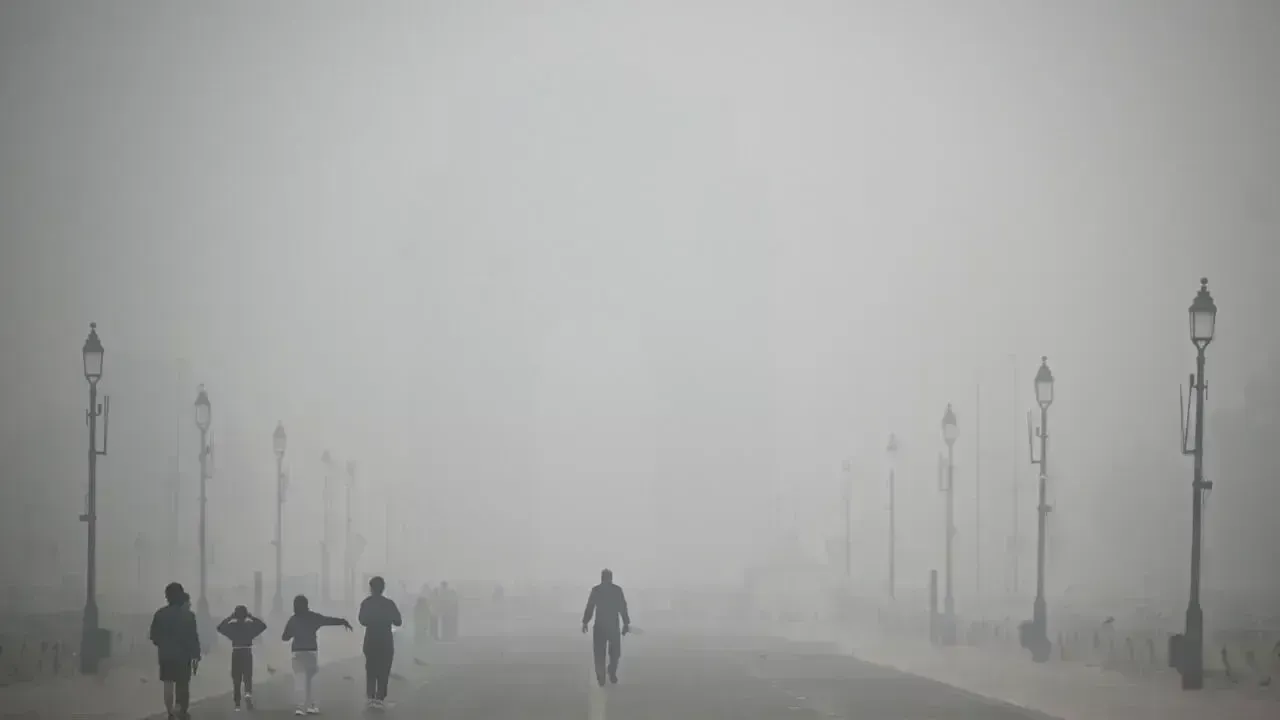
As winter sets in, Delhi faces a persistent environmental crisis that has now become an annual occurrence. Streets shrouded in dense grey fog obscure visibility, transforming the sun into a mere shadow of itself, while residents struggle to breathe in the laden air. What was once merely termed as “poor air quality” has escalated into a full-blown health emergency.
The smog enveloping Delhi is a complex issue, resulting from various factors including geography, industrialization, and human activity. What many see as a temporary nuisance has become an integral part of life for residents, influencing daily routines and overall health.
With air quality indices frequently hitting alarming levels, the focus shifts from whether Delhi's smog problem exists, to how severely it impacts daily life and strategies citizens employ to cope.
Smog is essentially a mix of smoke and fog, but in Delhi, it encompasses far more harmful constituents. The air is laden with particulate matter, notably fine particles that infiltrate deep into lungs and the bloodstream.
Often invisible, these particles pose significant health risks as they linger close to the ground during certain weather conditions, resulting in the dense air that grips the city.
Delhi's location and winter climate exacerbate the issue. In colder months, temperature inversions trap warm air, preventing pollutants from dispersing, which leads to accumulation over time.
This seasonal entrapment transforms usual emissions into a hazardous smog.
The ever-increasing vehicle population in Delhi significantly contributes to air pollution. Traffic snarls lead to extended idling, which in turn releases vast amounts of exhaust. Despite stricter regulations, the number of vehicles continues to surge, outpacing environmental regulations.
Pollution from two-wheelers, diesel trucks, and older cars remains a serious concern.
Rapid urban development has turned construction debris into a chronic pollutant. Large construction projects and infrastructural expansions release particulate matter that lingers in the atmosphere.
Insufficient control measures compound the issue, especially in dry winter weather.
Industries near and within Delhi contribute significantly to pollution. Coal-burning power plants, brick kilns, and small factories often flout environmental standards.
These pollutants accumulate, worsening the smog situation.
Crop residue burning in surrounding areas is a major factor affecting air quality. Smoke from these burning fields frequently finds its way to Delhi, intensifying smog conditions during peak seasons.
This seasonal activity, paired with local pollution, produces acute episodes of smog.
Delhi hospitals report rising numbers of patients suffering from respiratory ailments, chronic coughs, and chest discomfort during smog events. Children and the elderly are particularly affected as cases of asthma and bronchitis soar.
Even those in good health show reduced lung performance after extended exposure to toxic air.
Chronic exposure to polluted air can lead to severe health issues including heart disease, strokes, and chronic respiratory conditions. Medical professionals warn that repeated inhalation may cause irreversible damage, particularly for those residing in high-pollution areas.
The impact of smog transcends seasonal variation, leading to cumulative health risks.
The persistent stress of living in a polluted environment has discernible effects on mental health. Many residents report feelings of anxiety, irritability, and fatigue due to limited outdoor activities and ongoing health worries.
For families with young children, these concerns have become part of daily decision-making processes.
Severe smog often results in school shutdowns, remote work mandates, and cancellations of outdoor events. Morning walks, sports, and public markets frequently disappear.
Daily routines are increasingly dictated by air quality advisories.
Limited visibility from the smog impacts road, rail, and air transport, causing delays, cancellations, and accidents, further complicating daily life.
Commuting becomes a precarious venture.
During smog seasons, wearing masks has become standard across the city. Many families are investing in air purifiers to maintain a safe indoor atmosphere, prioritizing clean air, especially for vulnerable members.
Residents are adapting by limiting outdoor activities, particularly during mornings and evenings when pollution peaks. Fitness regimens shift indoors, and outdoor spaces are neglected for extended periods.
Monitoring air quality readings has become an essential part of life.
People are increasingly turning to diets that boost immunity, herbal remedies, and regular health check-ups to combat the effects of pollution.
Preventive health measures are becoming critical for survival.
Authorities frequently enforce emergency protocols such as restricting vehicular traffic, halting construction, and shutting down industries during intense smog days. While these solutions offer fleeting relief, they are viewed by many as inadequate without systemic change.
Increased campaigns advocating for carpooling, public transport, and pollution awareness have emerged. However, instituting behavioral changes remains slow without strong enforcement mechanisms and infrastructure alignment.
Escalating healthcare costs, the rise in sick leaves, and diminished productivity contribute to a considerable economic burden. Many businesses struggle as employees either fall ill or opt to avoid commuting altogether.
Delhi's reputation suffers during smog crises, adversely affecting tourism as visitors cancel trips and outdoor venues see a drop in attendance.
Air pollution is both an environmental and an image-related challenge.
Due to pollution, children in Delhi are spending more time indoors. Outdoor activities, vital for their development, are often limited for long periods.
This change signifies long-term effects on health and lifestyle choices.
The cycle of school closures and online classes disrupts educational consistency. Parents face the challenge of maintaining a balance between safety and educational needs.
The smog situation detrimentally impacts children’s educational experiences.
Many people in the city voice dissatisfaction over the lack of permanent solutions. While some resign themselves to the smog issue, others demand accountability and effective measures.
Public patience appears to be diminishing.
Despite the ongoing challenges, awareness surrounding pollution and sustainability has risen. More individuals are engaging in discussions about eco-friendly alternatives, electric vehicles, and comprehensive urban planning.
The crisis is prompting dialogues that had previously gone unnoticed.
Experts stress the necessity of continuous efforts over temporary fixes. Transitioning to cleaner energy, enhancing public transport systems, fingerprinting industrial regulations, and fostering regional collaborations are critical.
Resolving the smog issue requires more than city-level changes.
Collective individual actions can create notable change. Decreasing vehicle use, improving waste management, and community-driven initiatives for policy reform are vital.
Change will necessitate both systemic reform and grassroots involvement.
Climate trends indicate that episodes of smog may become more frequent and severe. Shifting weather patterns combined with increasing emissions threaten urban air quality.
Delhi may confront not just intermittent issues, but rather a long-term environmental crisis.
Delhi's experiences serve as an alert for other swiftly urbanizing locations. Without strategic foresight, pollution levels can escalate unmanageable.
The crisis presents learnings that extend far beyond the confines of one city.
The smog crisis in Delhi has transcended mere seasonal annoyance; it stands as a crucial challenge of contemporary urban living. Behind the metrics and air quality figures lie countless individuals adjusting to the harsh realities of polluted air—families concerned for their children, commuters navigating treacherous conditions, and patients flooding hospitals seeking relief.
While the resilience of the populace shines through, coping should not be equated with acquiescence. Clean air is a fundamental requirement, not a luxury. The rising awareness, public advocacy, and dialogues around pollution foster the belief that meaningful action is achievable—but only if urgency translates into lasting change.
For now, Delhi wakes up daily beneath a gray shroud, merging its hopes for fresh air with the ongoing challenge of navigating polluted surroundings.
Disclaimer:
This article is intended for informational purposes and is grounded in general observations, environmental trends, and public health insights. It does not serve as a substitute for professional medical or environmental advice. Readers are encouraged to adhere to official guidelines and consult experts for health-related matters.







Anticipated Dates for UAE Eid Al Adha 2026 Unveiled by Astronomical Experts
Experts predict Eid Al Adha 2026 in the UAE to start on May 27, prompting early holiday planning amo

DAE Achieves Remarkable Growth in Q1 2026 With Record Revenue
Dubai Aerospace Enterprise announces impressive financial results for Q1 2026, reflecting a surge in

Price Increase for Sony PS5 in Southeast Asia Effective May 1
Sony announces a price increase for the PS5 across Southeast Asia starting May 1, 2026, impacting ga

Potential ‘Super El Niño’ in 2026: Understanding the Climate Risks
Could a Super El Niño emerge in 2026? Discover its implications and potential global climate impacts

Global Energy Crisis Intensifies: Markets React to Oil Supply Challenges
Markets are on edge as oil disruptions escalate, influencing prices and economic stability. Explore

Must-See Tourist Spots in London You Can't Overlook
Explore London's essential attractions, from royal landmarks to vibrant markets, ensuring an unforge




