Post by : Anees Nasser
In 2025 the aviation sector is confronting one of its most urgent operational dilemmas: a growing gap in qualified pilots and flight dispatchers. Airlines worldwide, across passenger and cargo operations, face staffing pressures that risk disrupting schedules and operational resilience.
To manage this strain, carriers and airports are adopting artificial intelligence (AI) and decision support systems (DSS). These systems supplement human expertise with rapid analysis, predictive modelling and operational recommendations—designed to support, not supplant, human decision-makers.
Because aviation decisions carry safety and economic consequences, AI is being deployed as a tool that improves situational awareness and operational planning for crews and ground teams alike.
Demand for air travel following the pandemic rebound has outpaced the supply of experienced pilots. Factors such as an aging pilot population, pandemic-era training interruptions, and career changes have combined to create a shortfall that industry analysts project could approach 80,000 pilots by 2030.
Dispatchers—tasked with flight planning, meteorological assessment and fuel calculations—are also in short supply. Airlines must therefore run leaner operations while meeting uncompromising safety and regulatory requirements.
In this environment, AI serves as a cognitive assistant that digests high volumes of data, allowing human specialists to concentrate on judgement-intensive tasks.
Decision support platforms ingest diverse aviation inputs—weather feeds, surveillance data, maintenance records and crew rosters—and synthesize them in near real time. The systems surface risks, propose mitigations and prioritise actionable options.
Typical DSS functions include:
Flight Route Optimization: Algorithms weigh live weather, traffic flows and fuel burn to recommend routes that balance safety and cost.
Predictive Maintenance: Machine learning spots patterns in equipment telemetry to forecast failures, cutting unscheduled groundings.
Crew Scheduling: Tools model fatigue, regulatory limits and rostering constraints to generate compliant, efficient crew plans.
These capabilities give dispatchers faster, evidence-based options and provide pilots with succinct guidance within their flight systems.
Dispatch operations require constant trade-offs—shifting weather, constricted airspace, and crew legality among them. Modern AI platforms automate scenario evaluation and present prioritized reroute or delay strategies.
Machine learning systems can evaluate millions of route and contingency permutations in seconds, simulating outcomes—such as weather diversions or maintenance constraints—and ranking the best responses for operations staff.
By taking routine complexity off dispatchers’ plates, DSS tools allow teams to focus on exceptional cases and judgement calls, improving reliability and safety margins.
Predictive analytics is among AI’s most practical contributions. By forecasting disruptions—ranging from meteorological shifts to looming maintenance needs and crew fatigue—systems enable pre-emptive mitigation rather than last-minute fixes.
Data-driven dashboards present these forecasts to both flight crews and dispatch teams. Operators using predictive tools report measurable benefits, including up to 12% fewer delays and approximately 18% lower operational costs, attributed largely to earlier interventions.
AI in aviation is intended to augment professional judgement rather than replace it. The prevailing approach across the industry is one of supervised autonomy: AI supplies contextual analysis while humans retain final authority.
Pilots continue to make ultimate flying decisions, but they now receive rapid, consolidated inputs—cross-checked against diagnostics and regulations—that inform those calls.
The partnership typically looks like this:
Pilots use AI-generated insights for enhanced situational awareness and optimized route choices.
Dispatchers rely on AI to prioritise workflows and anticipate operational bottlenecks.
AI strengthens decision quality while preserving human accountability.
Automating repetitive and data-intensive tasks helps reduce cognitive load for pilots and dispatchers. Tasks like recalculating fuel consumption or reconciling multiple flight logs can be handled by systems that return concise, decision-ready summaries.
This reduction in manual effort helps protect critical skills and lowers burnout risk—an important consideration during staffing shortages.
Additionally, fatigue-monitoring modules that integrate duty hours, sleep data and environmental factors can flag elevated risk and support proactive rostering changes.
AI applications extend to air traffic management, where traffic-flow tools forecast congestion and enable dynamic rerouting. Greater integration between ATC, airlines and dispatch systems creates more coherent, real-time information sharing.
Such interoperability becomes increasingly important as airspace use intensifies, helping balance capacity and safety without compromising throughput.
Aviation-grade AI is subject to strict validation, traceability and ethical requirements. Algorithms are tested on historical records, simulated anomalies and live validation cycles to ensure reliable performance.
Explainability is a core design criterion: systems must provide interpretable rationales for recommendations so operators can evaluate and trust suggested actions.
Transparency and auditability are essential to meeting regulatory standards and sustaining human oversight.
Several carriers have publicised concrete gains from AI-driven DSS implementations:
Delta Air Lines has used predictive maintenance to reduce unplanned ground time by about 15%.
Emirates applies AI to crew pairing, improving rest alignment for long-haul operations and cutting fatigue exposure.
Singapore Airlines integrates dispatch and cockpit communications to sharpen real-time coordination.
These examples show how AI reshapes workflows and delivers measurable operational improvements.
When major disruptions occur—from volcanic ash to sudden storms or airport closures—DSS platforms can process live sensor and radar feeds to propose rapid reroutes and contingency plans.
During recent typhoon events in Southeast Asia, carriers reported that AI-enabled dispatching helped cut diversion-related costs by nearly 20%, underlining the value of fast, data-driven response capabilities.
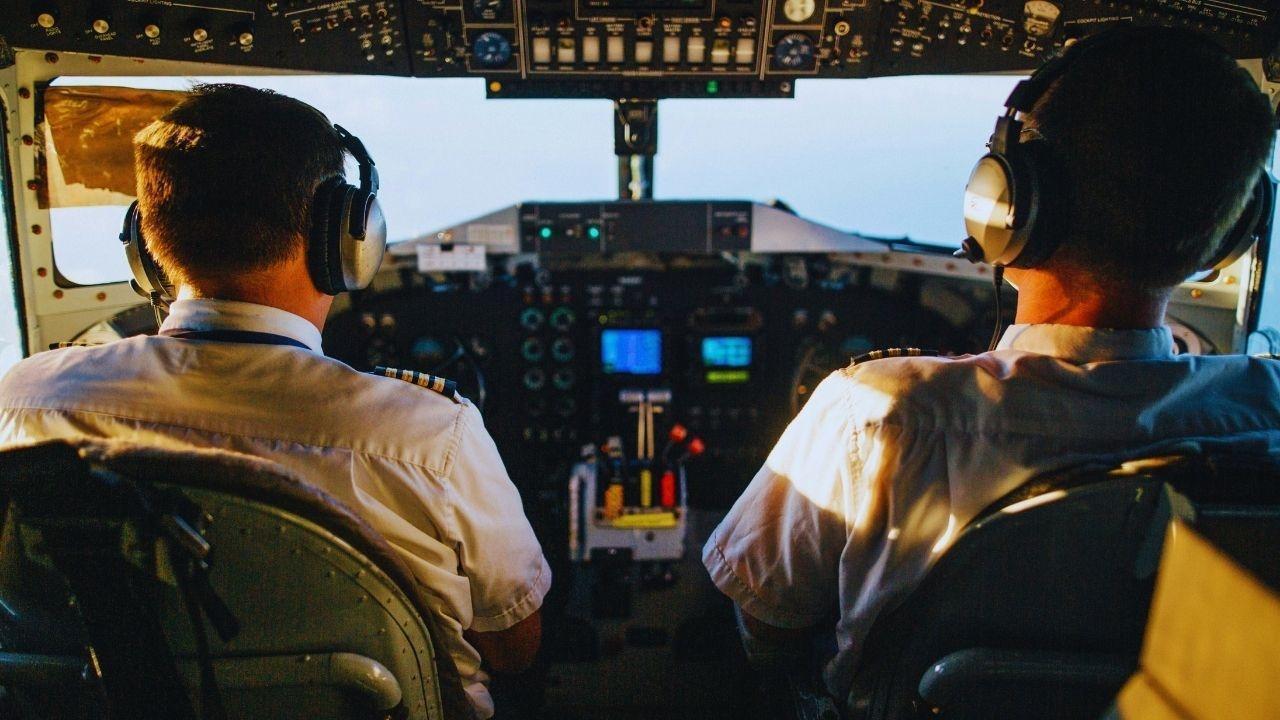
In modern cockpits, AI augments autopilot with adaptive assistance—offering trajectory and altitude suggestions when conditions change. Pilots retain command, but gain computational foresight that improves safety margins and fuel efficiency.
This hybrid model preserves manual proficiency while benefiting from machine-scale analysis.
AI-powered simulators and personalised training pathways are accelerating skill acquisition for new pilots and dispatch trainees. Machine learning identifies individual gaps and tailors scenarios, including rare emergencies, to build competence more quickly.
Simulated dispatch environments enable trainees to practise complex decision-making before assuming live responsibilities.
By trimming fuel inefficiencies, lowering maintenance-related downtime and reducing delays, DSS implementations generate economic returns. A 2025 industry survey found that airlines using AI-driven decision support typically save around $1.2 million per aircraft annually through improved operational efficiency.
Optimised routing also supports sustainability goals by cutting CO2 output—a growing regulatory and commercial priority.
Despite progress, experts warn against excessive dependence on automated systems. AI outcomes depend on data quality, and unusual or unforeseen events may still outpace model capability.
Maintaining manual skills is therefore essential: regulators such as the FAA and EASA endorse supervised autonomy to ensure humans remain central to safety-critical decisions.
The trajectory for aviation points toward tighter human-machine integration. Emerging cognitive systems will increasingly anticipate operator needs, streamline communications and pre-configure flight plans for clearance.
When balanced with robust oversight and training, AI promises to strengthen both safety and efficiency across the aviation ecosystem.
This analysis is intended for informational purposes and does not constitute official aviation guidance. For regulatory direction and certified procedures, consult relevant aviation authorities.










Anticipated Dates for UAE Eid Al Adha 2026 Unveiled by Astronomical Experts
Experts predict Eid Al Adha 2026 in the UAE to start on May 27, prompting early holiday planning amo

DAE Achieves Remarkable Growth in Q1 2026 With Record Revenue
Dubai Aerospace Enterprise announces impressive financial results for Q1 2026, reflecting a surge in

Price Increase for Sony PS5 in Southeast Asia Effective May 1
Sony announces a price increase for the PS5 across Southeast Asia starting May 1, 2026, impacting ga

Potential ‘Super El Niño’ in 2026: Understanding the Climate Risks
Could a Super El Niño emerge in 2026? Discover its implications and potential global climate impacts

Global Energy Crisis Intensifies: Markets React to Oil Supply Challenges
Markets are on edge as oil disruptions escalate, influencing prices and economic stability. Explore

Must-See Tourist Spots in London You Can't Overlook
Explore London's essential attractions, from royal landmarks to vibrant markets, ensuring an unforge




