Post by : Saif Nasser
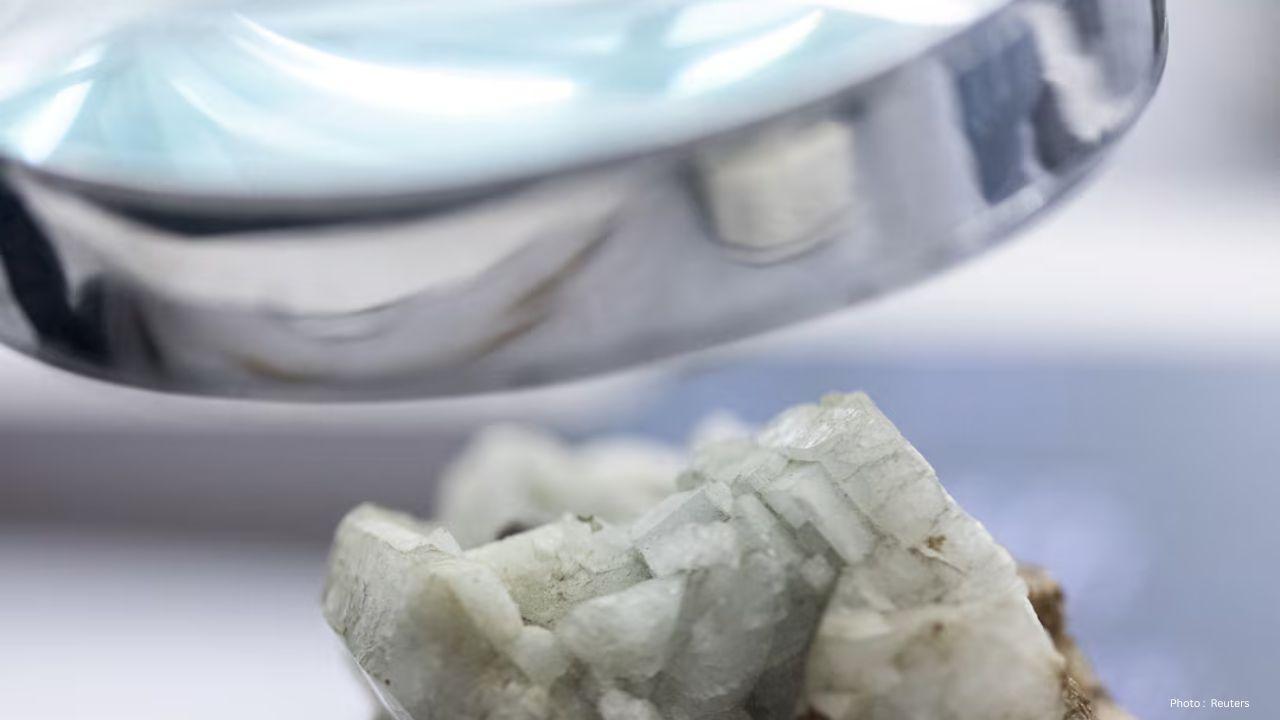
Global carmakers are racing to secure supplies of rare earth metals as China prepares to enforce new export controls on November 8. Executives warn that the restrictions could cause parts shortages and even force factory shutdowns if alternative sources are not secured in time.
Rare earth metals are critical for making car components, including electric vehicle motors, side mirrors, speakers, oil pumps, windshield wipers, and sensors for fuel and braking systems. These metals are also key in producing high-performance magnets that help motors run efficiently. While some automakers are developing motors that require fewer rare earths, most of these technologies are still years away from mass production.
China dominates the global rare earth market. According to consultancy AlixPartners, China controls about 70% of rare earth mining worldwide, 85% of refining capacity, and 90% of rare earth metal alloy and magnet production. The country’s new export control list includes elements like ytterbium, holmium, and europium, which are essential for car manufacturing.
“The situation is very tense,” said Nadine Rajner, CEO of German metal-powder supplier NMD. “Our customers want to source rare earths from anywhere but China. But even in countries like Sweden, there are not enough mines or refining facilities to meet demand. For heavy rare earths, China controls 99.8% of global refining capacity.”
The recent U.S.-China trade agreement temporarily reduced supply threats, but stockpiles were depleted by previous restrictions earlier this year. Beijing has also made it harder for foreign companies to obtain export licenses. As a result, global automakers are placing rush orders to secure metals before the deadline. Some Chinese exporters reported receiving a flood of orders from international clients immediately after the controls were announced on October 9.
Companies are exploring recycling as an alternative source. Rare earths can be recovered from old vehicles, but recycling is still in its early stages. Neutral, a Renault-backed firm in France, currently recycles metals from 400,000 cars annually and supplies 15 brands in Europe. Jean-Philippe Bahuaud, Neutral’s CEO, said, “The challenge is scaling up these activities to meet the growing demand.”
Even if China can fulfill new orders before the November deadline, shipping metals to Europe can take up to 45 days, adding further risk of delays. Additionally, China has imposed restrictions on lithium-ion batteries and battery materials, which raises concerns for electric vehicle production. A recent intellectual-property dispute between China and Dutch chipmaker Nexperia also triggered fears of factory shutdowns, as the company supplies components for car electronics.
Industry experts say China’s control over rare earths is one of the biggest risks for automakers. Ryan Grimm, vice president of purchasing and supplier development at Toyota North America, said, “They can shut us down in two months, the entire auto industry.” Bruno Gahery, president at Bosch for France, Benelux, and parts of Europe, added that carmakers are preparing by overstocking rare earths ahead of the export controls.
Automakers are also trying to reduce dependence on these metals. General Motors, BMW, Renault, and major suppliers like ZF and BorgWarner are developing electric motors with low or zero rare earth content. In the UK, Monumo uses AI and advanced simulations to help carmakers reduce rare earth usage in existing motors. CEO Dominic Vergine said this has led to an average reduction of 24% for several top car brands.
Despite these efforts, most rare earth-free motors are still years from commercial production. New mines and processing plants outside China face economic challenges, as Beijing can keep prices low to undercut foreign competitors. Andy Leyland, co-founder of supply chain consultancy SC Insights, said, “The Chinese can always undercut them. Cheaper motors with rare earth magnets make it hard for automakers to justify more expensive alternatives.”
In the short term, automakers are focusing on securing stocks, improving recycling, and developing rare earth-free technologies for the future. However, China’s dominance of rare earths and its export controls remain a major threat to the global auto industry, especially as demand for electric vehicles continues to rise.
The coming weeks will test the ability of carmakers to adapt, manage supply chains, and avoid disruptions. Analysts warn that any delay in shipments or failure to secure metals could affect production lines, costs, and global vehicle supply.
In conclusion, while companies are taking steps to reduce reliance on China, the country’s control over rare earth metals keeps automakers on high alert. Stockpiling, recycling, and research into alternative motors are essential strategies, but China’s export rules and pricing power ensure that the issue will remain a critical challenge for the auto industry for years to come.






Mattel Revives Masters of the Universe Action Figures Ahead of Film Launch
Mattel is reintroducing Masters of the Universe figures in line with its upcoming film, tapping into

China Executes 11 Members of Criminal Clan Linked to Myanmar Scam
China has executed 11 criminals associated with the Ming family, known for major scams and human tra

US Issues Alarm to Iran as Military Forces Deploy in Gulf Region
With a significant military presence in the Gulf, Trump urges Iran to negotiate a nuclear deal or fa
Copper Prices Reach Unprecedented Highs Amid Geopolitical Turmoil
Copper prices soar to all-time highs as geopolitical tensions and a weakening dollar boost investor

New Zealand Secures First Win Against India, Triumph by 50 Runs
New Zealand won the 4th T20I against India by 50 runs in Vizag. Despite Dube's impressive 65, India