Post by : Saif Nasser
In several African countries, political power has remained in the hands of the same leaders for decades. From Uganda in East Africa to Cameroon in Central Africa, some presidents have ruled for so long that entire generations have grown up knowing no other leader. This pattern has sparked debate about democracy, accountability, and the future of governance on the continent.
One of the clearest examples is Cameroon. President Paul Biya first came to power in 1982 and has remained president ever since. Over the years, laws were changed to remove limits on how long a president can serve. As a result, Biya has been able to contest and win multiple elections, even in his 90s. Supporters say he brings stability, but critics argue that long rule has weakened democratic institutions and limited political freedom.
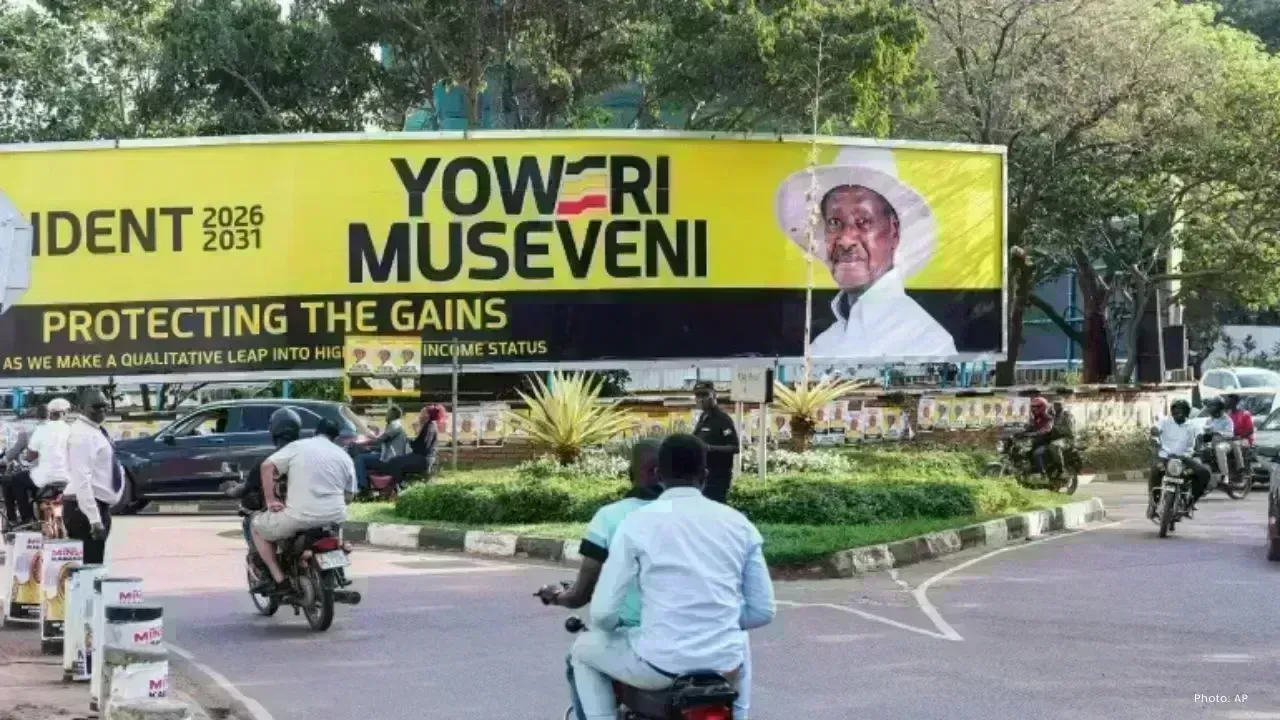
Uganda shows a similar story. President Yoweri Museveni has ruled since 1986. At first, he was seen as a reformer who brought order after years of conflict. However, over time, constitutional changes removed both term limits and age limits for presidents. This allowed Museveni to keep running for office and winning elections. Many Ugandans now question whether elections offer real choice when the same leader always remains in power.
Across Africa, these leaders often stay in office by using legal methods rather than open force. Changing constitutions is one common approach. When term limits are removed, presidents can legally remain in power for as long as they continue to win elections. Control over political parties, state media, and security forces can also make it very hard for opposition leaders to compete fairly.
Supporters of long-serving leaders often say that experience matters. They argue that these presidents understand their countries well and can protect them from instability, conflict, or economic shocks. In regions facing security threats or poverty, some citizens prefer familiar leadership instead of risky change.
However, many people strongly disagree with this view. They believe that staying in power for too long damages democracy. When leaders rule for decades, institutions like courts, parliaments, and election bodies may lose independence. This can reduce checks and balances and increase corruption. Young leaders also struggle to find space in politics, leaving few fresh ideas or new voices.
Public frustration has grown in many countries where leaders seem unwilling to step aside. Protests, criticism from civil society, and pressure from opposition groups show that many citizens want real political change. They want leaders who are accountable and systems where power can change hands peacefully.
The issue is not only about individual presidents. It is about the strength of democratic rules. Strong democracies depend on clear limits, fair elections, and respect for the rule of law. When these rules are weakened, trust in government also weakens.
Africa is a diverse continent, and not all countries follow this pattern. Some nations have shown that peaceful transfers of power are possible and beneficial. These examples offer hope that democracy can grow stronger when leaders respect limits and citizens’ choices.
In the end, the future of Africa’s politics will depend on whether leaders choose to serve their people for a time — or rule them for life. The path chosen will shape trust, stability, and opportunity for generations to come.



7.5 Magnitude Earthquake Strikes Japan, Tsunami Alerts Issued
Japan experiences a hefty 7.5 quake, prompting tsunami alerts and safety measures. Stay updated on a

Reopening of the Strait of Hormuz: New Regulations to Impact Global Trade
Iran reopens the strategic Strait of Hormuz with new regulations affecting oil transport and global

Top 10 Must-See Attractions in NYC for First-Time Explorers
Discover essential experiences for first-time visitors to NYC, including attractions, culture, and i

Starbucks Engages Boyu Capital for Major Chinese Expansion
Starbucks teams up with Boyu Capital, selling a majority stake to boost growth and adapt to the Chin

Three Individuals Charged in Massive Meth Trafficking Case in Malaysia
In Malaysia, a married couple and another suspect are charged with trafficking 510kg of meth, facing