Post by : Saif Nasser
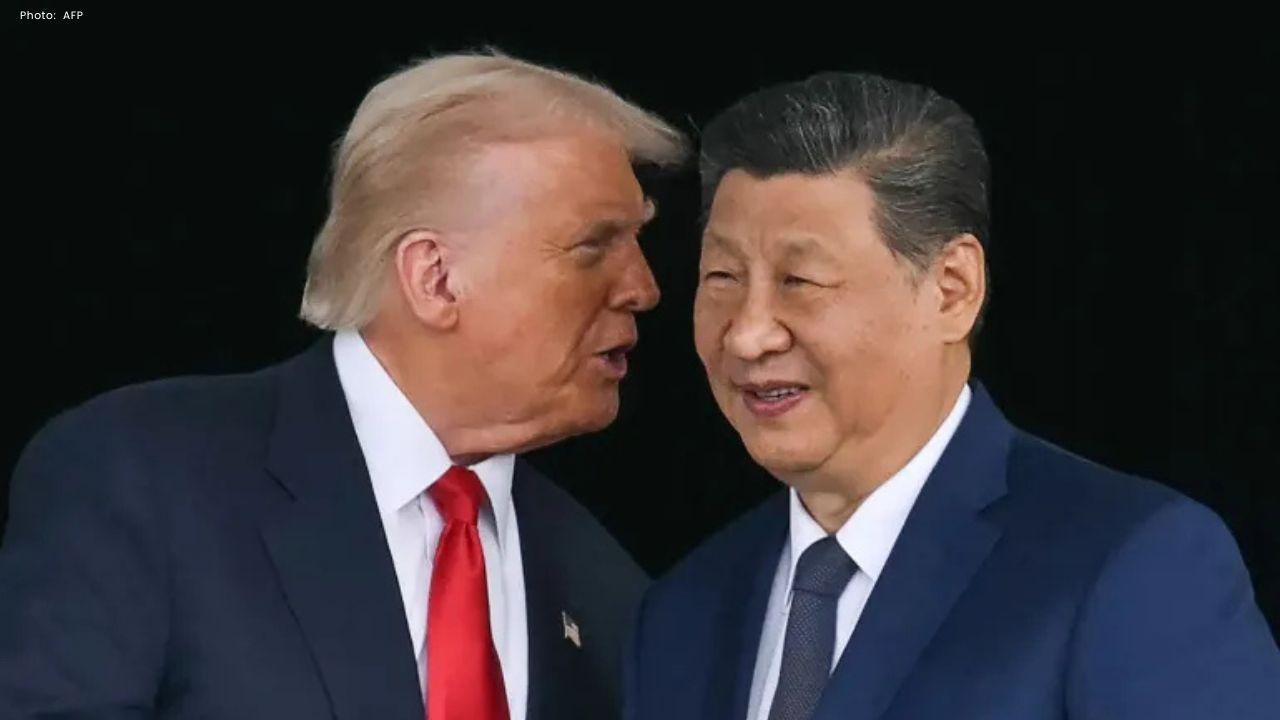
U.S. President Donald Trump recently held a phone call with Chinese President Xi Jinping and described the conversation as “excellent.” His words suggested warmth and progress. But when we look more closely at what both sides said after the call, it becomes clear that the relationship between the United States and China is still complicated and tense.
According to official statements, the two leaders spoke about many major topics. These included trade, global conflicts, Taiwan, and future cooperation. Trump said the talk was long and productive. He praised his personal relationship with Xi and said he looks forward to more meetings in the future. From the U.S. side, the message was clear: the call was friendly and useful.
China’s summary of the call had a different focus. Chinese officials stressed respect, sovereignty, and security concerns. They highlighted Taiwan as the most sensitive issue between the two countries. Beijing repeated its position that Taiwan is a core national interest and warned against actions that could raise tensions. This shows that even during a polite call, the biggest disagreements remain active.
This difference in messaging matters. When two governments describe the same call in different ways, it often means each side wants to shape the story for its own public and political goals. Trump focused on personal chemistry and possible cooperation. China focused on boundaries and warnings. Both are sending signals, but not the same ones.
Phone calls between world leaders are important tools. They help keep communication open and reduce the risk of sudden conflict. In today’s world, where the U.S. and China compete in trade, technology, military power, and global influence, direct contact at the top level can prevent misunderstandings. Still, a positive call does not automatically solve deep problems.
Trade remains one of the biggest pressure points. The two countries depend heavily on each other’s markets, but they also accuse each other of unfair practices. Tariffs, export controls, and supply chain security are still major concerns. A friendly tone on a call does not remove these disputes overnight.
Taiwan is another serious flashpoint. The United States supports Taiwan’s defense, while China sees Taiwan as part of its territory. Any move by either side in this area quickly raises tensions. Even if leaders speak calmly, military and political moves around Taiwan continue to create risk.
There are also wider global issues. The United States wants China’s help or support on conflicts and security challenges in different regions. China, however, often prefers a careful and neutral position that protects its own interests first. That gap in expectations can limit how much progress comes from leader-to-leader talks.
Diplomacy often works in small steps. A call described as “excellent” can help set a better mood, but real change needs follow-up action. That includes working-level meetings, written agreements, and policy changes. Without those, strong words remain mostly symbolic.
The call between Trump and Xi shows that both sides want to keep talking. That alone is valuable. But it also shows that behind polite language, serious disagreements continue. True improvement in U.S.–China relations will depend not on how good a call sounds, but on what both countries do next.







Reopening of the Strait of Hormuz: New Regulations to Impact Global Trade
Iran reopens the strategic Strait of Hormuz with new regulations affecting oil transport and global

Top 10 Must-See Attractions in NYC for First-Time Explorers
Discover essential experiences for first-time visitors to NYC, including attractions, culture, and i

Starbucks Engages Boyu Capital for Major Chinese Expansion
Starbucks teams up with Boyu Capital, selling a majority stake to boost growth and adapt to the Chin

Three Individuals Charged in Massive Meth Trafficking Case in Malaysia
In Malaysia, a married couple and another suspect are charged with trafficking 510kg of meth, facing

Singapore Police Revisit Geylang Murder Scene with Suspect
In Geylang, police return a murder suspect to the scene of a crime involving the fatal stabbing of a