Post by : Saif Nasser
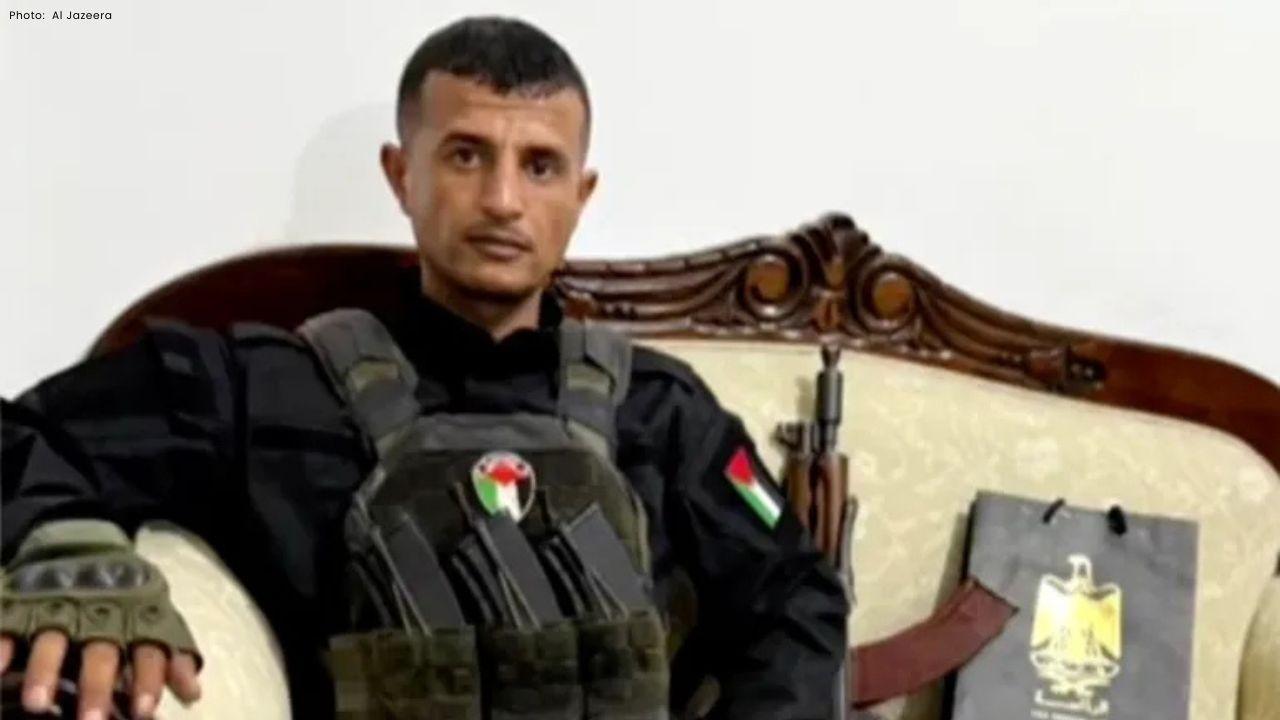
A new investigation has raised serious questions about the role of certain armed militia members in the Gaza Strip. The report claims that some fighters from local armed groups secretly worked as agents supporting Israeli military operations. These findings come at a time when Gaza is already facing deep suffering from war, shortages of food and medicine, and broken infrastructure.
According to the investigation, some militia members were able to move through sensitive areas where most civilians were not allowed to go. Witness accounts, video material, and field reporting suggest that these fighters operated close to Israeli-controlled zones and, in some cases, appeared to coordinate their actions in ways that benefited Israeli security goals. This has created fear and anger among many Palestinians who see such actions as cooperation with an opposing force during wartime.
The report points to specific armed factions that were active near aid routes and security corridors. Some of these groups were said to be involved in guarding or managing areas connected to aid delivery. However, there were also accusations that certain members diverted or looted supplies and later resold them at high prices. For civilians already struggling to survive, this added another layer of hardship and mistrust.
Local residents interviewed by reporters described confusion on the ground. In a conflict zone, people often cannot clearly tell which armed group answers to whom. Fighters may not wear clear uniforms, and alliances can change quickly. This makes it harder for civilians to feel safe or know who is protecting them and who may be working for another side.
The investigation also describes how internal Palestinian divisions have grown during the war. Rival armed groups have clashed with each other, not just with Israeli forces. When accusations of cooperation or spying appear, tensions rise fast. Such claims can lead to revenge attacks, arrests, or further violence inside communities that are already under pressure.
Security experts say that in many conflicts around the world, national armies sometimes rely on local armed partners for information, logistics, or control of territory. While this can offer short-term tactical advantages, it often damages long-term trust within local populations. When the war slows down, these hidden partnerships can leave deep social wounds behind.
Israeli officials have often said their operations depend on intelligence and local knowledge, but they rarely comment on specific sources or partners. Armed Palestinian factions strongly deny working with Israeli forces and say such reports are meant to divide resistance groups. Because access to many conflict areas is limited, full independent verification remains difficult.
Still, the importance of the claims cannot be ignored. Gaza’s civilian population has paid the highest price in the conflict. Families have lost homes, schools, and hospitals. In such conditions, any suggestion that local fighters are helping an outside military force increases public anger and weakens already fragile unity.
Aid groups working in the region warn that trust is essential for humanitarian work. If communities believe armed actors are misusing aid or passing information to military forces, people may become afraid to approach aid centers. That could slow deliveries and increase hunger and disease risks.
The larger lesson from this situation is that wars are rarely simple. They are not just battles between two clear sides. They also involve local politics, rival groups, survival choices, and hidden deals. Ordinary people are often caught in the middle, unsure who controls what and who to believe.
If peace efforts are to succeed in the future, transparency and accountability will be necessary. Allegations of covert cooperation, aid misuse, and militia rivalry should be examined carefully and openly. Without truth and trust, rebuilding any war-damaged society becomes much harder.



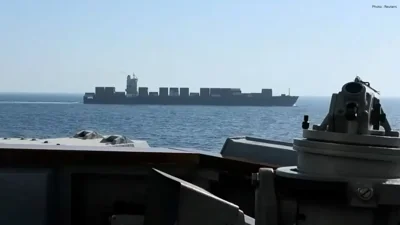

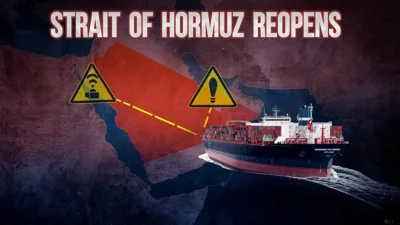
Reopening of the Strait of Hormuz: New Regulations to Impact Global Trade
Iran reopens the strategic Strait of Hormuz with new regulations affecting oil transport and global

Top 10 Must-See Attractions in NYC for First-Time Explorers
Discover essential experiences for first-time visitors to NYC, including attractions, culture, and i

Starbucks Engages Boyu Capital for Major Chinese Expansion
Starbucks teams up with Boyu Capital, selling a majority stake to boost growth and adapt to the Chin

Three Individuals Charged in Massive Meth Trafficking Case in Malaysia
In Malaysia, a married couple and another suspect are charged with trafficking 510kg of meth, facing

Singapore Police Revisit Geylang Murder Scene with Suspect
In Geylang, police return a murder suspect to the scene of a crime involving the fatal stabbing of a