Post by : Saif Nasser
A ceasefire is supposed to mean silence from guns and safety for civilians. In Gaza, however, the word “ceasefire” and the reality on the ground do not fully match. Months after a truce agreement was announced between Israel and Hamas, fighting, airstrikes, and deaths are still being reported. Many people in Gaza are asking a painful question: if there is a ceasefire, why are people still dying?
The current truce was announced after long negotiations led by the United States and supported by regional mediators. The plan included several promises. Hostages were to be released. Prisoners were to be exchanged. Aid was to enter Gaza quickly. Steps toward reconstruction and new governance were supposed to begin. On paper, it looked like a path toward calm. In practice, many parts of the deal have slowed down or stalled.
One major success of the agreement was the release of living hostages held in Gaza in exchange for Palestinian prisoners held by Israel. That part moved forward. But other key parts did not. Plans for rebuilding Gaza, disarming militant groups, and setting up a new governing system have not been completed. Without progress on these deeper issues, the ceasefire remains fragile.
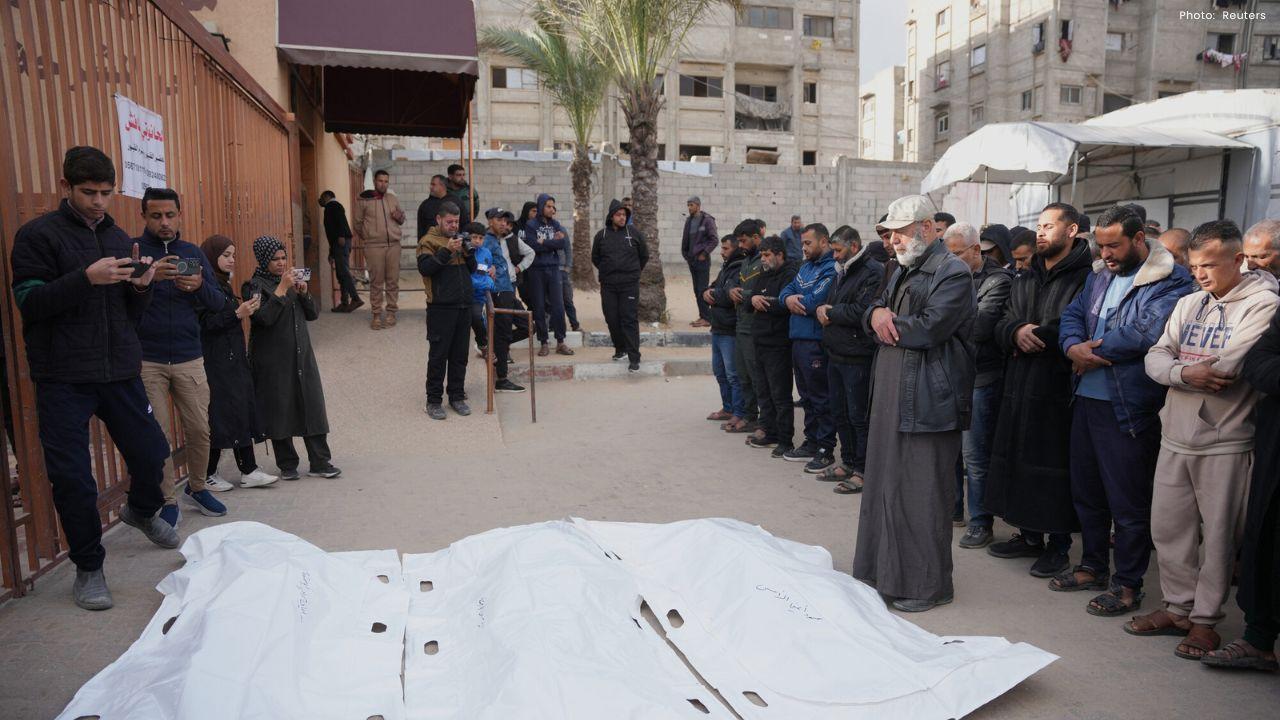
Reports from Gaza health officials say hundreds of Palestinians have been killed in Israeli strikes since the truce began. Israel says its forces are responding to threats and violations by militants near ceasefire lines. Hamas accuses Israel of breaking the truce through continued strikes in civilian areas. Each side says the other is responsible. This cycle of blame keeps tensions high and trust very low.
Trust is the most important part of any ceasefire. Right now, trust is missing. Israel fears that Hamas could use the pause to regroup, rearm, and prepare for future attacks. Hamas fears that Israel will continue military pressure and delay key promises like full withdrawal and reconstruction. When both sides suspect the other, even small incidents can lead to deadly escalation.
Another weak point is humanitarian aid. The ceasefire plan called for a large and steady flow of food, medical supplies, fuel, and heavy equipment into Gaza. Aid groups and the United Nations say deliveries are still far below what is needed. They report delays at crossings, customs problems, and approval issues. Israeli authorities reject some of these claims and say aid is being allowed in. The disagreement shows how even basic relief efforts have become politicized.
The Rafah border crossing between Gaza and Egypt reopened for limited movement, which gave hope to many families. But only a small number of people have been allowed to cross. There are reports of delays, questioning, and unclear rules. For sick and injured people waiting to leave for treatment, these delays can be life-threatening.
The ceasefire deal also mentioned international involvement, including possible security forces and outside support for rebuilding Gaza. So far, these plans have not fully taken shape. Without neutral monitors and clear enforcement, ceasefires are harder to maintain. Agreements need watchers and referees, not just signatures.
Another reason the violence continues is that the war’s deeper political questions are still unanswered. Who will govern Gaza in the future? Will Hamas stay armed or step aside? Will Israel fully pull its forces back? These are not small questions. They go to the heart of the conflict. Because there is no final agreement on them, the ceasefire sits on unstable ground.
For civilians, the difference between a “partial ceasefire” and war often feels meaningless. Families still hear explosions. Hospitals still receive the wounded. Parents still fear for their children. Even if overall violence is lower than during the peak of war, continued strikes and shootings keep daily life dangerous.
Yet there are small signs that the deal is not completely broken. Prisoner exchanges happened. Some hostages were returned. Limited border openings began. Talks between mediators are still going on. Leaders on all sides continue to use the word “ceasefire,” which means the door to diplomacy is still open.
A ceasefire is not just a switch that turns war off. It is a process that needs constant effort, honesty, monitoring, and compromise. When promises are delayed and trust is absent, fighting can continue even under a truce. Gaza today shows that a ceasefire without full follow-through becomes weak and easily shaken.
If the agreement is to survive, all sides will need to move faster on aid, clearer on rules, and more serious about long-term political solutions. Without that, the word ceasefire will remain, but peace will not.


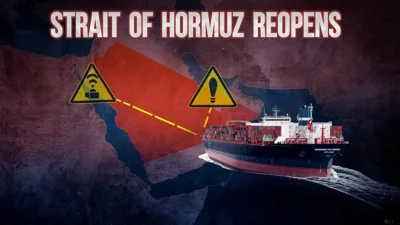
Reopening of the Strait of Hormuz: New Regulations to Impact Global Trade
Iran reopens the strategic Strait of Hormuz with new regulations affecting oil transport and global

Top 10 Must-See Attractions in NYC for First-Time Explorers
Discover essential experiences for first-time visitors to NYC, including attractions, culture, and i

Starbucks Engages Boyu Capital for Major Chinese Expansion
Starbucks teams up with Boyu Capital, selling a majority stake to boost growth and adapt to the Chin

Three Individuals Charged in Massive Meth Trafficking Case in Malaysia
In Malaysia, a married couple and another suspect are charged with trafficking 510kg of meth, facing

Singapore Police Revisit Geylang Murder Scene with Suspect
In Geylang, police return a murder suspect to the scene of a crime involving the fatal stabbing of a