Post by : Mikhael Nasser
While winter brings a sense of tranquility, it can also lead to physical changes that adversely affect health, particularly for individuals with blood pressure challenges. As temperatures drop, our blood vessels constrict, circulation decreases, and the body expends more energy to maintain warmth. Concurrently, people often engage in less physical activity and consume heavier meals during this season, contributing to potential increases in blood pressure.
Fortunately, dedicating just a few minutes to yoga each day can provide a natural remedy. This practice not only calms the mind and warms the body but also enhances circulation without straining the heart. A yoga mat isn’t necessary—find a peaceful spot and set aside a little time each day to practice.
Here’s your detailed guide to five yoga poses that are particularly beneficial during the winter to help maintain balanced blood pressure and support heart health.
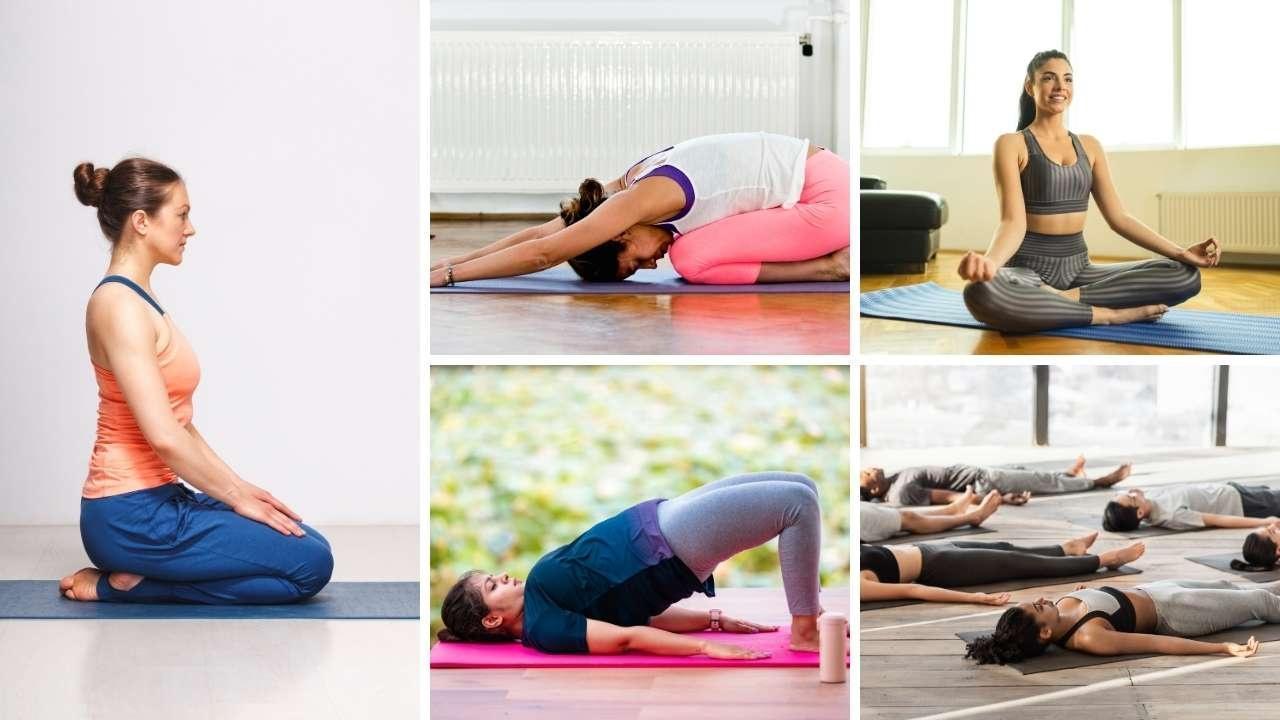
Winter often leads to sluggish digestion as the body prioritizes warmth. Heavy meals or limited activity can further impair digestion, indirectly affecting blood pressure. Vajrasana stands out as a beneficial winter pose that aids digestion and keeps the internal system vibrant.
Kneel with your feet tucked beneath your hips.
Maintain a straight back and relax your shoulders.
Place your hands on your thighs.
Close your eyes and breathe slowly.
Stay in this position for 5 to 10 minutes.
Enhances digestive functions
Mitigates gas and bloating
Boosts blood circulation
Alleviates mental stress
Keeps the body warm internally
This pose is particularly effective after meals when digestion usually slows.
As cold weather drives people indoors, stress and restlessness often increase. Stress is a significant contributor to sudden spikes in blood pressure. Balasana is a restorative pose ideal for deep relaxation.
Kneel and gently lean forward.
Extend your arms forward, resting your forehead on the ground.
Breathe slowly and calmly.
Remain in the pose for 1 to 3 minutes.
Provides profound mental relaxation
Prevents stress-induced blood pressure spikes
Calms the nervous system
Eases shoulder and back tension
Practicing this pose before sleep in winter can contribute to better rest and more stable blood pressure.
With winter leading to reduced blood circulation due to tight blood vessels, Setu Bandhasana is effective for opening the chest area and enhancing heart circulation.
Lie down on your back and bend your knees.
Position your feet hip-width apart.
Gently raise your hips.
Hold the pose for 10-15 seconds before relaxing.
Repeat 3 to 5 times.
Enhances blood flow
Strengthens the heart
Reduces fatigue
Supports healthy blood pressure
Incorporating this pose in the morning helps warm the body and benefits heart function.
Shorter winter days and limited sunlight can impact mood and energy levels, potentially causing stress and anxiety. Sukhasana is a straightforward sitting pose that instills calmness and stability.
Sit cross-legged on the floor.
Keep your spine straight and shoulders relaxed.
Close your eyes and breathe deeply and slowly.
Stay in this position for at least 5 minutes.
Calms the mind
Supports balanced blood pressure
Enhances focus
Alleviates anxiety and emotional stress
This pose is beneficial in both mornings and evenings, particularly in winter.
Winter can often make the body feel heavier and more fatigued. Shavasana is a complete relaxation pose that helps reduce stress and stabilize blood pressure.
Lie flat on your back.
Keep arms and legs comfortably apart.
Close your eyes and let your entire body relax.
Breathe naturally for 5 to 10 minutes.
Minimizes mental tension
Lowers heart rate
Provides complete relaxation
Promotes healthy blood pressure
Shavasana is an excellent way to conclude your yoga session or to recharge during a hectic winter day.
For optimal outcomes, keep these straightforward winter tips in mind:
Practice yoga in a warm setting.
Wear comfortable, warm attire.
Drink warm water before starting.
Move gently and avoid forcing any posture.
Aim for daily practice, even if only for 10-15 minutes.
Winter can subtly elevate blood pressure due to lower temperatures, decreased activity, and increased stress levels. However, integrating a short yoga routine into your day can naturally help manage these issues. The five poses—Vajrasana, Balasana, Setu Bandhasana, Sukhasana, and Shavasana—are straightforward, soothing, and remarkably effective.
With consistent practice, you can maintain your blood pressure, safeguard your heart, and feel energetic and relaxed all winter long.
This article is intended for general information and should not replace professional medical guidance. Each person’s body is unique, and yoga may not be appropriate for everyone. Consult your healthcare provider or a certified yoga instructor if you have high blood pressure, heart conditions, dizziness, joint issues, recent surgeries, or any ongoing health concerns before practicing these poses.
If you experience any pain, discomfort, or difficulty breathing in any pose, stop immediately. Practice yoga slowly in a safe, warm environment, and refrain from pushing your body beyond its limits. Your health and safety should always be prioritized.









Price Increase for Sony PS5 in Southeast Asia Effective May 1
Sony announces a price increase for the PS5 across Southeast Asia starting May 1, 2026, impacting ga

Potential ‘Super El Niño’ in 2026: Understanding the Climate Risks
Could a Super El Niño emerge in 2026? Discover its implications and potential global climate impacts

Global Energy Crisis Intensifies: Markets React to Oil Supply Challenges
Markets are on edge as oil disruptions escalate, influencing prices and economic stability. Explore

Must-See Tourist Spots in London You Can't Overlook
Explore London's essential attractions, from royal landmarks to vibrant markets, ensuring an unforge

Ultimate Guide to Snagging Cheap Flights in 2026
Unlock the secrets to booking affordable flights in 2026 with insightful tips and strategies tailore

The Impact of Consistent Small Investments on Wealth Building
Discover how investing small amounts regularly can positively transform your financial future over t




