Post by : Raina Nasser
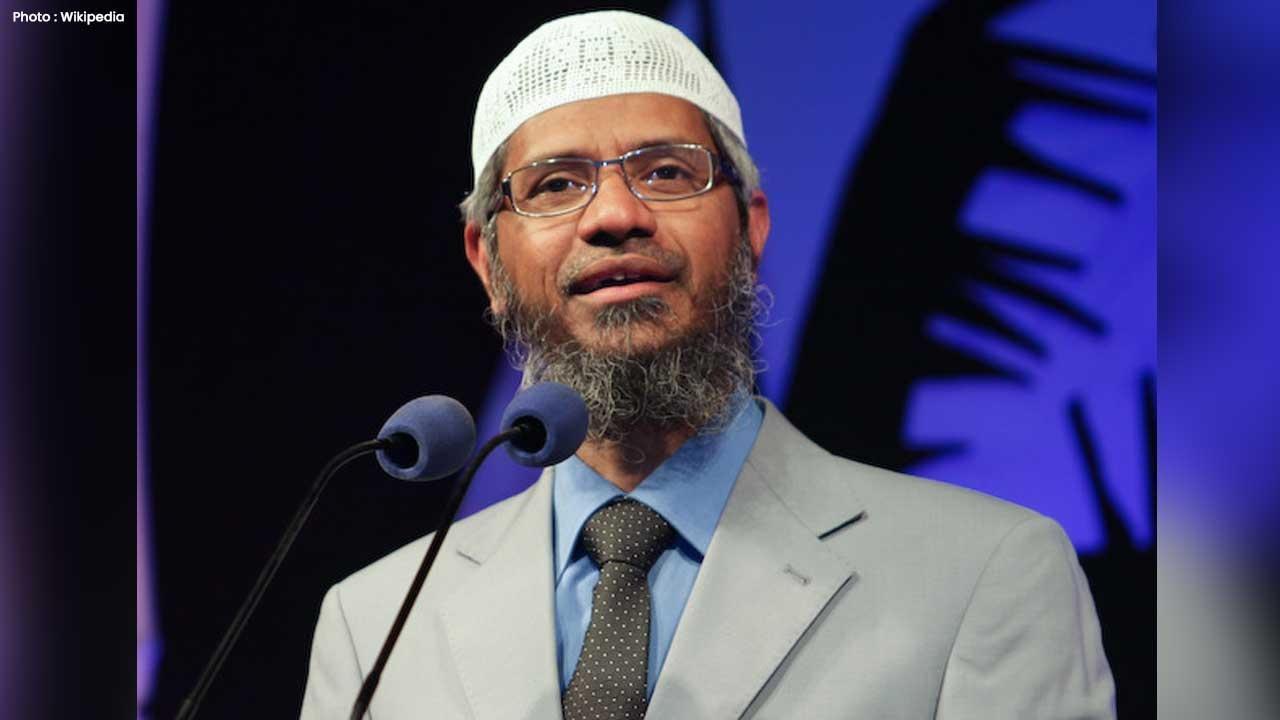
Nine years after the Holey Artisan Bakery attack in Dhaka, Bangladesh has authorised a month-long visit by preacher Zakir Naik, set to run from November 28 to December 20. The decision, taken by the Muhammad Yunus administration, has generated strong reactions across South Asia.
Indian authorities have long accused Naik of delivering inflammatory speeches that foster communal tension and have issued warrants. In 2016, the Sheikh Hasina government banned his Peace TV channel after investigators found indications of his influence on the Dhaka attackers. The Yunus government's clearance for his return has drawn criticism from those who see it as a sign of growing extremist influence.
Officials say Naik will travel to multiple cities and address public gatherings. Analysts argue the itinerary carries clear political implications in addition to religious outreach. Indian intelligence has warned his networks can be used to inflame anti-India sentiment, pointing to alleged links between organisations tied to him and forced conversion cases associated with the banned Popular Front of India (PFI).
On a Pakistan visit last year, Naik met individuals connected to Lashkar-e-Taiba, a group the United States placed on a terrorist blacklist in 2008. Security analysts worry his engagements in Bangladesh could similarly include undisclosed contacts with leadership from Harkat-ul-Jihad-i-Islami (HuJI) and Jamaat-ul-Mujahideen Bangladesh (JMB), groups Indian officials say are leveraged by external agencies to plan operations against India.
The endorsement comes while the Yunus administration faces scrutiny for reportedly releasing convicted militants and for perceived political proximity to Jamaat-e-Islami. Counterterror experts caution that granting a prominent platform to a polarising figure risks strengthening extremist networks regionally.
For New Delhi, Naik's return underscores the dangerous overlap of ideology and politics. His past remarks, including the statement "If bin Laden is fighting the enemies of Islam, I am with him", continue to unsettle international efforts to counter radicalisation.
Previously denied entry to the UK and Canada, Naik has lived in self-exile in Malaysia while maintaining reach via online platforms and satellite broadcasts in Urdu and Bangla. His continued influence despite legal restrictions highlights the transnational spread of his messaging.
Observers warn the visit could signal a shift in Dhaka's domestic and regional stance, potentially reopening fault lines tied to extremist politics and social polarisation.
As Naik prepares to return to Bangladesh after nearly a decade, governments and analysts will closely monitor his appearances and contacts. Whether the trip reopens old wounds or exposes deeper political calculations in Dhaka, it has unmistakably brought the preacher back into the centre of regional security discussions.










Mattel Revives Masters of the Universe Action Figures Ahead of Film Launch
Mattel is reintroducing Masters of the Universe figures in line with its upcoming film, tapping into

China Executes 11 Members of Criminal Clan Linked to Myanmar Scam
China has executed 11 criminals associated with the Ming family, known for major scams and human tra

US Issues Alarm to Iran as Military Forces Deploy in Gulf Region
With a significant military presence in the Gulf, Trump urges Iran to negotiate a nuclear deal or fa

Copper Prices Reach Unprecedented Highs Amid Geopolitical Turmoil
Copper prices soar to all-time highs as geopolitical tensions and a weakening dollar boost investor

New Zealand Secures First Win Against India, Triumph by 50 Runs
New Zealand won the 4th T20I against India by 50 runs in Vizag. Despite Dube's impressive 65, India