Post by : Monika
Photo: Reuters
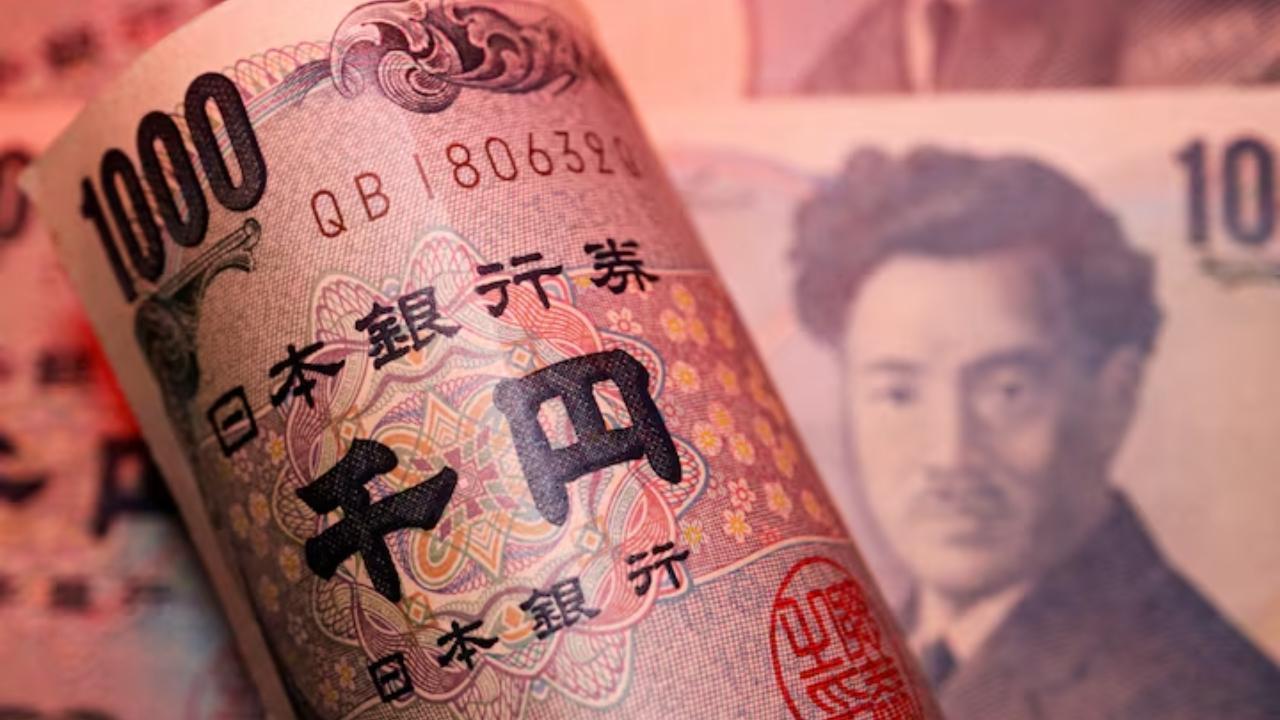
Japan faced sudden political drama when its Prime Minister, Shigeru Ishiba, announced his resignation. Ishiba had been in office for less than a year, but his leadership came under heavy pressure after his party lost a large number of seats in recent elections.
His decision to step down shocked many people inside and outside Japan. The resignation not only created uncertainty about who would become the next leader but also immediately affected the country’s economy. The Japanese currency, called the yen, fell in value right after the news.
In global finance, political stability is very important. When a leader resigns, investors become worried about what will happen next. They start moving money around, which causes changes in currency value, stock prices, and bond markets. That’s exactly what happened in Japan.
Why the Yen Dropped
The yen weakened quickly after Ishiba’s resignation. Investors feared that the next Prime Minister might bring new policies that could affect spending, taxes, or interest rates. These fears made them less confident in the yen.
Here’s what happened:
When the yen loses value, it means Japanese people need more yen to buy the same amount of foreign goods. For example, if Japanese companies want to buy oil, gas, or wheat from abroad, they now have to spend more yen to get the same amount.
The Political Uncertainty
Leadership changes often make investors nervous. In this case, Ishiba’s resignation came at a time when Japan was already struggling with rising debt and a slowing economy.
One of the leading candidates to replace Ishiba is Sanae Takaichi, a senior member of the ruling party. She has called for more government spending and criticized Japan’s recent higher interest rates. If she becomes Prime Minister, many experts believe the yen could fall even more, because more spending usually weakens the value of money.
This uncertainty about the new leader’s policies is the main reason the yen fell so sharply. Investors simply don’t know what Japan’s financial future will look like until a replacement is chosen.
How Stock Markets Reacted
As a result, Japan’s main stock index, the Nikkei, rose by over 1%. For many companies, a weaker yen can be a good thing because it makes their exports cheaper in other countries.
The Bond Market Pressure
Japan already has one of the world’s largest debts compared to the size of its economy. If borrowing costs stay high, it could make it harder for the country to manage its budget.
The U.S. dollar weakened slightly because a new jobs report showed slower growth in the United States. Many now believe the U.S. central bank, called the Federal Reserve, might cut interest rates soon.
The euro, British pound, Australian dollar, and New Zealand dollar all gained a little compared to the U.S. dollar.
This shows how closely connected global markets are. A leadership change in Japan, combined with economic data from the United States, can move money around the world within hours.
What Experts Are Saying
Analysts gave different views on what the resignation means:
A strategist in Tokyo said investors are acting cautiously because they don’t know who the next leader will be. Until a new Prime Minister is chosen, uncertainty will remain.
Another expert in Singapore explained that political instability might delay important decisions about Japan’s interest rates. That means markets could stay volatile.
Some analysts warned that if the next leader supports heavy government spending, bond yields might climb higher, which could hurt Japan’s long-term financial health.
What Happens Next in Japan
Once a new leader is chosen, attention will quickly turn to their policies. Will they spend more, lower taxes, or adjust interest rates? Each decision will impact the value of the yen and Japan’s economy.
This leadership change is a critical moment for Japan. It could set the direction of the country’s financial future for many years.
An Easy Example for Students
To make this easier to understand, let’s imagine a simple story:
Think of your school. If the school principal suddenly quits, everyone feels uncertain. Students wonder if the new principal will change the rules, raise fees, or bring in new teachers. Until a replacement is chosen, people worry about what will happen.
Japan’s resignation story is similar—just on a much larger scale. Instead of a principal, it’s the Prime Minister. Instead of school rules, it’s financial policies. And instead of students, it’s millions of people, investors, and companies who are waiting to see what comes next.
Event Effect
Japan is the world’s third-largest economy, so its political events affect not only its own people but also international markets. The resignation of Prime Minister Ishiba is more than just a local news story—it’s a global financial event.
The outcome of the leadership contest will determine whether Japan strengthens its economy or faces more challenges. Investors, businesses, and ordinary citizens will all feel the impact.For now, the yen remains weak, markets are unsettled, and all eyes are on who will step forward to lead Japan next.









Mattel Revives Masters of the Universe Action Figures Ahead of Film Launch
Mattel is reintroducing Masters of the Universe figures in line with its upcoming film, tapping into

China Executes 11 Members of Criminal Clan Linked to Myanmar Scam
China has executed 11 criminals associated with the Ming family, known for major scams and human tra

US Issues Alarm to Iran as Military Forces Deploy in Gulf Region
With a significant military presence in the Gulf, Trump urges Iran to negotiate a nuclear deal or fa

Copper Prices Reach Unprecedented Highs Amid Geopolitical Turmoil
Copper prices soar to all-time highs as geopolitical tensions and a weakening dollar boost investor

New Zealand Secures First Win Against India, Triumph by 50 Runs
New Zealand won the 4th T20I against India by 50 runs in Vizag. Despite Dube's impressive 65, India