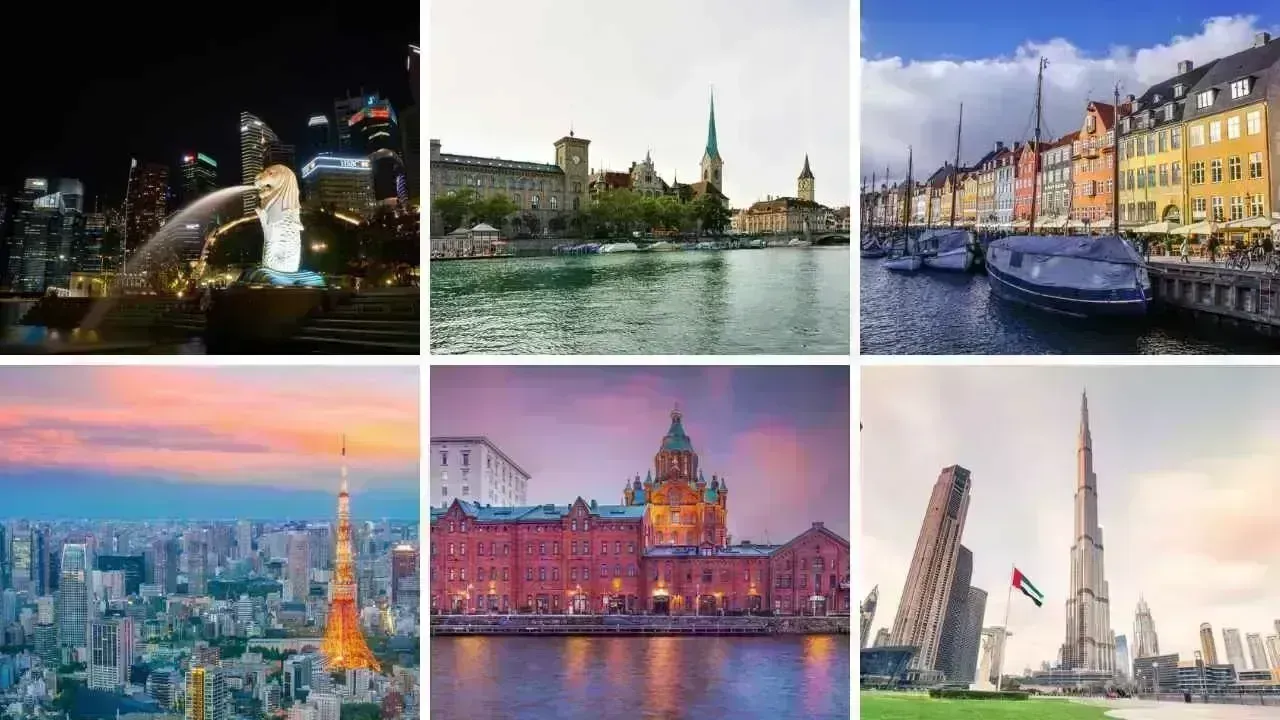
Post by : Mikhael Nasser
In an era where bustling metropolises often face issues like congestion and pollution, clean cities provide a refreshing contrast. Exceptional urban areas such as Singapore, Zurich, Copenhagen, Tokyo, Helsinki, and Dubai lead in maintaining pristine environments, with clean streets, fresh air, and orderly public spaces, showcasing a harmonious balance between modern living and cleanliness.
Visitors often notice the difference immediately upon arrival. These well-maintained urban areas not only attract tourists but enhance the overall living standards for residents—fostering safer and more approachable environments.
This article delves into the world’s cleanest cities, revealing why they stand out, how cleanliness enhances daily life, and the reasons to visit at least once.
In metropolitan areas like Singapore and Tokyo, maintaining cleanliness is ingrained in daily life. Citizens avoid littering, actively promoting respect for shared spaces, thus prioritizing hygiene over mere regulations.
Inhabitants efficiently utilize waste bins, keep public transport areas tidy, and clear sidewalks. This collective attitude stems from education and a sense of civic duty, naturally preserving the cleanliness of these cities.
Cities like Zurich and Copenhagen excel in meticulous urban planning. Thoughtfully designed infrastructures—roadways, housing, marketplaces, and parks—enhance organization. Strategic waste collection points, effective drainage, and traffic management sustain cleanliness.
Proactive measures keep issues like flooding and pollution at bay, promoting public health and economic efficiency over time.
Effective public transportation systems in cities like Helsinki and Tokyo encourage residents to opt for public transit over private vehicles. Clean buses, metros, and trains contribute to reduced traffic congestion, noise pollution, and improved air quality.
Transport hubs receive routine cleaning, with users expected to adhere to guidelines, ensuring a safe and inviting travel experience.
Parks and greenery are vital for clean urban environments. In areas like Copenhagen and Helsinki, tree-lined streets and abundant parks enhance air quality and provide spaces for relaxation.
These green spaces not only beautify cities but also contribute to a healthier lifestyle, especially for families.
Many leading clean cities harness technology to uphold cleanliness—such as Singapore and Zurich, where smart waste bins signal when they are full and cleaning machines operate during low-traffic hours. Air-quality monitoring systems help in pollution control.
Innovative techniques for water reuse further support cleaning and landscaping while conserving precious resources.
Among the cleanest cities in the Middle East, Dubai upholds rigorous standards of hygiene. Daily cleaning of roads, parks, and public venues, alongside stringent anti-littering campaigns, ensures cleanliness across the board.
The city exemplifies how rapid growth can coincide with high cleanliness standards through effective waste management and civic awareness initiatives.
Travelers often recall their experiences in cities that prioritizes cleanliness. Urban areas like Singapore, Zurich, and Dubai exude a sense of safety, tranquility, and hospitality. Walking becomes enjoyable, and public spaces offer comfort.
Tourists can savor their journeys without the concern of pollution or sanitation, making these clean cities frequent favorites for return visits.
The key takeaway from these clean cities is that achieving cleanliness transcends financial investments. It hinges on effective planning, strong leadership, and public collaboration. Small steps, such as regular clean-up drives, educational initiatives, and respect for communal spaces, can result in significant transformations.
When governments and citizens unite for a common purpose, cities evolve into better living environments.
The cleanest cities globally—Singapore, Zurich, Copenhagen, Tokyo, Helsinki, and Dubai—are more than just their spotless streets; they embody an enriched lifestyle.
They serve as a reminder that a clean urban environment is a fundamental need, not a privilege. For the future of urban amalgamations, cleanliness has transitioned from an option to a necessity.
This article aims to provide general information and raise public awareness. The listed cities serve as examples based on common cleanliness standards, public behaviors, and widely acknowledged urban conditions. Cleanliness levels may fluctuate over time due to various factors. The perspectives offered here do not provide any official rankings or endorsements. For accurate, up-to-date details, readers should consult local authorities or official city sources.









Anticipated Dates for UAE Eid Al Adha 2026 Unveiled by Astronomical Experts
Experts predict Eid Al Adha 2026 in the UAE to start on May 27, prompting early holiday planning amo

DAE Achieves Remarkable Growth in Q1 2026 With Record Revenue
Dubai Aerospace Enterprise announces impressive financial results for Q1 2026, reflecting a surge in

Price Increase for Sony PS5 in Southeast Asia Effective May 1
Sony announces a price increase for the PS5 across Southeast Asia starting May 1, 2026, impacting ga

Potential ‘Super El Niño’ in 2026: Understanding the Climate Risks
Could a Super El Niño emerge in 2026? Discover its implications and potential global climate impacts

Global Energy Crisis Intensifies: Markets React to Oil Supply Challenges
Markets are on edge as oil disruptions escalate, influencing prices and economic stability. Explore

Must-See Tourist Spots in London You Can't Overlook
Explore London's essential attractions, from royal landmarks to vibrant markets, ensuring an unforge




