Post by : Anees Nasser
Women’s health and wellness are undergoing a substantive recalibration. No longer confined to reproductive or cosmetic issues, the scope in 2025 spans hormonal regulation, sustained energy, midlife strength, digitally enabled monitoring, and customised care pathways.
The traditional blanket approaches are losing ground. Women increasingly expect interventions tailored to life stage, physiology and personal priorities. Whether the focus is on fatigue, cycle management, menopause, mental resilience or functional fitness, the agenda is expanding and becoming more nuanced.
This analysis outlines the principal trends reshaping women’s wellness this year, examines the forces behind them, identifies new developments and outstanding shortcomings, and offers ways for readers and communicators to respond thoughtfully.
Multiple factors are aligning to reshape women’s wellness:
Greater biological complexity and distinct life stages. Women routinely experience longer lifespans and multiple defined phases: puberty, fertility, parenting, perimenopause, menopause and post‑menopause. Each phase carries specific health priorities.
Research shortfalls gaining scrutiny. Historically under‑funded areas such as hormonal health, menopause and menstrual disorders are receiving increased public and scientific attention.
Rapid femtech and device adoption. Wearables, apps and diagnostics now give women tools to monitor and act on physiological data tailored to female biology.
Wellness as a broad cultural framework. Women’s health now intersects with fitness, nutrition, mental wellbeing, sleep and recovery, reflecting a holistic wellness mindset.
Consumer agency and scrutiny of claims. Women are less willing to accept generic wellness messaging and seek evidence‑based, personalised solutions aligned with their objectives (energy, resilience, functional capacity).
Social platforms and communal influence. Online communities and influencers accelerate conversations about fatigue management, hormonal optimisation and strength training, normalising these topics.
The most prominent focus areas gaining traction this year include:
A central shift is the prioritisation of energy and fatigue management over conventional appearance‑based goals. Survey data indicate a significant share of women now list sustained energy as their top wellness priority.
This change mirrors everyday demands: juggling careers, caregiving and personal ambitions. Wellness goals increasingly emphasise functional stamina rather than purely cosmetic outcomes.
Market responses include brief recovery protocols, midday revitalisers, adaptogenic formulations and lifestyle plans designed to bolster resilience rather than enforce restriction.
Attention to hormonal wellbeing across cycles and later life stages is rising. This is reflected in several developments:
Growing public debate on historical clinical neglect and medical bias against female‑specific conditions.
Expansion of peer networks and dedicated community resources addressing menstruation, menopause and related disorders.
New monitoring tools and non‑invasive technologies focused on cycle tracking, hormone patterns and AI‑assisted interpretation.
The framing is shifting from forcing women into male‑centered models to developing interventions that accommodate female physiology across the lifespan.
Fitness paradigms are moving beyond thinness toward strength, functional capacity, bone preservation and mobility—particularly relevant for women entering midlife.
Many women now prioritise becoming stronger and more capable rather than simply smaller. Resistance training and functional movement are gaining mainstream acceptance, though cultural and confidence barriers persist.
Midlife is being recast as an active phase, with targeted nutrition, exercise and recovery strategies for women in their 40s, 50s and beyond.
Customisation is now an expectation. Increasing numbers of women use wearables and apps to monitor sleep, cycles, hormonal symptoms, recovery and stress. These tools are evolving from general trackers to female‑centred systems that account for physiological fluctuation.
Alongside innovation, demands for data transparency, privacy safeguards and proven efficacy are intensifying, as femtech faces regulatory and ethical scrutiny.
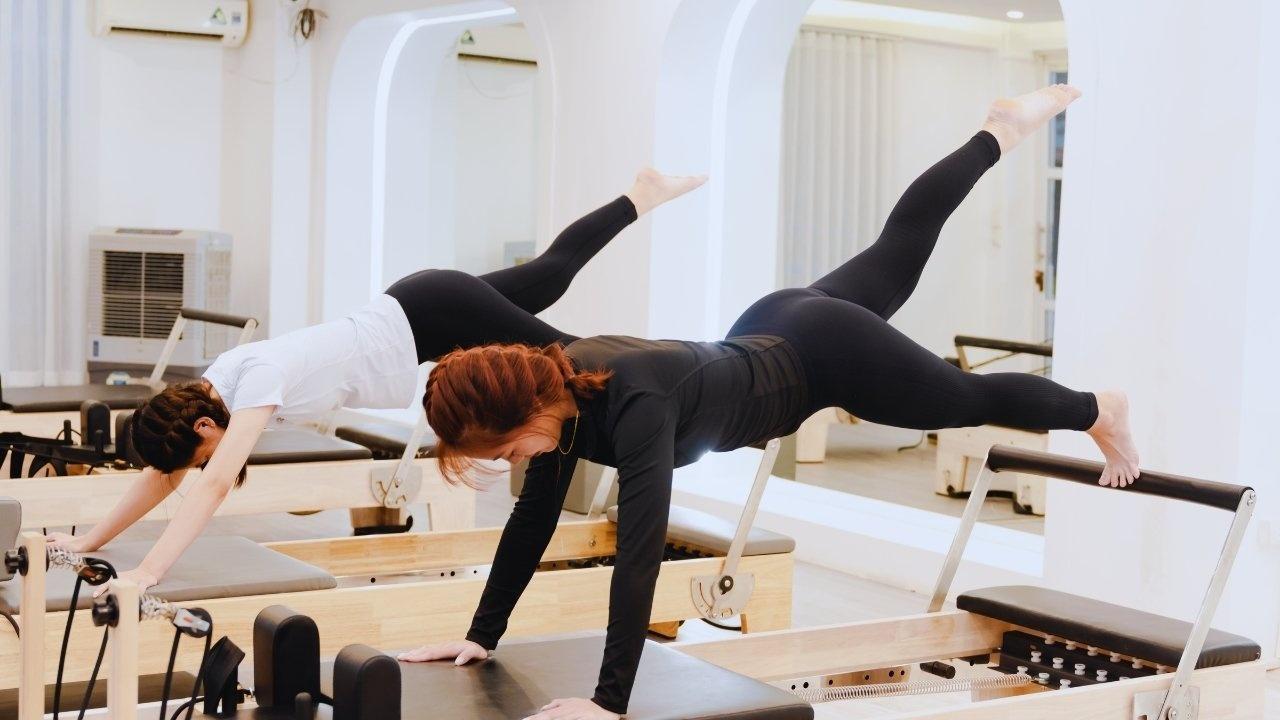
Women’s wellness now includes mental resilience, restorative sleep, recovery practices and social support. Hormonal changes can disrupt sleep, prompting demand for targeted sleep solutions and recovery‑focused modalities such as Pilates, mindful strength work and nature‑based therapies.
Recovery is being reframed as an active component of health strategy—supporting nervous system regulation, stress mitigation and cycle‑aware training to prevent burnout.
Nutrition choices increasingly emphasise functional outcomes: hormone support, bone maintenance, energy and muscle recovery. Ingredients such as protein, fibre, collagen and probiotics are rising in prominence for their functional benefits.
Messaging is shifting from calorie‑restriction to optimisation—prioritising what bodies need at different stages rather than one universal diet.
Product launches tailored to women’s sleep issues, including interventions for hot flashes, night sweats and cycle‑related disturbances.
Rapid growth in non‑clinical community hubs offering support for hormonal and midlife concerns.
Femtech firms advancing non‑invasive diagnostics, AI‑driven cycle analytics and realtime feedback for women’s health management.
Nutrition trends prioritise energy support—combining protein, fibre and recovery‑oriented strategies over simple weight‑loss messaging.
Marketing narratives are reorienting away from slender ideals toward strength, vitality and autonomy.
Data governance and ethical questions around cycle‑tracking are in sharper focus, prompting calls for clearer regulation and user protections.
The practical implications for women include:
Broader, life‑stage sensitive options that reflect physiological realities.
Enhanced agency in health decisions through tracking and personalised interventions.
A wider definition of wellbeing that values strength and function alongside appearance.
Improved supports for midlife transitions that have been historically overlooked.
For writers, editors and health communicators this evolution presents distinct opportunities:
Fresh angles beyond weight‑loss tropes—topics such as cycle optimisation, strength training after 45 and clinical‑consumer integration for women’s health.
Demand for rigorous, evidence‑based coverage that centres female physiology and diverse experiences.
Scope to address equity issues: research gaps, femtech data practices and accessibility of targeted services.
Despite progress, notable obstacles remain:
Research funding and clinical study representation for female‑specific conditions still lag behind need.
Access and affordability: many targeted solutions are concentrated in high‑income and urban markets, limiting broader reach.
Data privacy risks: cycle and reproductive data collected by apps require stronger consent frameworks and oversight.
Persistent weight stigma: cultural pressures around appearance continue to influence behaviour despite a shift toward functional goals.
Overpromised claims: rapid commercial growth in femtech and functional nutrition has outpaced robust evidence in some areas, underscoring the need for critical appraisal.
Actions to engage productively with these trends include:
Establish a personal baseline: Identify your current life stage and primary wellness priorities—energy, hormones, strength, recovery—and adjust goals accordingly.
Pose specific questions: Replace vague goals with targeted enquiries like: “How can I sustain energy while juggling caregiving and work?” or “What sleep strategies help during perimenopause?”
Use technology judiciously: Choose trackers and apps with transparent privacy policies and clear clinical relevance; use data to inform decisions rather than as an end in itself.
Prioritise recovery and resilience: Value sleep, rest protocols, nervous‑system regulation and cycle‑aware programming as core components of health.
Emphasise strength and functionality: Integrate resistance work, mobility and functional fitness, especially through midlife.
Focus nutrition on function: Seek dietary approaches that support energy, bone and hormonal health rather than restrictive eating patterns.
Be evidence‑minded: Scrutinise wellness claims—check funding sources, scientific backing and inclusivity of research samples.
Future directions likely include:
Deeper integration of female‑specific data and life‑stage insights into consumer health technologies.
Greater inclusivity in product design and clinical attention across ethnicities, income brackets and geographies.
Tighter alignment between consumer wellness tools and clinical care, creating more holistic care pathways for women.
Elevating midlife wellness into a mainstream category focused on menopause, bone health, strength and vitality rather than marginalised concerns.
Stronger regulatory and ethical frameworks governing femtech, data use and health claims.
In 2025, women’s wellness has become a central, complex and rapidly evolving field. From energy management to lifecycle hormonal care, strength training and personalised technology, the terrain is broadening and professionalising.
For women, this signals greater choice, tailored support and enhanced control over health journeys. For authors and health professionals, it offers richer storylines and a responsibility to report rigorously and inclusively.
The old narratives that equated fitness with thinness are yielding to a more substantive ideal: being fit to be strong, capable and engaged. That evolution is both consequential and overdue.
This analysis is intended for informational and editorial purposes only. It outlines emerging wellness patterns affecting women and does not replace professional medical, nutritional or therapeutic advice. Consult qualified practitioners for clinical decisions.









Top 10 Must-See Attractions in NYC for First-Time Explorers
Discover essential experiences for first-time visitors to NYC, including attractions, culture, and i
Starbucks Engages Boyu Capital for Major Chinese Expansion
Starbucks teams up with Boyu Capital, selling a majority stake to boost growth and adapt to the Chin

Three Individuals Charged in Massive Meth Trafficking Case in Malaysia
In Malaysia, a married couple and another suspect are charged with trafficking 510kg of meth, facing

Singapore Police Revisit Geylang Murder Scene with Suspect
In Geylang, police return a murder suspect to the scene of a crime involving the fatal stabbing of a

Mattel Revives Masters of the Universe Action Figures Ahead of Film Launch
Mattel is reintroducing Masters of the Universe figures in line with its upcoming film, tapping into