Post by : Saif Nasser
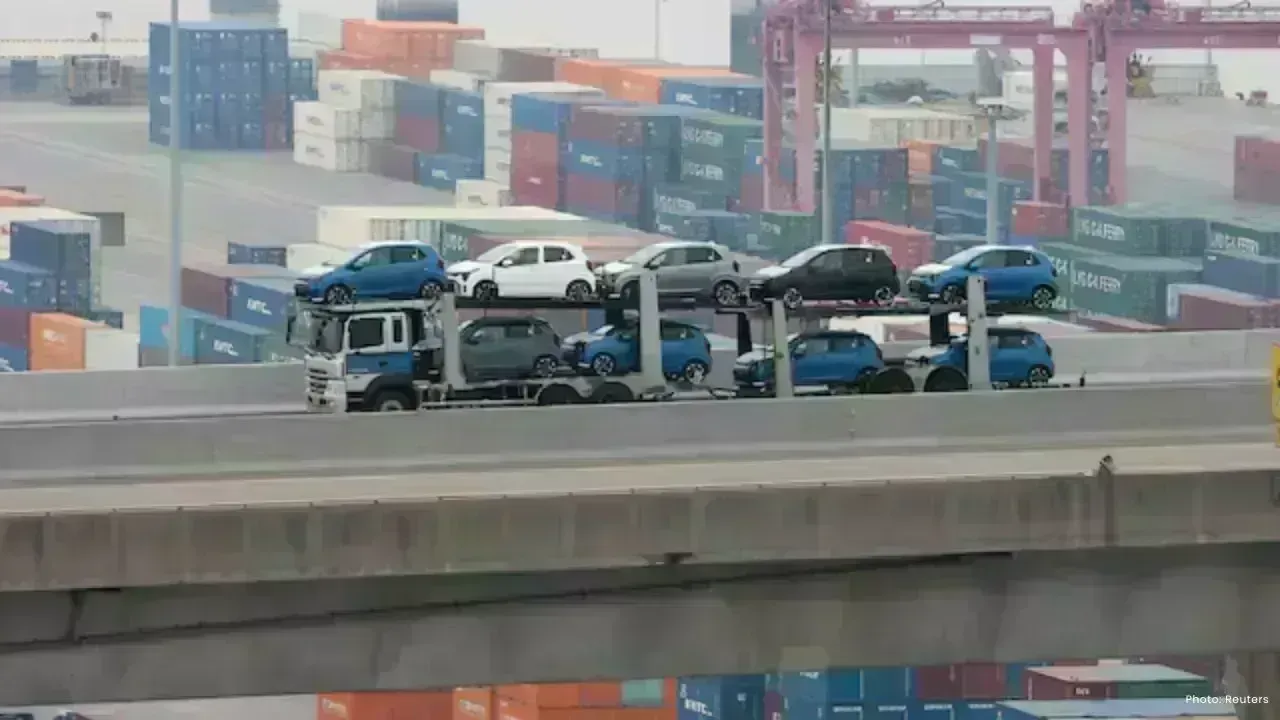
President Donald Trump has once again warned that the United States could raise tariffs on goods imported from South Korea, including cars, increasing trade tension between the two close allies. The proposed tariff hike would raise duties to 25%, much higher than the 15% cap agreed under a trade deal signed last year.
The warning came after South Korea failed to fully implement the agreement reached during President Trump’s visit to Seoul in October 2025. Under that deal, South Korea promised to invest around 350 billion dollars in key US industries. In return, Washington agreed to limit tariffs on South Korean products. However, the investment plan has moved slowly, frustrating the US administration.
South Korean officials say the delay is due to practical and economic challenges, not a lack of intent. Finance Minister Koo Yun-cheol has said the investments are hard to begin quickly because of complex approval steps and unstable currency conditions. The South Korean won has weakened sharply against the US dollar in recent months, raising fears that sending large sums of money abroad could hurt the local economy.
Currency stability is a major issue for South Korea. Authorities worry that a large outflow of funds could push the won to levels not seen since the global financial crisis. The central bank has made it clear that it would oppose major overseas investments if the currency market becomes too volatile.
Another key obstacle is South Korea’s parliament. To move forward with the deal, the government must pass a new law to create a special investment fund. This bill has been delayed due to disagreements among lawmakers. Although the ruling Democratic Party holds a majority, the finance committee reviewing the bill is chaired by the opposition, slowing progress further.
The United States has also pointed to other trade-related concerns. US officials are unhappy with how some American technology companies are treated in South Korea. A recent data breach involving Coupang, a US-listed online retailer, led to regulatory action that the company says was unfair and damaged investor confidence. While South Korea denies targeting US firms, the issue has added strain to bilateral relations.
The contrast with Japan has made the situation more sensitive. Japan signed a similar trade framework with the United States but moved faster to approve it through parliament and begin investment discussions. This has increased pressure on South Korea to act more quickly.
President Trump’s tariff warning appears to be a push to force action. Higher tariffs would hurt South Korean exporters, especially carmakers, but they could also raise costs for US consumers and businesses. Both sides have strong reasons to avoid a trade fight.
For now, South Korea is seeking cooperation from parliament and continued dialogue with Washington. Whether the dispute cools down or escalates will depend on how quickly the trade deal moves forward and how well both countries manage their broader economic concerns.







Price Increase for Sony PS5 in Southeast Asia Effective May 1
Sony announces a price increase for the PS5 across Southeast Asia starting May 1, 2026, impacting ga

Potential ‘Super El Niño’ in 2026: Understanding the Climate Risks
Could a Super El Niño emerge in 2026? Discover its implications and potential global climate impacts

Global Energy Crisis Intensifies: Markets React to Oil Supply Challenges
Markets are on edge as oil disruptions escalate, influencing prices and economic stability. Explore

Must-See Tourist Spots in London You Can't Overlook
Explore London's essential attractions, from royal landmarks to vibrant markets, ensuring an unforge

Ultimate Guide to Snagging Cheap Flights in 2026
Unlock the secrets to booking affordable flights in 2026 with insightful tips and strategies tailore

The Impact of Consistent Small Investments on Wealth Building
Discover how investing small amounts regularly can positively transform your financial future over t