Post by : Priya
Photo:AP
Peace is a hope for millions in Ukraine, Russia, and around the world. The war between Russia and Ukraine has caused enormous pain, loss, and uncertainty. Everyone wants it to end as soon as possible, including powerful leaders like former U.S. President Donald Trump and Russia's President Vladimir Putin. But as talks stretch on, frustration grows. Recently, Putin offered a clear view on why peace negotiations seem disappointing, especially for people like Trump: people expect too much, too soon.
Why Is Trump Frustrated With Peace Talks?
Trump has always presented himself as a dealmaker who can solve problems quickly. During and after his presidency, he has promised quick fixes for the Russia-Ukraine conflict, suggesting he could broker a peace deal within weeks. Trump has gone so far as to publicly set tough deadlines for the Russian side, such as 50 days and, later, as little as 10-12 days. He hinted at strong actions, including new tariffs and sanctions, if Russia did not comply with his peace plan.
However, real-world diplomacy is often more complicated. Efforts to secure peace have been slow and filled with challenges. There have been many discussions, proposals, setbacks, and fresh hostilities. For Trump, and for many watching, these delays are disappointing and even infuriating.
Putin's Explanation: 'Too High Expectations'
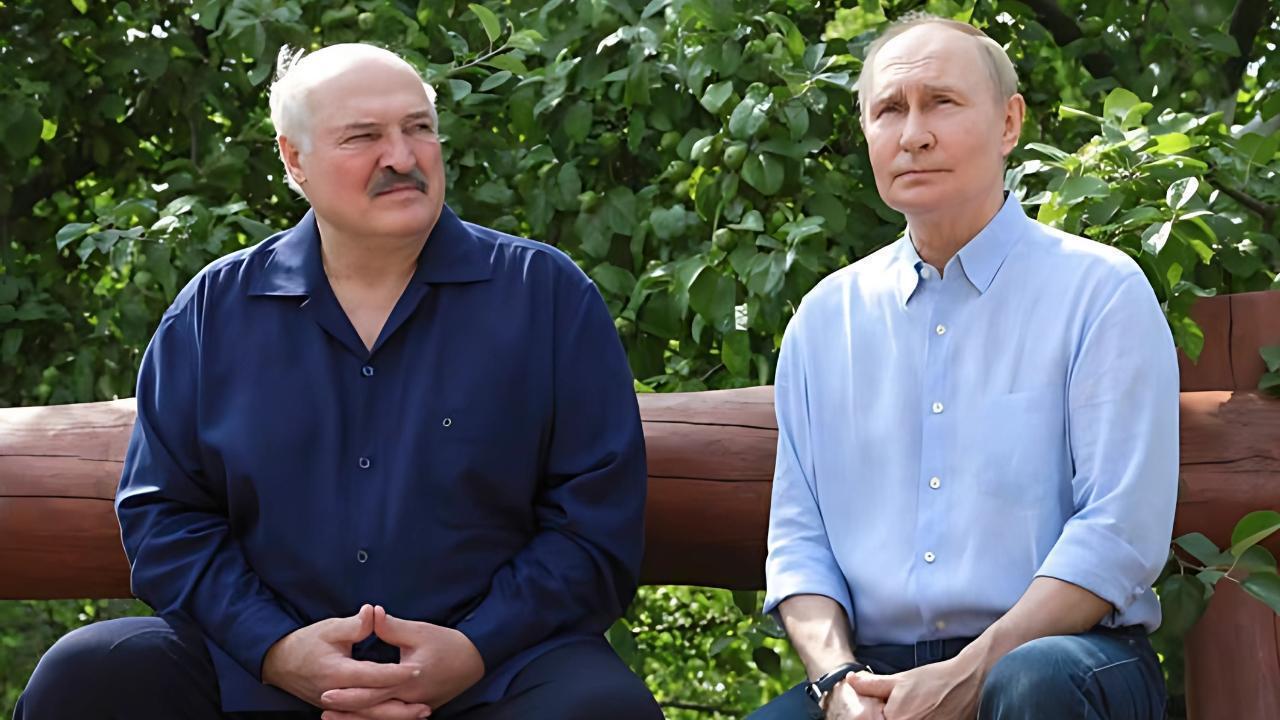
Vladimir Putin, Russia’s long-time leader, responded to Trump’s frustration in a recent public statement. His explanation was straightforward: people’s expectations for a peace deal are simply too high. Putin said that the world—including influential figures like Trump—hoped for instant solutions and quick results. Given the complexity of the situation, this wish for speed set everyone up for disappointment.
"It is excessive expectations that cause all these disappointments," Putin remarked, emphasizing that real negotiations are slow, delicate, and best handled quietly.
Putin also pointed out that peace talks are not helped by setting public deadlines or making loud announcements. Instead of pressuring negotiators into rapid deals, he advised patience and realism.
The Reality of Peace Talks
Negotiations between countries in conflict are never easy. Many interests, histories, and demands come to the table. In the case of Ukraine and Russia, things are especially complicated:
Territory Issues: Russia has demanded control over certain parts of Ukraine, which Ukraine refuses to surrender.
Ukraine’s Status: Russia wants Ukraine to be neutral, not joining military alliances like NATO. Ukraine, however, looks to the West for support.
International Involvement: The United States, European Union, and other countries influence the talks, adding more voices and expectations.
Ongoing Violence: Bombings and fighting continue almost daily, making a peaceful end even harder to reach.
Against this backdrop, it is easy to see why results have been so slow. Quick settlements rarely resolve deep-rooted issues. Most veteran diplomats warn that a rushed deal might only plant the seeds for future conflicts.
What Are Russia's Conditions?
Putin’s government has presented several conditions for a peace agreement:
Recognition of Controlled Areas: Russia wants international recognition for its authority over parts of Eastern Ukraine and Crimea.
Ukrainian Neutrality: Russia insists that Ukraine remain neutral and never join NATO.
Sanctions Relief: Moscow seeks the lifting of Western sanctions that have hurt Russia’s economy.
For most Ukrainians and their Western supporters, these demands are not acceptable. They see them as a violation of Ukraine’s sovereignty and rights. That is why negotiations have been so tough, and neither side is willing to give in easily.
Why Are Deadlines a Problem?
Trump’s approach—setting tight deadlines and threatening consequences—reflects his business and political style. While it may work in business negotiations, international politics operate under different rules:
Loss of Trust: Public threats or deadlines can make one side less willing to cooperate, fearing humiliation or bad faith.
Missed Details: Rushing talks can leave crucial issues unsettled, leading to more conflict later.
Global Audience: With so many watching, there is extra pressure on leaders to not appear weak or give too much away.
Putin and his officials have not responded to Trump’s deadlines. Instead, they have said that diplomacy cannot be timed like a business deal and must go at its own pace.
The Human Cost Behind Negotiation Tables
While politicians speak, regular people suffer. Across Ukraine, families face the constant threat of violence, destruction of homes, and economic hardship. In Russia, families feel the pain of lost soldiers and international isolation. The wider region lives with insecurity and fear.
War is not just a question of territory or power; it is about everyday lives. Any peace deal—no matter how slow—has the potential to save lives and end suffering. This is why it is vital to manage expectations and remember the complexity facing both sides.
Global Reactions: Hope, Pressure, and Doubt
The international community remains deeply engaged. The United States, under its current leadership, continues to support Ukraine with aid and weapons. The European Union imposes sanctions on Russia and urges diplomacy. Many world leaders echo Putin’s argument: Real results require patience, not hasty deals or grand announcements.Diplomats stress that failing to resolve the root causes of the war may bring temporary peace, but not lasting stability.









DAE Achieves Remarkable Growth in Q1 2026 With Record Revenue
Dubai Aerospace Enterprise announces impressive financial results for Q1 2026, reflecting a surge in

Price Increase for Sony PS5 in Southeast Asia Effective May 1
Sony announces a price increase for the PS5 across Southeast Asia starting May 1, 2026, impacting ga

Potential ‘Super El Niño’ in 2026: Understanding the Climate Risks
Could a Super El Niño emerge in 2026? Discover its implications and potential global climate impacts

Global Energy Crisis Intensifies: Markets React to Oil Supply Challenges
Markets are on edge as oil disruptions escalate, influencing prices and economic stability. Explore

Must-See Tourist Spots in London You Can't Overlook
Explore London's essential attractions, from royal landmarks to vibrant markets, ensuring an unforge

Ultimate Guide to Snagging Cheap Flights in 2026
Unlock the secrets to booking affordable flights in 2026 with insightful tips and strategies tailore




