Post by : Saif Nasser
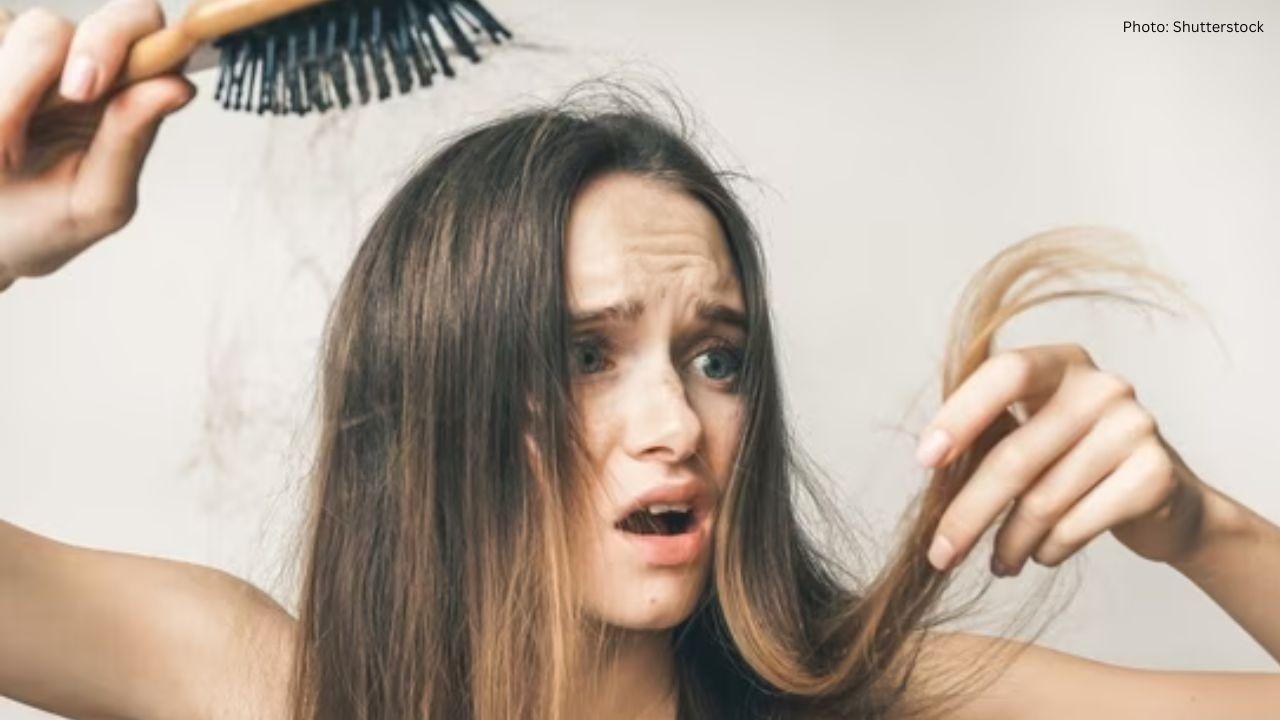
Many people start noticing more hair fall once they cross the age of 30. Hair thinning, receding hairlines, or excessive strands on the pillow can be upsetting, especially when it happens earlier than expected. Dermatologists say this problem is common and usually linked to a mix of stress, hormonal changes, daily habits, and family history.
Life in the 30s often becomes busy and demanding. Career pressure, family responsibilities, financial planning, and personal goals can increase mental stress. Doctors explain that stress raises cortisol, a hormone that directly affects hair health. High cortisol levels reduce the flow of nutrients and blood to the hair roots. Stress can also disturb sleep, which is the time when hair growth and repair take place. Over time, this weakens the roots and increases hair fall. In some cases, stress causes scalp muscles to tighten, which further lowers blood supply to the hair follicles.
Hormones also play a major role in hair health. In the 30s, changes in hormones such as estrogen and progesterone can begin, especially in women. These hormones help keep hair thick and strong. When their levels drop and stress hormones rise, hair growth slows and hair fall increases. Doctors say hormonal hair loss is different for each person, which is why there is no single solution that works for everyone.
Lifestyle habits have a strong impact on hair health as well. Irregular sleep, poor diet, smoking, excess coffee intake, lack of exercise, and crash dieting can deprive hair follicles of oxygen and essential nutrients. Dermatologists often find that people in their 30s with hair fall have low levels of iron, protein, vitamin D, or B vitamins. Frequent heat styling, chemical treatments, and hair colouring also damage the hair shaft, making hair look thin and fragile.
Genetics is another important factor that cannot be ignored. If early hair thinning or pattern hair loss runs in the family, signs often appear in the 30s. While genetics sets the base, stress and unhealthy habits can speed up the process and make hair loss more noticeable.
Doctors advise starting care as soon as hair thinning becomes visible. A balanced diet with enough protein, iron, fruits, vegetables, and healthy fats helps nourish hair roots. Gentle oiling and scalp massage at least twice a week can improve blood circulation. Managing stress through walking, yoga, stretching, or simple breathing exercises before sleep can lower cortisol levels and support hair growth.
If hair fall continues despite lifestyle changes, experts recommend consulting a dermatologist. Medical treatments, nutritional support, and advanced options like PRP therapy may help slow hair loss and strengthen existing hair. When combined with good nutrition, stress control, and regular scalp care, these steps support long-term hair health and can make a noticeable difference over time.










Price Increase for Sony PS5 in Southeast Asia Effective May 1
Sony announces a price increase for the PS5 across Southeast Asia starting May 1, 2026, impacting ga

Potential ‘Super El Niño’ in 2026: Understanding the Climate Risks
Could a Super El Niño emerge in 2026? Discover its implications and potential global climate impacts

Global Energy Crisis Intensifies: Markets React to Oil Supply Challenges
Markets are on edge as oil disruptions escalate, influencing prices and economic stability. Explore

Must-See Tourist Spots in London You Can't Overlook
Explore London's essential attractions, from royal landmarks to vibrant markets, ensuring an unforge

Ultimate Guide to Snagging Cheap Flights in 2026
Unlock the secrets to booking affordable flights in 2026 with insightful tips and strategies tailore

The Impact of Consistent Small Investments on Wealth Building
Discover how investing small amounts regularly can positively transform your financial future over t