Post by : Saif Nasser
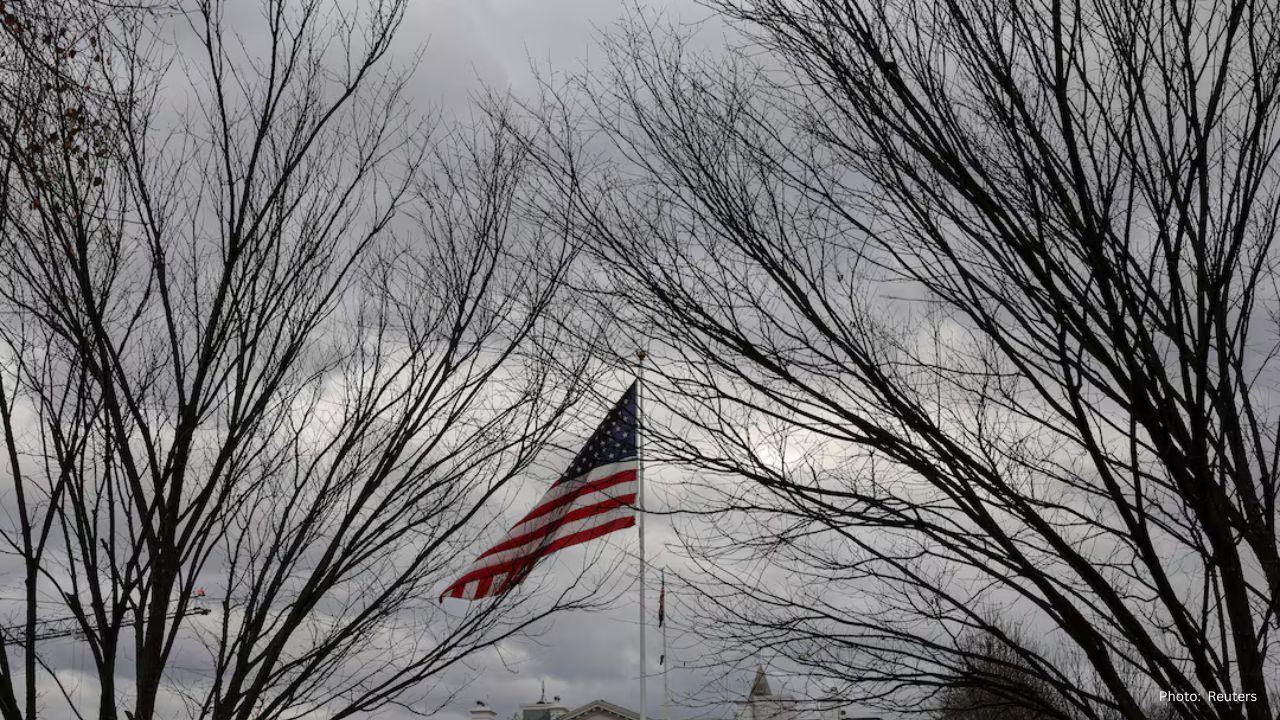
The White House has instructed the U.S. military to focus almost entirely on enforcing a strict restriction on Venezuelan oil shipments for at least the next two months. This move shows that Washington is choosing economic pressure, rather than open military action, to push Venezuela’s government to make changes.
According to a U.S. official, military options are still available, but the main goal right now is to use sanctions and economic tools. By limiting Venezuela’s ability to sell oil, the United States hopes to reduce the money available to President Nicolas Maduro’s government and force it to agree to U.S. demands.
President Donald Trump has openly criticized Maduro and has privately urged him to leave power. Trump has said that Venezuela could face serious economic trouble by late January if it does not make major concessions. Oil is Venezuela’s most important source of income, so blocking exports could severely hurt the country’s economy.
In recent weeks, the U.S. Coast Guard has already intercepted two oil tankers in the Caribbean that were carrying Venezuelan crude. U.S. authorities are also preparing to seize another vessel that is under sanctions. These actions are part of a wider effort to enforce restrictions on Venezuelan oil movement.
The United States has also accused Venezuela of allowing drug trafficking into North America. Trump’s administration has taken aggressive steps at sea and has warned that stronger actions could follow. These measures have drawn criticism from several countries, which say such actions risk breaking international law.
Venezuela strongly rejects the U.S. position. Its ambassador to the United Nations has said that Venezuela is not a threat and that the real danger comes from U.S. government actions. Caracas argues that sanctions hurt ordinary people more than political leaders.
The U.S. military has a large presence in the Caribbean, with thousands of troops, warships, and aircraft stationed in the region. While some of these forces can help monitor and stop oil shipments, many are not designed for sanction enforcement. Still, their presence sends a strong signal of pressure.
Interestingly, U.S. officials are using the word “quarantine” instead of “blockade.” This choice of words is important because a blockade is often seen as an act of war. The term “quarantine” was famously used during the 1962 Cuban missile crisis to avoid direct conflict.
Overall, the White House’s strategy shows a clear shift toward using economic force to shape events in Venezuela. How effective this approach will be remains uncertain, but it has already raised tensions in the region and drawn global attention.


Mattel Revives Masters of the Universe Action Figures Ahead of Film Launch
Mattel is reintroducing Masters of the Universe figures in line with its upcoming film, tapping into
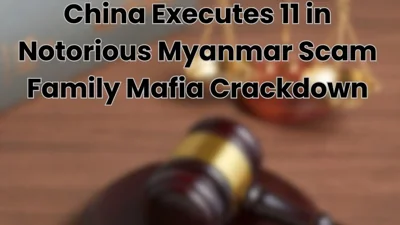
China Executes 11 Members of Criminal Clan Linked to Myanmar Scam
China has executed 11 criminals associated with the Ming family, known for major scams and human tra
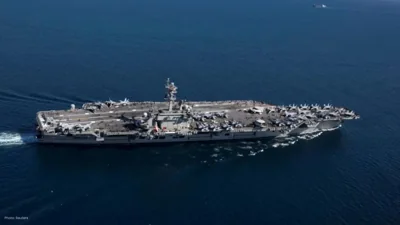
US Issues Alarm to Iran as Military Forces Deploy in Gulf Region
With a significant military presence in the Gulf, Trump urges Iran to negotiate a nuclear deal or fa

Copper Prices Reach Unprecedented Highs Amid Geopolitical Turmoil
Copper prices soar to all-time highs as geopolitical tensions and a weakening dollar boost investor

New Zealand Secures First Win Against India, Triumph by 50 Runs
New Zealand won the 4th T20I against India by 50 runs in Vizag. Despite Dube's impressive 65, India