Post by : Saif Nasser
The approval of new weight-loss pills in the United States is expected to bring big changes to the food industry in 2026 and beyond. Experts say these pills will make appetite-suppressing medicines easier and cheaper to use, which could affect what Americans buy at grocery stores and restaurants.
The U.S. Food and Drug Administration has approved a GLP-1 weight-loss pill made by Novo Nordisk. This pill works in a similar way to popular weight-loss injections, but it comes in tablet form. Many people prefer a pill over a shot, and the pill is also expected to cost less. Because of this, analysts believe many more Americans will begin using these medicines starting in January.
GLP-1 drugs help people feel full faster and reduce hunger. As a result, people often eat less and make different food choices. Studies show that users tend to cut back on snacks, sugary drinks, alcohol, and fast food. Instead, they look for foods with more protein and fiber, which help them stay full longer.
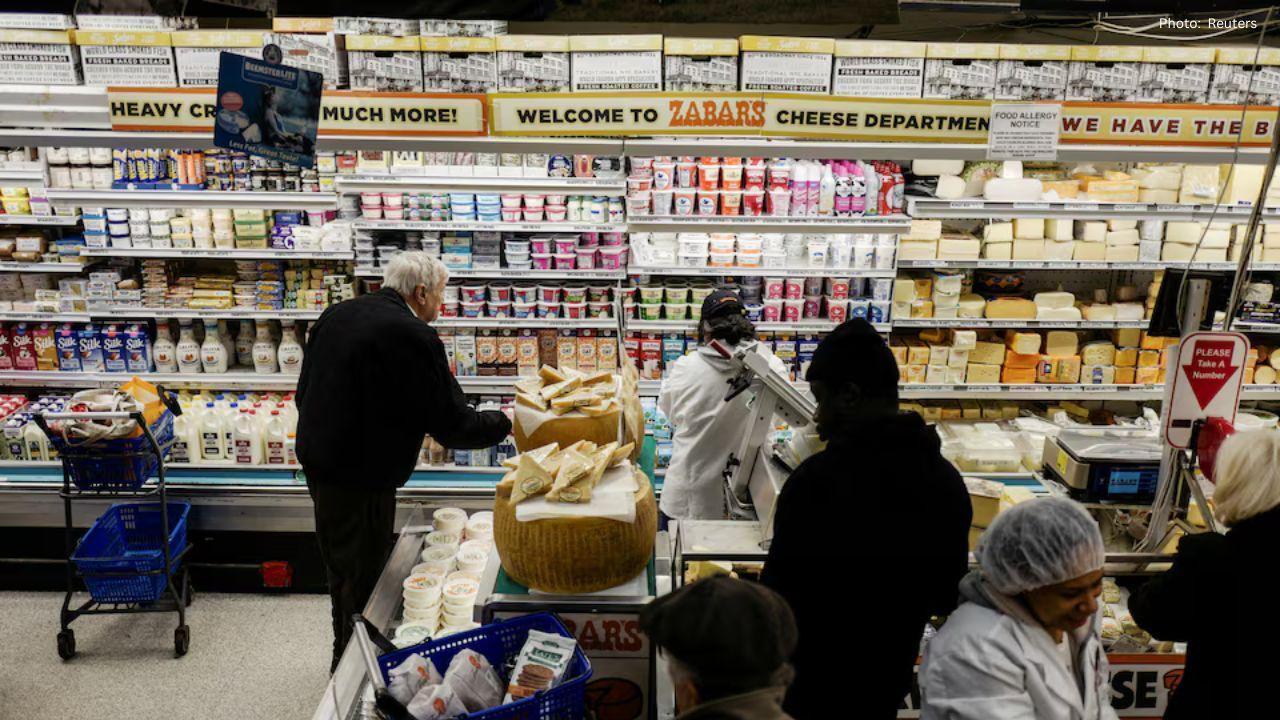
A recent study by Cornell University found that households using GLP-1 drugs spent about 5% less at grocery stores and nearly 8% less at fast-food restaurants. While spending returned to normal after people stopped using the medicine, researchers believe the new pill could change habits for longer because it is easier to take and more affordable.
Food companies are already reacting to this shift. Large packaged food makers are changing recipes, adjusting labels, and creating new products aimed at GLP-1 users. Many are highlighting high-protein content, smaller portion sizes, and simple ingredients.
Conagra Brands has started labeling some Healthy Choice frozen meals as “GLP-1 friendly,” focusing on protein and fiber. The company says these meals are selling faster than similar products. More GLP-1-friendly meals are planned, along with special promotions at major stores like Walmart and Kroger.
Other companies are seeing similar trends. Danone, which makes Oikos Greek yogurt, reports strong growth in its high-protein products. Nestlé has launched a new frozen meal line called Vital Pursuit, designed specifically for people using weight-loss drugs.
Restaurants are also making changes. Chipotle has added a “High Protein Menu” with smaller, protein-rich options like single servings of chicken or steak. Other restaurant chains are offering lighter meals and smaller portions at lower prices to match new eating habits.
About 40% of American adults are considered obese, and surveys show that around 12% already use GLP-1 drugs. With pill versions becoming available, experts expect that number to rise. This could lead to long-term changes in the food market.
Overall, the rise of weight-loss pills is not just a health story—it is also reshaping how food is made, sold, and eaten in the United States. Companies that adapt quickly may benefit, while those that ignore the shift could struggle to keep up with changing consumer needs.









Mattel Revives Masters of the Universe Action Figures Ahead of Film Launch
Mattel is reintroducing Masters of the Universe figures in line with its upcoming film, tapping into

China Executes 11 Members of Criminal Clan Linked to Myanmar Scam
China has executed 11 criminals associated with the Ming family, known for major scams and human tra

US Issues Alarm to Iran as Military Forces Deploy in Gulf Region
With a significant military presence in the Gulf, Trump urges Iran to negotiate a nuclear deal or fa

Copper Prices Reach Unprecedented Highs Amid Geopolitical Turmoil
Copper prices soar to all-time highs as geopolitical tensions and a weakening dollar boost investor

New Zealand Secures First Win Against India, Triumph by 50 Runs
New Zealand won the 4th T20I against India by 50 runs in Vizag. Despite Dube's impressive 65, India