Post by : Anees Nasser
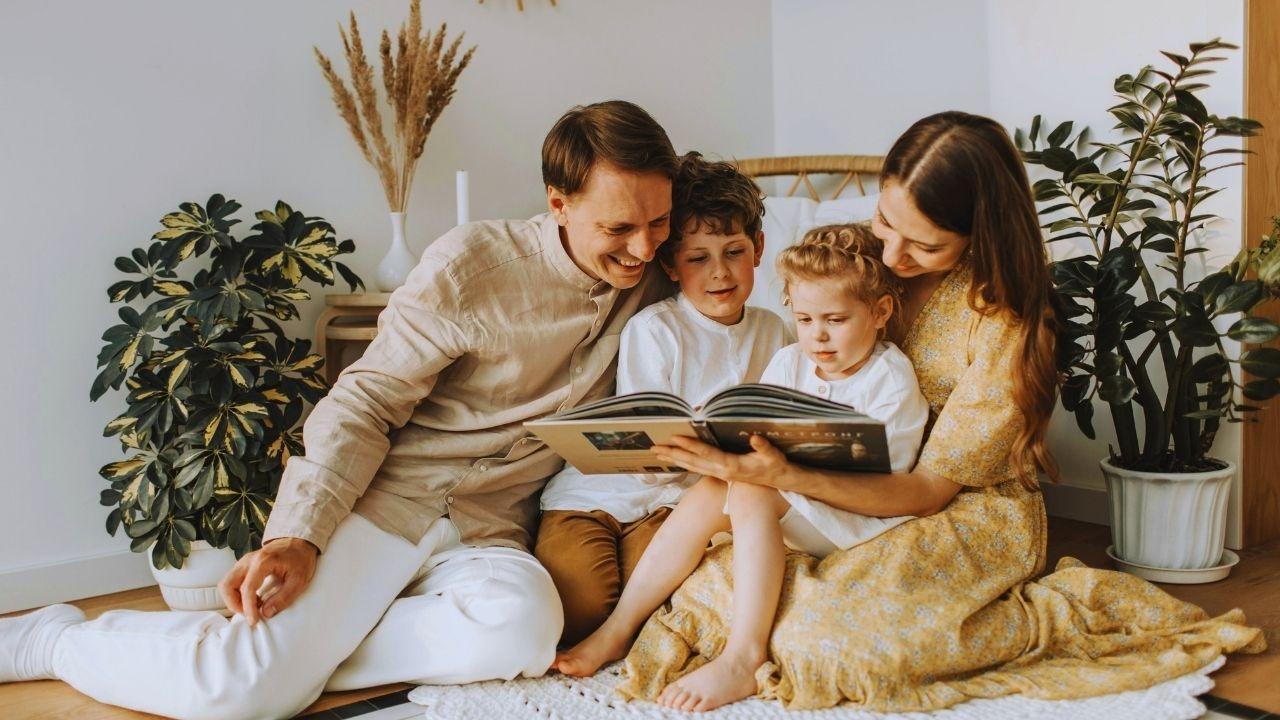
Weekends in 2025 are consistently being redesigned by families seeking greater balance and meaning. Traditional downtime tied to passive entertainment has given way to deliberately planned activities that prioritise wellbeing, skills, and social ties. This report examines the dominant weekend practices emerging this month, why they appeal, and considerations for households aiming to adopt them.
As blurred work-home boundaries persist, many households set explicit weekend rules to delimit professional demands. Families increasingly define clear no-work intervals or designated distraction-free windows so leisure time is preserved for rest and interpersonal connection. Employers in some regions are adapting policies to allow staff to align schedules with family routines, reducing burnout and improving overall productivity across the week.
Technology is being repurposed to support, rather than supplant, family time. Households use planning apps to coordinate outings, streaming tools for shared cultural experiences, and online tutorials to learn new skills together. The emphasis is on selective, goal-oriented use of devices that enhance activities while avoiding the erosion of face-to-face interaction.
Many families now schedule deliberate tech-free intervals ranging from a few hours to a full day. These segments are reserved for in-person games, outdoor play, and conversation, helping reduce distraction and deepen emotional connection. Parents report that children show improved creativity and attention during these intervals, while adults appreciate the restored presence and calmer household atmosphere.
Physical activity and mindfulness are central to contemporary weekend routines. Shared practices such as family yoga, cycling, or guided breathing exercises are common, often combined with gratitude reflections. Health experts note these habits lower stress and improve sleep, while instilling lifelong wellness habits in younger family members.
Volunteering and local civic participation have moved from occasional acts to recurring weekend commitments for many families. Activities like neighbourhood cleanups, charity drives, and support at community centres teach civic values and create social networks that reinforce a sense of belonging and purpose.
Rather than long, infrequent holidays, families are favouring short excursions to nearby parks, heritage sites, or urban cultural spots. These micro-trips provide variety without complex logistics, exposing children to local history and nature while delivering meaningful bonding experiences within a practical timeframe.
Cooking together has evolved into a structured shared activity where households experiment with international recipes, plant-forward menus, and themed evenings. These sessions combine culinary skill-building with cultural curiosity, turning meal preparation into a learning experience and a source of collective accomplishment.
Families are setting aside weekend hours for creative pursuits—arts, music, DIY projects, and coding workshops. These activities promote collaboration, problem-solving, and pride in producing tangible outcomes, while offering children constructive avenues for exploration beyond academic routines.
Multigenerational households are intentionally blending interests across ages through shared storytelling, gardening, and collaborative tasks. These practices help preserve family heritage, improve intergenerational communication, and create practical support systems for childcare and emotional well‑being.
Shared meals remain a central ritual but have diversified into themed breakfasts, brunches, and interactive cooking moments. Recognising weekly achievements at the table has become common, fostering gratitude and keeping children engaged through hands-on food preparation formats.
Consistent weekend patterns contribute to emotional stability and lower stress. Mental health professionals highlight that a mix of outdoor activity, creative engagement, and structured downtime acts as a protective routine against anxiety and burnout, allowing families to recharge more effectively.
Successful routines balance regularity with adaptability. Households adjust plans for weather, energy, or spontaneous opportunities while preserving the core goals of connection, learning and wellbeing. This flexible approach prevents rituals from becoming obligations and helps sustain long-term engagement.
The weekend practices emerging in 2025 reflect a strategic shift toward intentional leisure: controlled technology use, local exploration, collective cooking, creative learning, and civic participation. These patterns reshape family life by strengthening social bonds, promoting healthier habits, and cultivating practical skills. As families refine how they spend downtime, weekends are increasingly recognised as deliberate periods for renewal and skill-building rather than mere escape from work.
This article is provided for informational purposes and does not substitute for personalised advice. Family circumstances and cultural norms differ—readers should adapt ideas to their context and consult professionals when appropriate.









Anticipated Dates for UAE Eid Al Adha 2026 Unveiled by Astronomical Experts
Experts predict Eid Al Adha 2026 in the UAE to start on May 27, prompting early holiday planning amo

DAE Achieves Remarkable Growth in Q1 2026 With Record Revenue
Dubai Aerospace Enterprise announces impressive financial results for Q1 2026, reflecting a surge in

Price Increase for Sony PS5 in Southeast Asia Effective May 1
Sony announces a price increase for the PS5 across Southeast Asia starting May 1, 2026, impacting ga

Potential ‘Super El Niño’ in 2026: Understanding the Climate Risks
Could a Super El Niño emerge in 2026? Discover its implications and potential global climate impacts

Global Energy Crisis Intensifies: Markets React to Oil Supply Challenges
Markets are on edge as oil disruptions escalate, influencing prices and economic stability. Explore

Must-See Tourist Spots in London You Can't Overlook
Explore London's essential attractions, from royal landmarks to vibrant markets, ensuring an unforge




