Post by : Anees Nasser
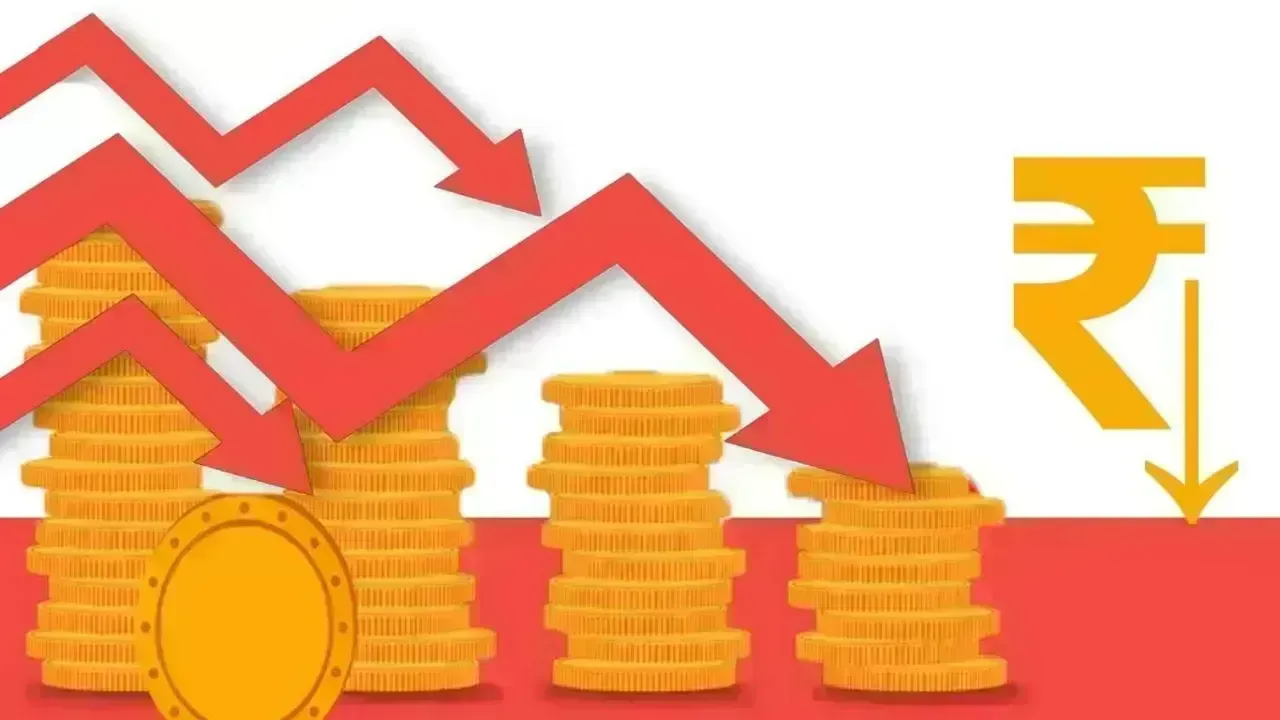
For many years, Indian families understood a straightforward principle: as the market climbs, so does their wealth. However, today, the atmosphere seems unusually turbulent. While equity indices are achieving record highs, the rupee continues its downward spiral, fueling discussions on import costs and foreign investment exits. For families, it often feels like confusing signals from the economy.
On one side, reports highlight robust stock market performance, increasing portfolios, and positive growth forecasts. Meanwhile, the declining rupee appears to signal economic trouble. Everyday essentials are becoming pricier, overseas travel is more expensive, and imports are eating into savings.
This disparity creates greater unease for everyday investors than overtly negative news. When faced with clear bad news, people generally tighten spending. Conversely, good news leads to relaxed budgets. Yet, mixed signals from the economy lead to a heightened sense of indecision, presenting the greatest risk of all.
Grasping the nuances of the present scenario — and recognizing that both a falling currency and rising markets can coexist — is vital for maintaining financial serenity. In reality, a depreciating currency and buoyant markets aren’t necessarily adversaries; at times, they reflect different chapters of the same financial narrative.
The rupee's depreciation does not stem from a singular issue. Rather, it is influenced by a multitude of factors, both global and domestic.
The US dollar stands as the world's most dominant currency. Amid times of global uncertainty, whether from interest rates, warfare, or economic anxieties, capital typically flows toward dollars, bolstering its strength against other currencies, including the rupee.
While Indian households may not feel the dollar’s impact directly, its strength can significantly influence everything from oil imports to electronics pricing.
When global investors grow apprehensive about emerging markets, they revert funds to more stable assets. Even with India’s enduring fundamental strength, foreign capital may flow out merely to rebalance international portfolios.
This exit amplifies demand for dollars, thereby intensifying pressure on the rupee.
India relies heavily on imports for daily necessities — fuel, machinery, chips, fertilizers, and raw materials. A weaker rupee means India incurs higher costs for these imports in dollar terms, raising domestic expenses and contributing to inflation.
The Reserve Bank of India is tasked with ensuring currency stability. However, it cannot manipulate the currency without repercussions. Too aggressive support for the rupee may deplete foreign reserves, while inaction may escalate inflation.
Thus, the central bank typically opts for gradual adjustments, mitigating extreme fluctuations — resulting in a weak, but not plummeting, rupee.
On the surface, it appears that currency and markets should move in tandem. However, in reality, they often respond to divergent triggers.
Indian corporate earnings are demonstrating resilience. Sectors like manufacturing, infrastructure, banking, technology, and consumption continue to expand. Even if the rupee declines, corporate profitability remains robust.
For stock markets, earnings growth tends to supersede currency fluctuations.
India is increasingly less reliant on foreign capital to sustain its markets. Millions of individuals from the middle class are investing regularly through systematic investment plans and digital platforms. This consistent inflow helps cushion the impact of foreign exits.
Indian capital is reinforcing Indian markets.
As the rupee weakens, Indian exporters earn more rupees for the same amount of dollars. IT firms, pharmaceutical exporters, specialty manufacturers, and engineering companies see direct advantages.
Their profits increase when the currency depreciates — often driving their stock prices even higher.
With global interest rate hikes nearing their peak, investors are flocking to equities in anticipation of future growth. Markets are buoyed not just by current economic conditions, but also by optimism for the future.
The juxtaposition of rising markets and a dropping currency generates confusion among households. However, understanding the repercussions can facilitate calm.
A depreciating currency may propel inflation, making imported goods more expensive. Over time, this diminishes the real purchasing power of savings.
While fixed deposits may seem secure, their value can shrink in real terms if inflation outpaces interest rates.
Any item with foreign components will become pricier: ranging from phones and laptops to medicines and travel tickets.
Families are likely to feel this pressure in areas such as international school fees, medical tourism, fuel purchases, and online subscriptions.
Studying overseas will become considerably pricer. Tuition, accommodation, and daily budgets will increase in rupee terms.
Traveling abroad will also take a larger bite out of savings.
Sectors driven by exports often thrive in cycles of currency devaluation, while import-heavy industries face rising costs.
Workers in technology, pharmaceuticals, and manufacturing are likely to experience better salary stability compared to those in domestic sectors burdened by extra expenses.
Currency news can incite fear, while stock market news often inspires greed. Acting on either impulse can lead to significant losses.
Success in the market demands discipline over reaction.
Consistent investment eliminates the pitfalls of timing errors. Higher market prices lead to smaller accumulations, while downturns attract greater investments.
Attempting to outsmart currency fluctuations usually backfires.
Focusing wealth in a single asset class invites volatility. Diversification is essential for long-term peace of mind.
A balanced portfolio across equities, debt, gold, and liquid assets can safeguard your investments.
Rising costs necessitate larger cash reserves. If inflation is on the rise, emergency funds should be proportionately adjusted.
What covered three months of expenses last year may fall short now.
Traditionally, gold has served as a hedge against uncertainty in India. A declining rupee enhances gold's domestic value.
Households possessing gold gain a protective advantage as currency weakens — it may not generate wealth, but rather safeguard it.
Cycles of currency weakness are recurrent. Markets will eventually correct, and economies will reform.
Historical trends reveal that patience in investing more often yields greater rewards compared to reacting in fear.
Those who remain invested during currency crises typically see the most significant growth.
Conversely, those who are quick to panic suffer more from emotional distress than from financial loss.
Capital movements are temporary.
Domestic demand currently propels India’s economy more than foreign investments.
Even when foreign institutional investors sell, domestic entities can absorb the impact.
Wealth accrues from business earnings, not from daily market fluctuations.
For those with overseas loans or educational debts, a weakening rupee can complicate matters.
It may be prudent to:
Make prepayments when possible
Secure exchange rates
Steer clear of accumulating foreign debt in periods of rupee uncertainty
Local loans remain largely unscathed.
Worldwide, central banks strategically manage interest rates to foster stability in inflation and growth.
The US Federal Reserve has a significant hand in influencing currency flows. Tightening of policies strengthens the dollar, while loosening provides breathing room for emerging markets.
This slow tug-of-war affects both the rupee and market trends.
Investors typically don’t lose money due to market declines.
They lose out when emotions compel them to sell in downturns.
The currency may shift today; the market may change tomorrow.
Yet, panic can exacerbate both.
Maintaining composure leads to profits.
India's economic fundamentals are robust:
Demographically young workforce
Investments in infrastructure
Increasing digital adoption
Growth in manufacturing
Consumption driving momentum
Short-lived currency fluctuations do not overshadow long-term advancements.
Wealth accumulates over decades, not defined by fleeting news cycles.
The subtle inflation from imports can add up. Cut down on unnecessary international expenditures.
Small adjustments can secure long-term stability.
If there’s a need for foreign education or travel, prepare in advance.
The rupee rarely appreciates abruptly.
Healthcare costs tend to rise faster than typical lifestyle inflation.
Insurance offers more security than mere portfolio management during turbulent times.
Panic can erode wealth quicker than inflation could.
Those who maintain steadiness amid uncertainty are the ones to reap the returns.
Every economic landscape undergoes cycles.
Those who endure through cycles ultimately emerge more prosperous.
A falling rupee contrasted with a rising stock market is not an anomaly.
These are narratives from distinct segments of the financial landscape.
One is influenced by global phenomena, while the other is a reflection of domestic strength.
For everyday families, the cornerstone is maintaining emotional discipline.
Persist in your investments.
Diversify your portfolio.
Exhibit patience.
Markets tend to reward those who remain steady amid uncertainty more than those who chase fleeting clarity.
Wealth often grows silently while debates rage on loudly.
Disclaimer:
This article serves informational purposes only and does not provide financial consultation. Market conditions and currency depreciation carry inherent risks. Readers are advised to consult certified financial experts prior to making any investments. The content reflects general trends and principles rather than tailored advice.










Anticipated Dates for UAE Eid Al Adha 2026 Unveiled by Astronomical Experts
Experts predict Eid Al Adha 2026 in the UAE to start on May 27, prompting early holiday planning amo

DAE Achieves Remarkable Growth in Q1 2026 With Record Revenue
Dubai Aerospace Enterprise announces impressive financial results for Q1 2026, reflecting a surge in

Price Increase for Sony PS5 in Southeast Asia Effective May 1
Sony announces a price increase for the PS5 across Southeast Asia starting May 1, 2026, impacting ga

Potential ‘Super El Niño’ in 2026: Understanding the Climate Risks
Could a Super El Niño emerge in 2026? Discover its implications and potential global climate impacts

Global Energy Crisis Intensifies: Markets React to Oil Supply Challenges
Markets are on edge as oil disruptions escalate, influencing prices and economic stability. Explore

Must-See Tourist Spots in London You Can't Overlook
Explore London's essential attractions, from royal landmarks to vibrant markets, ensuring an unforge




