Post by : Priya
Photo:Reuters
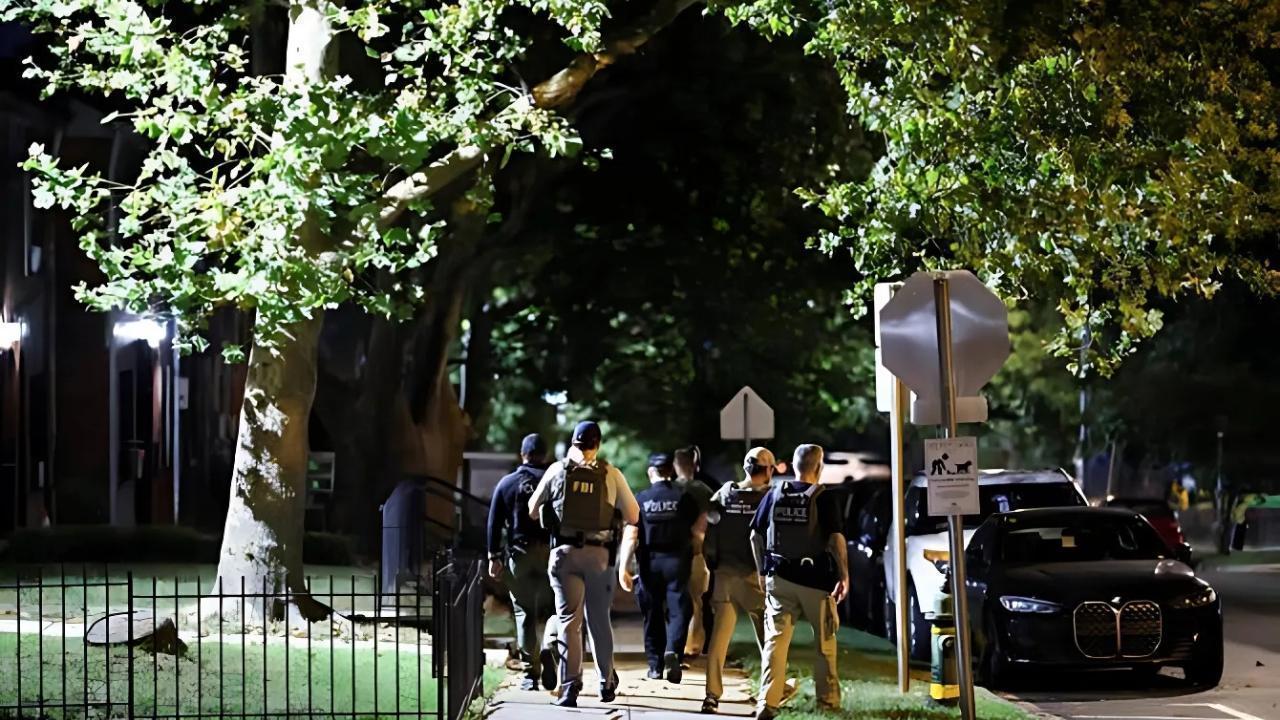
Washington, D.C., the seat of America’s government and a city with a complex history of law enforcement and community relations, is now the stage for an unprecedented and highly controversial security measure. Federal agents will patrol the city streets 24 hours a day, 7 days a week. This move comes just days after President Donald Trump announced a temporary takeover of the city’s police force, citing an emergency crime situation. The decision has sparked protests, debates, and confusion, dividing city residents, local officials, and the nation on how best to ensure public safety while respecting community rights.
Why the Federal Takeover?
President Trump declared that crime in Washington, D.C. was at an emergency level, justifying a federal takeover of local policing for at least 30 days — a move authorized under federal law that is unique to the capital city. The administration deployed National Guard troops and hundreds of federal law enforcement officers across the city with the mission to reduce crime and restore order. This announcement came alongside plans to extend this control long-term with approval from Congress.
Local city leaders, including Democratic Mayor Muriel Bowser and Police Chief Pamela Smith, responded cautiously. They acknowledged the increase in law enforcement presence might help public safety but pointed to statistics showing violent crime had dropped to a 30-year low, after a rise two years prior. The mayor described the President’s intervention as “unsettling and unprecedented,” highlighting the tension between federal authority and local governance in the District.
The Nature of Patrols and Law Enforcement Actions
The surge includes more than a thousand federal officers and city police, accompanied by National Guard members, patrolling more frequently and in greater numbers than ever before. Unlike previous operations limited mostly to night shifts, the patrols now operate around the clock.
On recent nights, federal teams arrested dozens of individuals suspected of various offenses — ranging from unlawful entry and assault warrants to traffic violations, and seizures of illegal firearms. The increased law enforcement activity has been visible in neighborhoods across the city, particularly in areas known for nightlife or incidents of past criminal activity. Officers have been setting up checkpoints, searching vehicles, and exercising military-style enforcement tactics which some residents say feel intimidating and excessive.
Community Response: Protests and Public Sentiments
The federal presence has stirred significant unrest among D.C. residents. In several neighborhoods, notably along busy 14th Street Northwest, residents gathered to protest what they call a heavy-handed and “authoritarian” police takeover. Chanting slogans like “Go home, fascists,” protesters voiced fears about the militarization of their city and the potential for civil rights abuses by heavily armed officers unfamiliar with local communities.
For many residents, the increased patrols feel like an invasion rather than protection. They express concern about the impact on community trust and whether such measures genuinely improve safety or instead worsen the relationship between law enforcement and citizens. Critics argue that focusing on visible policing and arrests for minor offenses does little to address the root causes of crime such as poverty, inequality, and lack of social services.
Perspectives from Local Officials and Law Enforcement
City officials find themselves balancing public safety with civil liberties. Mayor Bowser called the federal move “an authoritarian push” but simultaneously acknowledged the need to “take more guns off the street.” Police Chief Pamela Smith noted the city’s police force is understaffed by nearly 800 officers, meaning federal support fills essential gaps in manpower.
Federal law enforcement leaders emphasize their commitment to upholding the law within the bounds of legality and highlight their efforts to combat violent crime. They assert the operation targets serious infractions and aims to create a safer environment, especially given the city’s historic challenges with gun violence and drug trafficking.
Legal and Political Implications
Washington, D.C.’s unique status as a federal district means the President has broader authority over its affairs than in other U.S. cities. This legal nuance permits a federal takeover that would be impossible elsewhere without state or local consent.
Nonetheless, the move has drawn sharp criticism from Democrats in Congress who view it as an overreach and an attempt to impose political control over a predominantly Democratic city. Any effort to extend federal control beyond the initial 30 days requires Congressional approval, setting the stage for a political battle that underscores the city’s symbolic and strategic importance.
Crime Trends and National Debates on Policing
Although the Trump administration cited an “emergency” crime situation, data from various crime-monitoring organizations suggests violent crime in the nation’s capital is near historic lows. The sharp rise two years ago, linked partially to national social upheavals and the COVID-19 pandemic, has since receded.
This discrepancy between political rhetoric and data reflects broader national debates about policing, public safety, and the role of federal agencies in cities. Across America, many cities grapple with finding the right balance between enforcement and community engagement, while managing tensions around systemic inequalities, police reform demands, and gun violence prevention.








Anticipated Dates for UAE Eid Al Adha 2026 Unveiled by Astronomical Experts
Experts predict Eid Al Adha 2026 in the UAE to start on May 27, prompting early holiday planning amo

DAE Achieves Remarkable Growth in Q1 2026 With Record Revenue
Dubai Aerospace Enterprise announces impressive financial results for Q1 2026, reflecting a surge in

Price Increase for Sony PS5 in Southeast Asia Effective May 1
Sony announces a price increase for the PS5 across Southeast Asia starting May 1, 2026, impacting ga

Potential ‘Super El Niño’ in 2026: Understanding the Climate Risks
Could a Super El Niño emerge in 2026? Discover its implications and potential global climate impacts

Global Energy Crisis Intensifies: Markets React to Oil Supply Challenges
Markets are on edge as oil disruptions escalate, influencing prices and economic stability. Explore

Must-See Tourist Spots in London You Can't Overlook
Explore London's essential attractions, from royal landmarks to vibrant markets, ensuring an unforge




