Post by : Saif Nasser
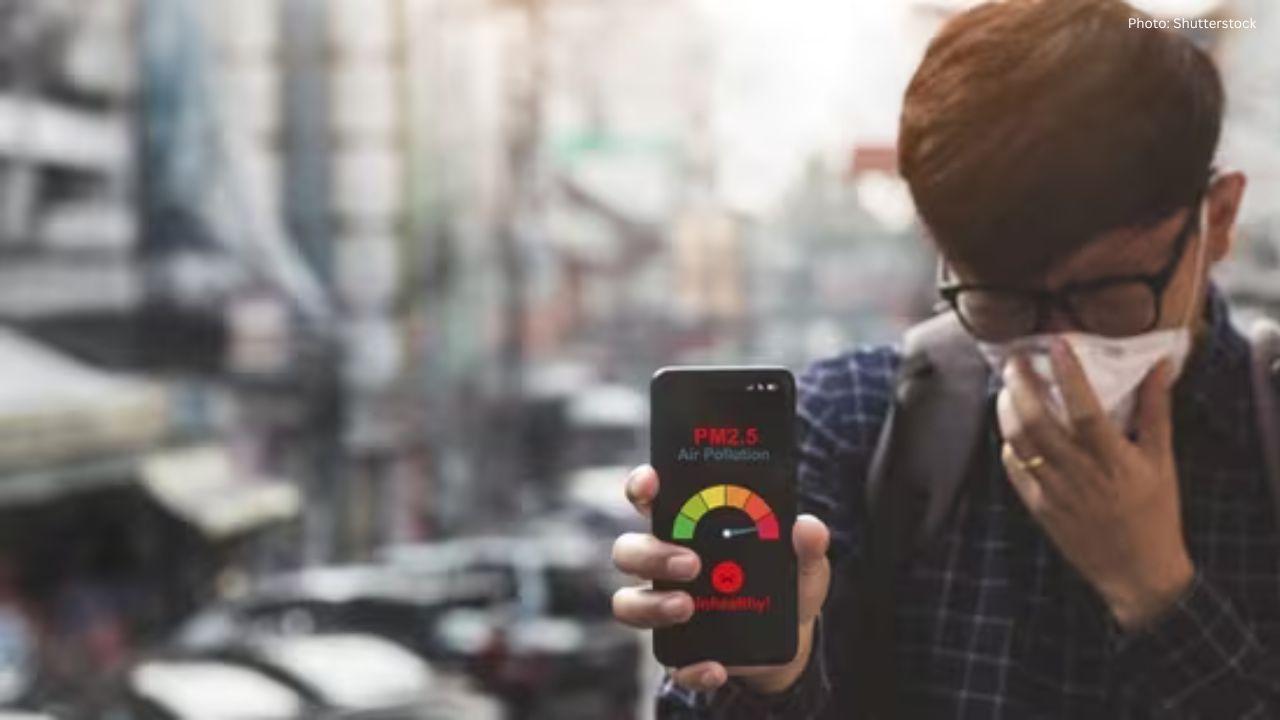
India is already struggling with “very poor” air quality this winter, and now a new problem has entered the picture. Volcanic ash from Ethiopia’s Hayli Gubbi eruption has travelled across regions and reached Indian airspace. This ash contains extremely fine particles and sulphur dioxide, which can make breathing problems worse for people across cities.
Doctors say the air was already polluted with high levels of PM2.5, and the mix of volcanic ash with this pollution may increase irritation, coughing, and breathlessness, even in people who normally do not have respiratory issues.
Why volcanic ash makes the air more dangerous
According to Dr Swapnil Mehta, Senior Consultant in Pulmonology at Dr L H Hiranandani Hospital in Mumbai, volcanic ash has sharp, uneven particles. When these particles combine with urban pollution, they can enter deeper parts of the lungs and trigger stronger reactions.
He explains that this mixture can cause airway spasms, throat irritation, and high oxidative stress. For people with asthma and COPD, even short exposure may cause serious flare-ups. Children and older adults are also at higher risk because their lungs cannot handle sudden increases in pollution.
Symptoms people may notice in the next two days
Doctors expect that many people may feel some discomfort over the next 24–48 hours. Common symptoms include:
Persistent cough
Breathlessness or chest tightness
Wheezing
Burning or watering eyes
Sore throat
Sneezing or nasal irritation
Headache or unusual tiredness
If someone experiences difficulty in speaking full sentences or has severe breathlessness, they should seek medical help immediately.
Leftover particles can still cause harm
Even if the volcanic plume moves away today, the air may not clear immediately. Fine particles can stay suspended for 24–72 hours. Pollutants in India’s air can also combine with sulphur dioxide to form new harmful particles, which makes recovery slow.
Why vulnerable groups face higher danger
Children have smaller airways, older people have weaker lungs, and asthma patients react quickly to pollution changes. This means even small increases in pollutant levels can trigger strong responses. Doctors say that these groups should be extra cautious until the air becomes clearer.
Possible health problems that may rise
Doctors warn that the mixture of volcanic ash and pollution can trigger:
Asthma flare-ups
Acute bronchitis
Worsening of COPD
Higher risk of respiratory infections
Inflamed airways lose their natural protection, which makes it easier for viruses and bacteria to cause infections.
What precautions people should take today and tomorrow
Dr Mehta suggests that people follow these steps to stay safe:
Limit outdoor activity as much as possible.
Wear an N95 mask if stepping outside.
Keep windows closed, especially near busy roads.
Use indoor air purifiers with HEPA filters.
Continue inhalers and prescribed medicines without missing doses.
Stay hydrated and try steam inhalation or saline nasal rinses.
Children, elderly people, and asthma patients should avoid outdoor exercise completely.
He also reminds readers that this information is not a medical diagnosis and that people with serious symptoms should consult a doctor.





Price Increase for Sony PS5 in Southeast Asia Effective May 1
Sony announces a price increase for the PS5 across Southeast Asia starting May 1, 2026, impacting ga

Potential ‘Super El Niño’ in 2026: Understanding the Climate Risks
Could a Super El Niño emerge in 2026? Discover its implications and potential global climate impacts

Global Energy Crisis Intensifies: Markets React to Oil Supply Challenges
Markets are on edge as oil disruptions escalate, influencing prices and economic stability. Explore

Must-See Tourist Spots in London You Can't Overlook
Explore London's essential attractions, from royal landmarks to vibrant markets, ensuring an unforge

Ultimate Guide to Snagging Cheap Flights in 2026
Unlock the secrets to booking affordable flights in 2026 with insightful tips and strategies tailore

The Impact of Consistent Small Investments on Wealth Building
Discover how investing small amounts regularly can positively transform your financial future over t




